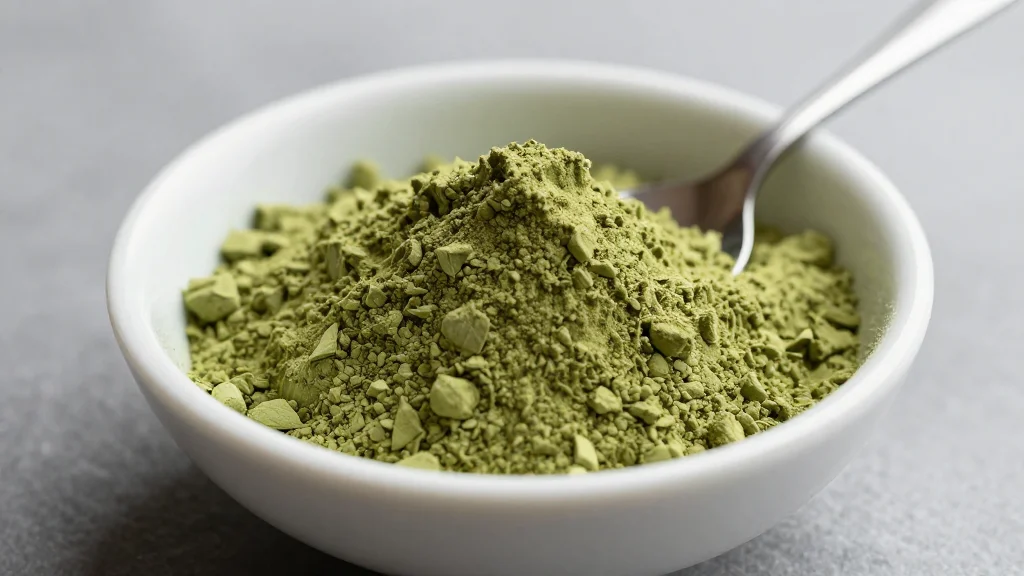
FDA Reopens Salmonella Probe Tied to Moringa Supplements After 22 New Cases

Why It Matters
The renewed investigation spotlights the vulnerability of the U.S. dietary supplement supply chain to microbial contamination, especially for imported botanical ingredients like moringa leaf powder. With 119 confirmed cases and likely many more undetected, the outbreak underscores the need for more rigorous testing and traceability standards. A failure to address these gaps could erode consumer confidence in a multi‑billion‑dollar supplement market and invite stricter regulatory oversight. Beyond immediate health risks, the episode may catalyze policy discussions about expanding FDA authority over supplements, improving import screening, and mandating clearer labeling of ingredient origins. Such changes could reshape industry practices, influencing everything from sourcing decisions to product formulation and marketing strategies.
Key Takeaways
- •FDA and CDC reopened the Salmonella outbreak probe on May 27 after 22 new illnesses were reported.
- •Total confirmed infections have risen to 119 across 36 states, with 32 hospitalizations.
- •70 of 79 interviewed patients reported consuming moringa leaf powder products, including Live it Up Super Greens and Why Not Natural capsules.
- •The outbreak traces to imported moringa leaf powder, prompting expanded traceback and product sampling.
- •No deaths reported, but CDC estimates many more undetected cases, highlighting the hidden burden of salmonellosis.
Pulse Analysis
The moringa outbreak illustrates a systemic weakness in the U.S. supplement regulatory regime: reliance on post‑market surveillance rather than proactive safety checks. Historically, the FDA has faced criticism for its limited pre‑market authority over dietary supplements, a gap that manufacturers have exploited to bring exotic botanicals to market with minimal oversight. This incident could serve as a catalyst for legislative change, similar to the 2018 Dietary Supplement Health and Education Act (DSHEA) amendments that tightened Good Manufacturing Practices for high‑risk ingredients.
From a market perspective, the recall risk associated with moringa could dampen demand for other botanical powders, at least temporarily, as retailers and consumers become more cautious. Companies may respond by investing in third‑party testing, blockchain‑based traceability, or shifting to domestically sourced ingredients to mitigate import‑related risks. Such moves could increase costs but also create a competitive advantage for brands that can credibly certify safety.
Looking ahead, the FDA's ability to quickly identify and isolate the contamination source will be a litmus test for its evolving role in supplement safety. If the agency can demonstrate effective supply‑chain oversight, it may bolster public trust and stave off calls for sweeping regulatory overhaul. Conversely, prolonged uncertainty could fuel consumer backlash, prompting retailers to pull moringa products preemptively and potentially reshaping the supplement aisle for years to come.
FDA Reopens Salmonella Probe Tied to Moringa Supplements After 22 New Cases
Comments
Want to join the conversation?
Loading comments...