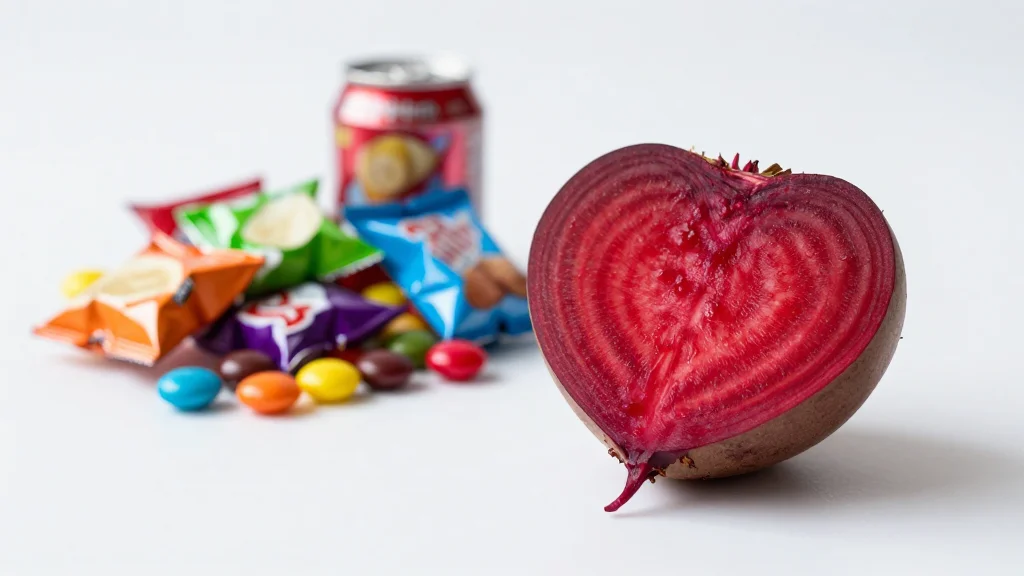
French Cohort Study Links Preservative Additives to 16% Higher Cardiovascular Risk

Why It Matters
The study underscores a previously under‑appreciated pathway through which modern diets may contribute to cardiovascular disease, shifting focus from macronutrient excesses to the chemical composition of processed foods. By isolating the impact of specific preservatives, the research provides a concrete target for public‑health interventions, regulatory frameworks, and consumer education. If policymakers act on these findings, the resulting changes could reduce the prevalence of hypertension and heart disease, conditions that collectively account for a substantial share of global morbidity and health‑care costs. Beyond immediate health outcomes, the work challenges the food industry to innovate safer preservation technologies and may catalyze a broader movement toward transparency in ingredient labeling. Such shifts could reshape supply chains, influence product development, and ultimately empower consumers to make choices that align with long‑term cardiovascular health.
Key Takeaways
- •Highest preservative consumers faced a 16% higher risk of cardiovascular disease.
- •Coronary heart disease risk rose 26% among top preservative intake group.
- •High overall preservative intake linked to a 24% increase in hypertension.
- •99.5% of study participants consumed at least one preservative additive.
- •Study tracked 58 individual additives using brand‑specific food records over 15 years.
Pulse Analysis
The NutriNet‑Santé findings arrive at a moment when the nutrition field is grappling with the limits of the ultra‑processed food paradigm. Historically, policy has targeted macronutrients—sugar, sodium, saturated fat—as the primary culprits behind diet‑related disease. This study, however, demonstrates that the chemical additives used to extend shelf life may be equally consequential. The granular methodology—brand‑level tracking of 58 preservatives—sets a new benchmark for dietary epidemiology, allowing researchers to move beyond the blunt instrument of "processed vs. whole" and toward a nuanced understanding of ingredient‑level risk.
From a market perspective, the data could accelerate a shift already underway toward “clean label” products. Brands that have invested in natural preservation methods may gain a competitive edge, while legacy manufacturers could face pressure to reformulate or risk losing shelf space to additive‑free alternatives. Regulatory bodies in the EU, which already enforce stricter additive approvals than the U.S., may use this evidence to tighten permissible limits or require clearer front‑of‑pack disclosures. In the United States, where additive regulation is less stringent, the study could fuel advocacy for the Food and Drug Administration to revisit its risk assessment framework.
Looking ahead, the study’s implications extend beyond cardiovascular health. If subsequent analyses confirm links between preservatives and other chronic conditions, the public‑health narrative could pivot toward a broader “additive burden” concept, analogous to the current focus on sugar taxes. Such a paradigm shift would demand coordinated action across research, policy, industry, and consumer education—a complex but potentially transformative pathway to healthier diets.
French Cohort Study Links Preservative Additives to 16% Higher Cardiovascular Risk
Comments
Want to join the conversation?
Loading comments...