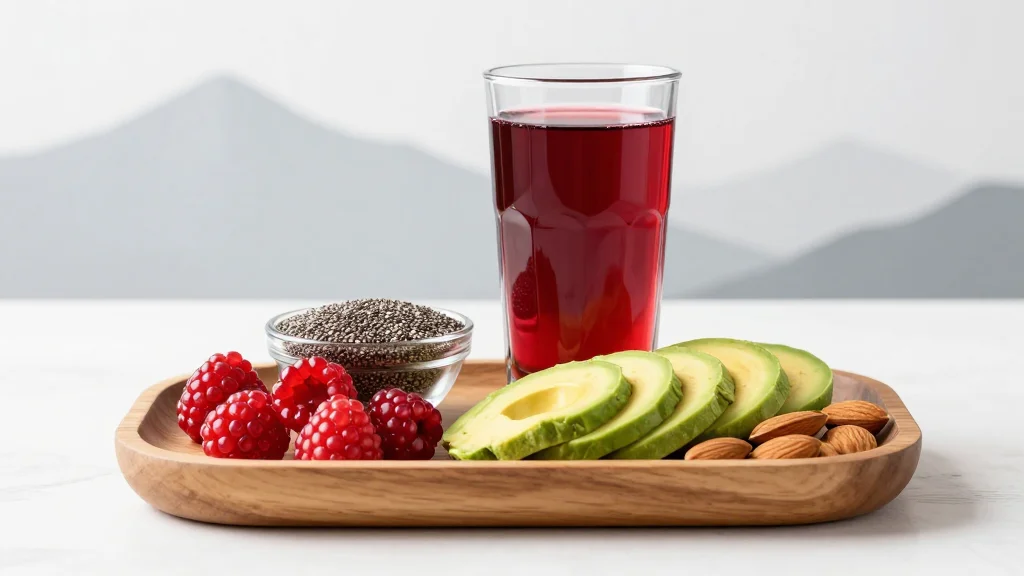
Functional Foods and Their Potential Impact on Women’s Health in Chile
Why It Matters
Functional foods offer a culturally relevant, cost‑effective tool to reduce Chile’s leading diet‑related mortality and the economic strain of chronic disease on its aging female population.
Key Takeaways
- •Chilean women obesity rate 33.9%, higher than men.
- •Diet accounts for 40% of deaths in Chile (2019).
- •Functional foods can lower obesity, diabetes, hypertension risk.
- •National policies promote nutrition security and chronic disease prevention.
- •Local bioactive foods boost health outcomes and regional economies.
Pulse Analysis
Chile faces a stark public‑health paradox: while its life expectancy climbs, diet‑related risk factors dominate mortality, especially among women. In 2019, unhealthy eating contributed to 40% of all deaths, and more than three‑quarters of Chilean adults were overweight or obese. Women bear a disproportionate share, with obesity rates nearing 34% and rising sharply in the 25‑44 age bracket, a demographic critical for workforce participation and future generations. These trends underscore the urgency of interventions that go beyond calorie counting to address the biochemical quality of the food supply.
Functional foods—items naturally rich in antioxidants, pre‑biotics, and other bioactive compounds—present a promising avenue. Chile’s diverse terroir yields endemic products such as maqui berries, quinoa, and seaweed, each studied for anti‑inflammatory and metabolic benefits. Incorporating these foods into daily meals can modulate gut microbiota, improve insulin sensitivity, and lower blood pressure, thereby tackling the root causes of obesity, diabetes, and hypertension. Moreover, the neuroprotective and anti‑tumor properties of these compounds align with the nation’s goal to curb cardiovascular disease and cancer, which together account for nearly half of all deaths.
Policy alignment amplifies impact. The 2018 National Food and Nutrition Policy and the 2020‑2030 Health Strategy explicitly call for culturally appropriate nutrition security, creating a framework for scaling functional‑food initiatives. Public‑private partnerships can channel research into product development, while school‑based programs and community outreach can shift consumer habits. By embedding functional foods into national dietary guidelines, Chile not only addresses immediate health risks but also stimulates local agriculture and food‑tech sectors, fostering economic resilience alongside improved women's health across the life course.
Functional foods and their potential impact on women’s health in Chile
Comments
Want to join the conversation?
Loading comments...