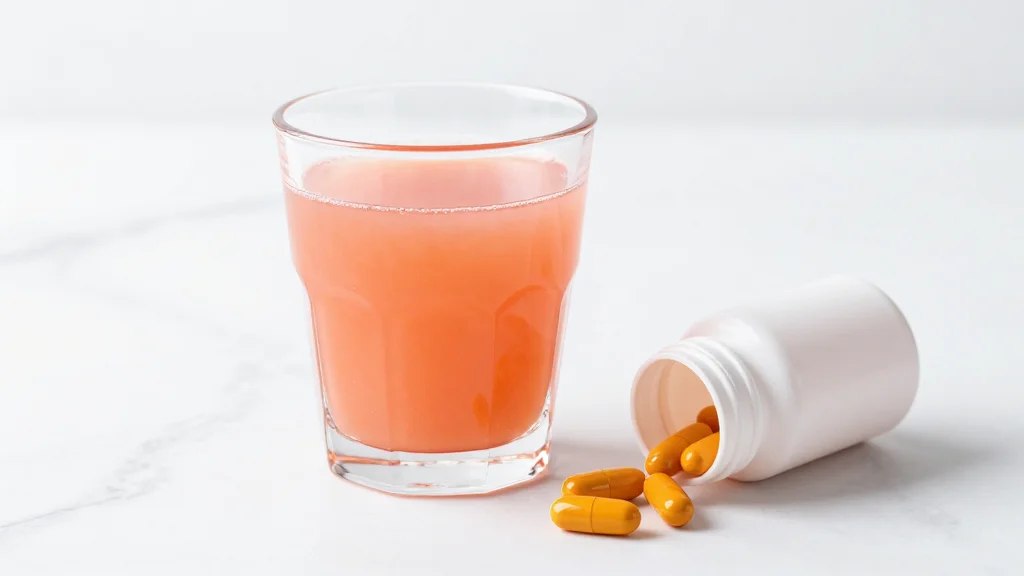
Guava Juice Boosts Iron Supplement Efficacy, Cutting Anemia Risk

Why It Matters
Anemia affects an estimated 500 million women of reproductive age worldwide, undermining health, education, and economic productivity. If guava juice can reliably boost iron absorption, it offers a scalable, food‑based solution that aligns with global nutrition agendas and reduces reliance on pharmaceutical interventions alone. Moreover, the approach leverages existing agricultural supply chains, supporting local farmers while addressing a critical micronutrient gap. Beyond immediate health gains, the strategy could reshape how nutrition programs design dietary counseling, emphasizing synergistic food‑nutrient pairings. Demonstrating measurable hemoglobin improvements through a simple beverage may also inspire similar investigations into other vitamin‑C‑rich fruits, broadening the toolkit for anemia prevention.
Key Takeaways
- •Review of 17 studies finds guava juice + iron supplements raises hemoglobin 1.29 g/dL vs iron alone
- •Average hemoglobin increase of 1.71 g/dL observed across 235 participants
- •Teenage girls gain 1.52 g/dL; pregnant women gain 1.84 g/dL
- •Guava contains up to four times more vitamin C per 100 g than oranges, enhancing iron absorption
- •All studies conducted in Indonesia; larger randomized trials needed for global validation
Pulse Analysis
The guava‑iron synergy taps into a well‑established nutritional principle—vitamin C markedly improves non‑heme iron uptake—but translates it into a public‑health intervention that is both affordable and culturally resonant. Historically, anemia‑control programs have leaned on iron fortification of staple foods or high‑dose supplementation, strategies that encounter compliance hurdles and supply‑chain complexities. By introducing a fruit that is already part of regional diets, the proposed model sidesteps many of those barriers.
From a market perspective, the findings could stimulate demand for guava‑based products, prompting agribusinesses to develop fortified juices or dried guava powders tailored for maternal and adolescent nutrition programs. This could create a modest but meaningful niche within the broader functional‑food sector, especially if multinational NGOs and governments endorse the approach. However, the current evidence base is geographically narrow; scaling the solution will require rigorous trials in diverse settings to address variations in guava species, preparation methods, and baseline dietary patterns.
Looking ahead, the integration of guava juice into existing nutrition platforms could serve as a pilot for food‑first strategies that complement micronutrient supplementation. Success would reinforce the case for leveraging locally sourced, nutrient‑dense foods to amplify the impact of conventional interventions, a paradigm that could be replicated for other deficiencies such as vitamin A or iodine.
Guava Juice Boosts Iron Supplement Efficacy, Cutting Anemia Risk
Comments
Want to join the conversation?
Loading comments...