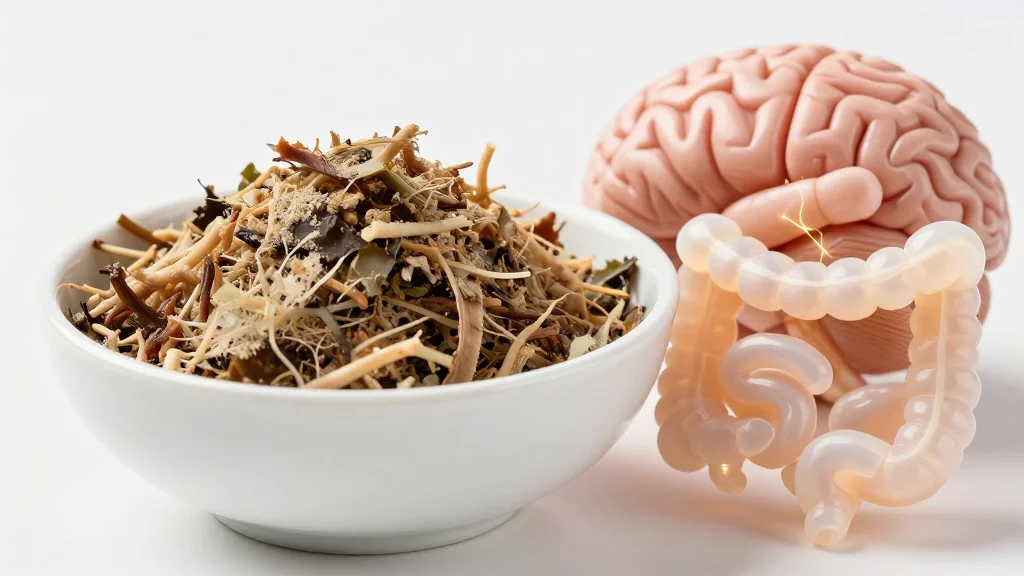
Gut-Brain Health Effects of PREbiotics in Older Adults with Suspected COgnitive DEcline: Design of the PRECODE Randomised Placebo-Controlled Trial
Why It Matters
Demonstrating that targeted prebiotic supplementation improves brain function could shift Alzheimer’s prevention toward evidence‑based dietary interventions, addressing a critical gap in early‑stage therapeutic options.
Key Takeaways
- •164 participants aged 60‑79 with subjective cognitive decline
- •Four‑arm trial tests three prebiotic fibers versus maltodextrin
- •Primary endpoint: working‑memory BOLD fMRI activation
- •Secondary measures: neuropsych tests, gut barrier, metabolites
- •Results could shape preventive nutrition for preclinical Alzheimer’s
Pulse Analysis
The global surge in life expectancy has outpaced health span, driving a projected three‑fold increase in dementia cases by 2050. With disease‑modifying drugs still elusive, the scientific community is turning to modifiable risk factors, and the microbiota‑gut‑brain axis (MGBA) has emerged as a promising target. Dietary fibers that act as prebiotics can reshape gut microbial communities, boost short‑chain fatty acid and indole production, and consequently influence neuroinflammation, blood‑brain barrier integrity, and synaptic plasticity. Early‑stage cognitive decline, captured by subjective cognitive decline (SCD+), offers a window where such interventions may alter the trajectory toward Alzheimer’s disease.
PRECODE is a rigorously powered, four‑arm, double‑blind, placebo‑controlled trial enrolling 164 adults aged 60‑79 who exhibit SCD+ and additional LIBRA lifestyle risk factors. Participants receive 26 weeks of supplementation with chicory inulin, resistant dextrin, or seaweed β‑glucan polysaccharide, while a maltodextrin group serves as placebo. The primary outcome hinges on functional magnetic resonance imaging during a 2‑back working‑memory task, providing a sensitive biomarker of cortical activation. Secondary endpoints span a comprehensive neuropsychological battery, gut permeability assays, microbial sequencing, and circulating short‑chain fatty acid and indole concentrations, enabling a mechanistic readout of MGBA modulation.
If PRECODE demonstrates that targeted prebiotic supplementation can restore a healthier gut ecosystem and translate into measurable improvements in brain activation and cognition, it would validate nutrition‑based prevention as a viable strategy against preclinical Alzheimer’s. Such evidence could accelerate investment in functional‑food pipelines, inform clinical guidelines for at‑risk seniors, and encourage insurers to cover evidence‑backed dietary interventions. Moreover, the trial’s multimodal biomarker approach sets a new standard for evaluating gut‑brain therapeutics, paving the way for larger phase‑III studies and potentially reshaping public‑health policies aimed at extending health span in an aging population.
Gut-brain health effects of PREbiotics in older adults with suspected COgnitive DEcline: design of the PRECODE randomised placebo-controlled trial
Comments
Want to join the conversation?
Loading comments...