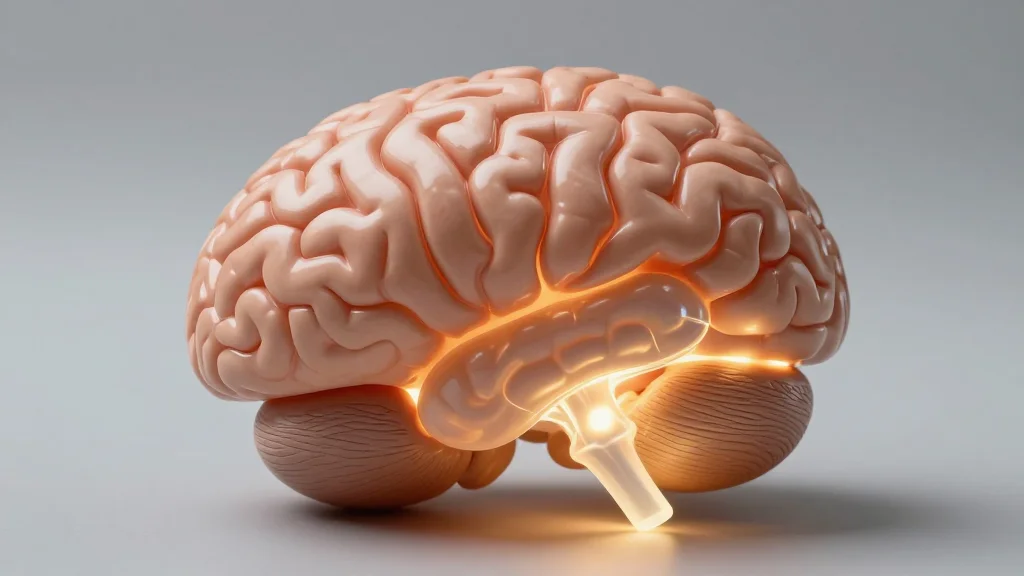
Gut‑Brain Signal Drives Protein Cravings, Study Finds

Why It Matters
Understanding how the gut directly communicates protein scarcity to the brain fills a long‑standing gap in nutrition science. By pinpointing CNMa as a molecular bridge between nutrient status and feeding behavior, the study provides a concrete target for developing appetite‑modulating drugs that could address obesity, malnutrition, and metabolic disorders. The link between gut microbes and the CNMa pathway also suggests that dietary interventions or probiotic formulations could amplify or dampen protein cravings, offering a non‑pharmacologic route to improve diet quality. As societies grapple with rising rates of nutrient‑imbalanced diets, insights into the biological drivers of food choice are essential for crafting effective public‑health strategies.
Key Takeaways
- •Protein deficiency triggers gut cells to release peptide CNMa
- •CNMa activates a fast neural circuit and a slower hormonal signal to the brain
- •Signal suppresses sugar‑sensing DH44 neurons, shifting preference to protein
- •Gut microbiota amplify CNMa‑driven protein cravings in flies
- •Mechanism conserved in mice, indicating relevance to mammals
Pulse Analysis
The discovery of a gut‑derived peptide that directly governs protein cravings marks a paradigm shift in nutrition research. Historically, appetite regulation has been framed around energy balance hormones like ghrelin and leptin. CNMa introduces a nutrient‑specific axis that operates on both rapid and sustained timescales, suggesting that the body maintains a fine‑grained surveillance of amino‑acid availability independent of caloric needs. This could explain why many individuals experience persistent cravings for protein‑rich foods even when overall caloric intake is adequate.
From a market perspective, the findings unlock a new class of therapeutic targets. Companies developing anti‑obesity drugs have largely focused on central nervous system pathways; a peripheral peptide that can be modulated through small molecules or biologics may offer a safer, more selective approach. Moreover, the microbiome connection hints at a dual‑strategy market where probiotic or prebiotic products are paired with CNMa‑modulating agents to achieve synergistic effects on dietary behavior.
Looking ahead, the translational challenge will be to confirm that CNMa or its human analogs function similarly in people. If human studies validate the pathway, we could see a wave of personalized nutrition platforms that monitor gut peptide levels and adjust dietary recommendations in real time. Such technology would dovetail with the growing trend of wearable health devices, positioning CNMa at the intersection of molecular nutrition and digital health. The next few years will determine whether this basic science breakthrough reshapes clinical practice or remains a fascinating insight into the gut‑brain dialogue.
Gut‑Brain Signal Drives Protein Cravings, Study Finds
Comments
Want to join the conversation?
Loading comments...