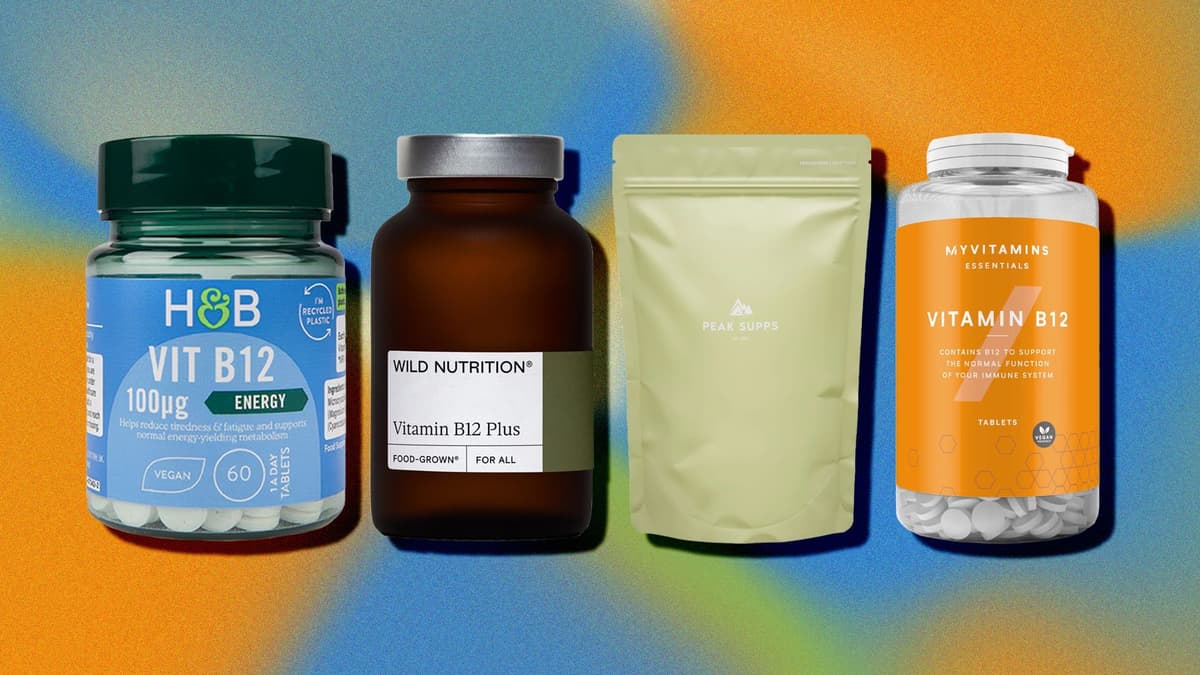
How to Know If You Have a Vitamin B12 Deficiency—And What to Do About It
Why It Matters
Undiagnosed B12 deficiency can lead to irreversible nerve damage and anemia, posing a growing public‑health challenge as the population ages and plant‑based diets rise.
Key Takeaways
- •Up to 10% of adults over 75 lack adequate B12
- •Symptoms include fatigue, neurological issues, and skin discoloration
- •Vegans, seniors, and certain medication users face higher risk
- •Animal products and fortified foods are primary B12 sources
- •Medical testing is essential for accurate diagnosis
Pulse Analysis
Vitamin B12’s biochemical role extends far beyond the occasional energy boost. It acts as a co‑factor in methylation cycles that produce myelin, the protective sheath around nerves, and in the synthesis of hemoglobin, the oxygen‑carrying component of blood. When levels dip, the cascade can trigger anemia, peripheral neuropathy, and cognitive decline—conditions that often masquerade as normal aging. Recent epidemiological surveys show that roughly 10% of Americans over 75 exhibit subclinical B12 deficiency, underscoring a silent but sizable burden on healthcare resources.
The deficiency’s prevalence is amplified among specific cohorts. Individuals with malabsorption disorders such as celiac disease or Crohn’s disease lack the intrinsic factor needed for B12 uptake in the ileum. Long‑term use of acid‑suppressing drugs or metformin interferes with gastric pH, further curbing absorption. Plant‑based eaters miss the natural animal‑derived source, relying instead on fortified products that may be inconsistently consumed. Consequently, clinicians are urged to incorporate serum B12 or methylmalonic acid testing into routine panels for seniors, vegans, and patients on high‑risk medications, enabling early intervention before irreversible nerve damage sets in.
Addressing a shortfall is straightforward when identified. Rich animal sources—liver, beef, fish, poultry, eggs, and dairy—deliver the most bioavailable B12. For vegans and those with limited animal intake, fortified cereals, plant milks, and nutritional yeast provide reliable alternatives, often delivering 100% of the daily value per serving. In cases of pronounced deficiency, oral high‑dose supplements or intramuscular injections are effective, with the latter reserved for absorption‑impaired patients. Health professionals should counsel patients on balanced intake, periodic testing, and the potential need for supplementation, turning a preventable condition into a manageable aspect of modern nutrition.
How to Know If You Have a Vitamin B12 Deficiency—and What to Do About It
Comments
Want to join the conversation?
Loading comments...