Improving the Protein Quality of New Zealand Vegan Diets: An Optimisation Modelling Approach Incorporating Energy Constraints and Diet Acceptability
Why It Matters
Improving protein quality without drastic diet changes supports vegan adherence and public‑health goals, yet micronutrient gaps underline the need for fortified foods or supplements.
Key Takeaways
- •90% of vegan diets achieved protein adequacy after optimisation
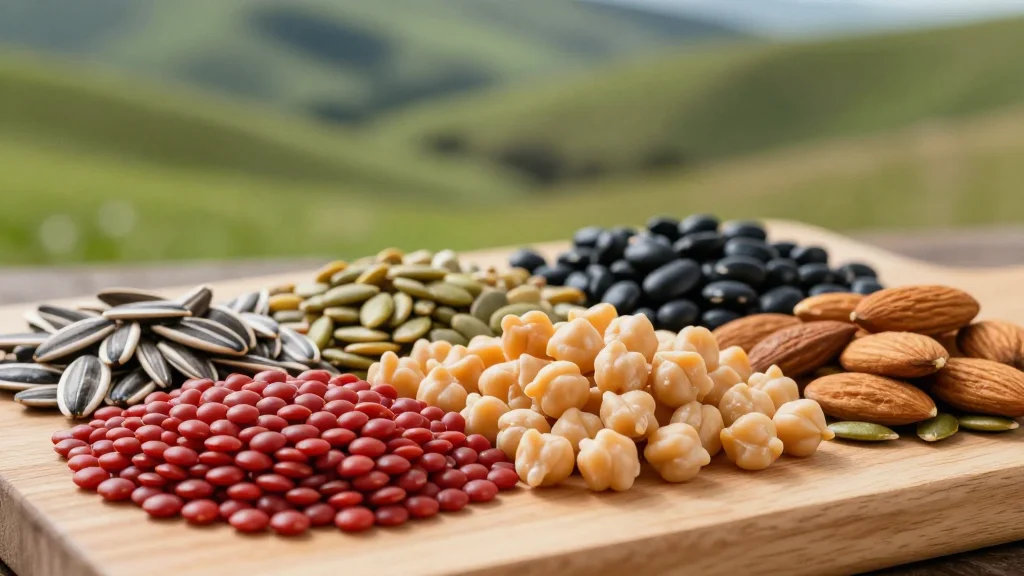
- •Legumes and pulses provided most protein with lowest energy cost
- •Nuts and seeds supplied methionine and leucine despite higher energy
- •Calcium, B12, iodine remained deficient, requiring supplementation
Pulse Analysis
The rise of plant‑based eating has spotlighted a persistent nutritional hurdle: delivering sufficient high‑quality protein from exclusively vegan sources. Unlike animal proteins, most plant foods contain lower concentrations of indispensable amino acids (IAAs) such as lysine, methionine and leucine, which are essential for muscle maintenance and metabolic health. When vegans rely heavily on energy‑dense staples—refined grains, starchy tubers, or sugary beverages—the protein‑to‑energy ratio can fall short of dietary reference values, especially for older adults or athletes. Addressing these gaps without compromising diet acceptability is a central challenge for nutrition scientists and policymakers.
The Frontiers in Nutrition study applied linear‑programming optimisation to 502 four‑day food diaries from New Zealand vegans, respecting each participant’s energy ceiling and only permitting foods already present in their usual intake. By strategically adding modest amounts of legumes, pulses, nuts and seeds, the model eliminated protein and IAA shortfalls in 90 % of cases, raising average protein density from 10.2 % to 12.6 % of total energy in the lowest‑protein cluster. The approach also identified the most efficient food groups: legumes delivered the greatest protein and lysine per megajoule, while nuts supplied methionine and leucine despite higher caloric cost. However, calcium, vitamin B12 and iodine remained below recommended levels, indicating that protein‑focused optimisation alone cannot guarantee full micronutrient adequacy.
These findings have practical implications for dietitians, food manufacturers and public‑health agencies. Tailored optimisation tools can guide individuals toward nutrient‑dense plant foods while preserving cultural familiarity, reducing the need for drastic dietary overhauls. At the industry level, the results encourage the development of fortified plant‑based products—such as B12‑enriched yeast or calcium‑rich soy alternatives—to close the residual micronutrient gaps. Policymakers may also consider incorporating protein‑quality metrics into national dietary guidelines, ensuring that vegan recommendations address both macronutrient and micronutrient sufficiency. Future research should explore larger food inventories, including novel protein isolates, to further improve feasibility under tighter energy constraints.
Improving the protein quality of New Zealand vegan diets: an optimisation modelling approach incorporating energy constraints and diet acceptability
Comments
Want to join the conversation?
Loading comments...