India's Protein Supplement Market Set to Hit $913 Million by 2025 on Clean‑Label Surge

Why It Matters
The projected $913 million market size signals that India is emerging as a pivotal arena for nutrition innovation, rivaling Western markets in terms of growth velocity. Clean‑label and gut‑friendly trends reflect a maturing consumer base that values transparency and holistic health, prompting manufacturers worldwide to rethink formulation, sourcing and branding strategies for the sub‑continent. Moreover, the plant‑based protein surge aligns with global sustainability goals, positioning India as a potential hub for next‑generation protein technologies. Investors and policymakers will likely monitor this sector closely, as its expansion could drive job creation, supply‑chain diversification and reduced reliance on animal‑derived protein imports.
Key Takeaways
- •India's protein supplement market forecast to reach $912.9 million by 2025.
- •Clean‑label, additive‑free products are the primary growth driver.
- •Gut‑friendly formulations featuring probiotics and enzymes gain consumer favor.
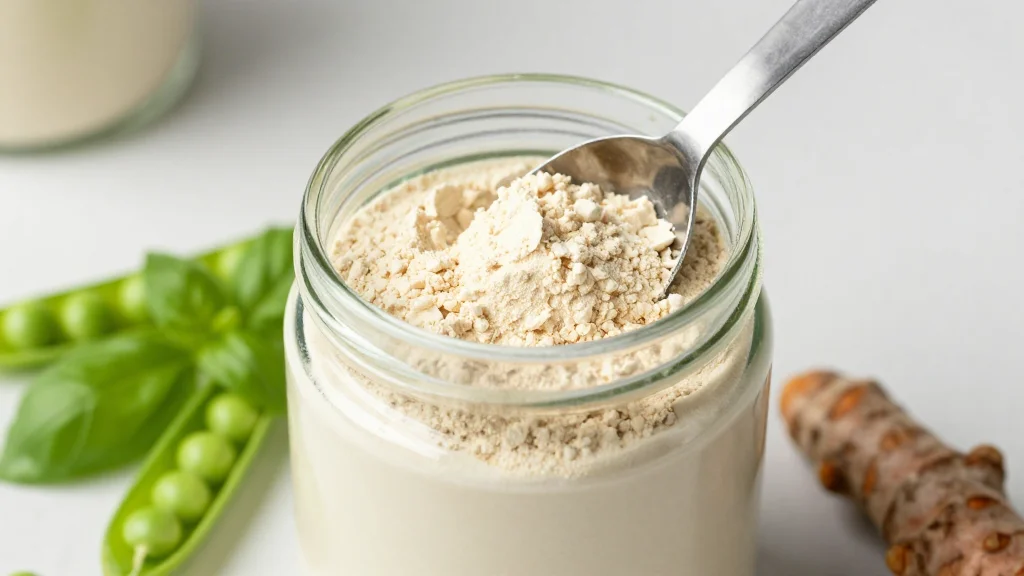
- •Plant‑based proteins (pea, soy, rice) are rapidly capturing urban market share.
- •Fitness culture and rising disposable incomes underpin double‑digit growth expectations.
Pulse Analysis
The Indian protein supplement market is at a inflection point where consumer health consciousness intersects with supply‑chain innovation. Historically, the Indian nutrition sector has been dominated by whey and soy concentrates, but the clean‑label wave is forcing a pivot toward ingredients that can be marketed as natural and minimally processed. This mirrors trends observed in Europe and North America, yet the scale of India's youthful, urban population accelerates adoption rates.
From a competitive standpoint, multinational firms with established clean‑label portfolios—such as Nestlé Health Science and Danone—are poised to leverage their global R&D capabilities, while domestic players like Amul and Patanjali are rapidly upgrading their ingredient sourcing and certification processes. The race to secure high‑quality plant protein isolates could reshape trade flows, with India potentially becoming both a major consumer and exporter of sustainably sourced protein.
Looking ahead, regulatory clarity on “clean‑label” terminology will be decisive. If Indian authorities tighten labeling standards, brands that have already invested in transparent supply chains will enjoy a first‑mover advantage. Conversely, lax enforcement could lead to a proliferation of green‑washed claims, diluting consumer trust. Investors should monitor policy developments, as well as the emergence of digital platforms that aggregate consumer feedback on supplement efficacy and safety, which could become new arbiters of market credibility.
India's Protein Supplement Market Set to Hit $913 Million by 2025 on Clean‑Label Surge
Comments
Want to join the conversation?
Loading comments...