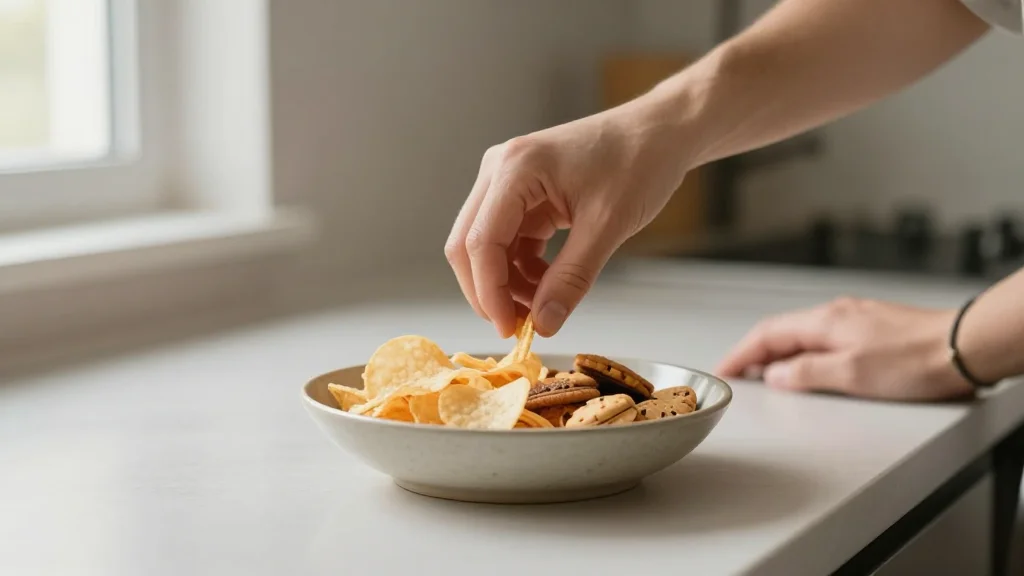
Is It Better To Snack Or To Avoid Snacking Altogether? An RD Weighs In
Why It Matters
Structured snacking helps consumers achieve balanced nutrient intake and better blood‑sugar control, driving demand for higher‑quality snack products and influencing dietary guidelines.
Key Takeaways
- •Aim for 10 g protein and 4 g fiber per snack
- •Whole‑food snacks (avocado, almonds, pistachios) boost cardiometabolic markers
- •Frequent grazing signals meals lacking protein, fiber, or timing
- •Planned snacks curb extreme hunger and support balanced nutrition
Pulse Analysis
The stigma around snacking often overlooks its physiological benefits when executed with the right macronutrient balance. Recent nutrition research highlights that a modest 10‑gram protein boost paired with 4‑gram fiber can significantly blunt post‑prandial glucose spikes and extend satiety, making it easier to avoid overeating at subsequent meals. This principle aligns with the broader shift toward nutrient‑dense, portion‑controlled eating patterns that many health‑focused brands are adopting to meet consumer expectations for functional convenience.
Beyond macro ratios, the quality of snack ingredients plays a pivotal role in long‑term health outcomes. Whole‑food choices such as avocado, almonds, and pistachios deliver monounsaturated fats, plant‑based protein, and soluble fiber, which collectively improve triglyceride profiles, lower LDL cholesterol, and nurture a diverse gut microbiome. These benefits have prompted food manufacturers to reformulate snack lines, emphasizing clean labels and natural sources rather than refined carbohydrates, thereby capturing a growing market segment that values both taste and metabolic wellness.
When individuals find themselves constantly grazing, it often signals gaps in meal composition or timing. Inconsistent protein or fiber intake, coupled with long intervals between meals, drives cravings that manifest as impulsive snacking. Dietitians recommend establishing regular eating windows and preparing a handful of nutrient‑dense snacks in advance to transform eating from reactive to purposeful. For businesses, this translates into opportunities for ready‑to‑eat snack packs that meet the 10‑gram protein/4‑gram fiber benchmark, catering to busy professionals seeking health‑forward convenience.
Is It Better To Snack Or To Avoid Snacking Altogether? An RD Weighs In
Comments
Want to join the conversation?
Loading comments...