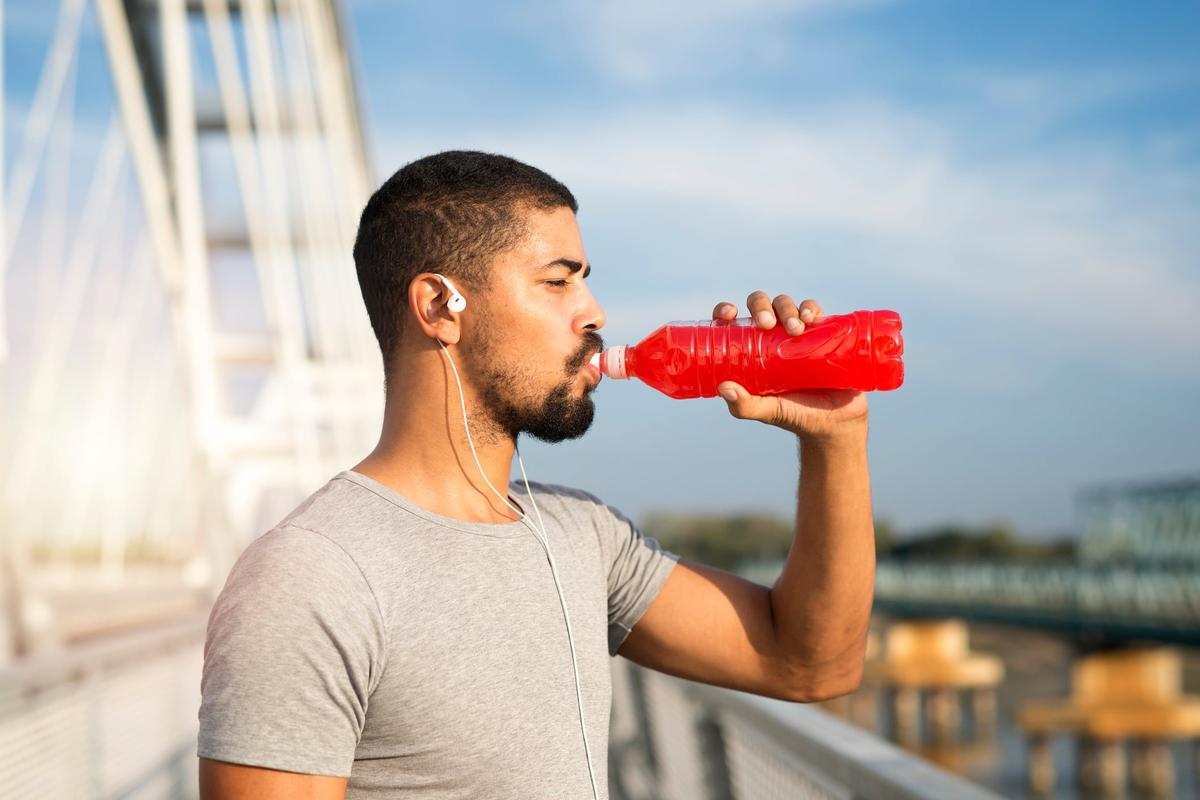
Isomaltulose May Offer Benefits over Sucrose for Energy Drinks: Study
Why It Matters
Lower glycaemic responses could reduce diabetes risk for frequent energy‑drink consumers, while preserving the mental‑alertness benefits that drive sales. This positions isomaltulose as a strategic ingredient for brands seeking health‑forward differentiation.
Key Takeaways
- •Isomaltulose lowered post‑prandial glucose compared with sucrose
- •Insulin spike was smaller after isomaltulose drink than sucrose
- •Cognitive performance was non‑inferior for isomaltulose versus sucrose
- •L‑theanine presence confounds attribution of cognitive effects
Pulse Analysis
Energy‑drink manufacturers face mounting pressure to replace high‑glycaemic sugars with alternatives that maintain performance benefits. Sucrose, the traditional sweetener, drives rapid glucose and insulin surges that can precipitate a "sugar crash" and contribute to long‑term metabolic disorders. Isomaltulose, marketed as Palatinose, digests more slowly, offering a lower glycaemic index and non‑cariogenic properties, making it attractive for health‑conscious consumers and brands looking to broaden their functional beverage portfolios.
In a rigorously designed, three‑arm crossover study, 30 adults consumed caffeinated sucrose, caffeinated isomaltulose with 77.5 mg L‑theanine, and a placebo after a three‑hour fast. Blood analyses revealed significantly lower glucose and insulin excursions after the isomaltulose drink, while neurocognitive testing demonstrated non‑inferiority across most domains compared with sucrose. However, neither active drink consistently outperformed the placebo, and the added L‑theanine prevents a clean attribution of any cognitive advantage to the sweetener alone, highlighting the need for larger, isolated trials.
For the beverage sector, these findings signal a viable pathway to reformulate energy drinks without sacrificing the stimulant effect that fuels consumer demand. By adopting isomaltulose, brands can market a lower‑risk product that aligns with growing consumer scrutiny over sugar content and metabolic health. Future research should explore long‑term outcomes in diabetic or cardiovascular‑risk populations and isolate L‑theanine’s role, enabling clearer regulatory and marketing claims. As the market pivots toward functional, health‑forward formulations, isomaltulose could become a differentiator in a crowded category.
Isomaltulose may offer benefits over sucrose for energy drinks: Study
Comments
Want to join the conversation?
Loading comments...