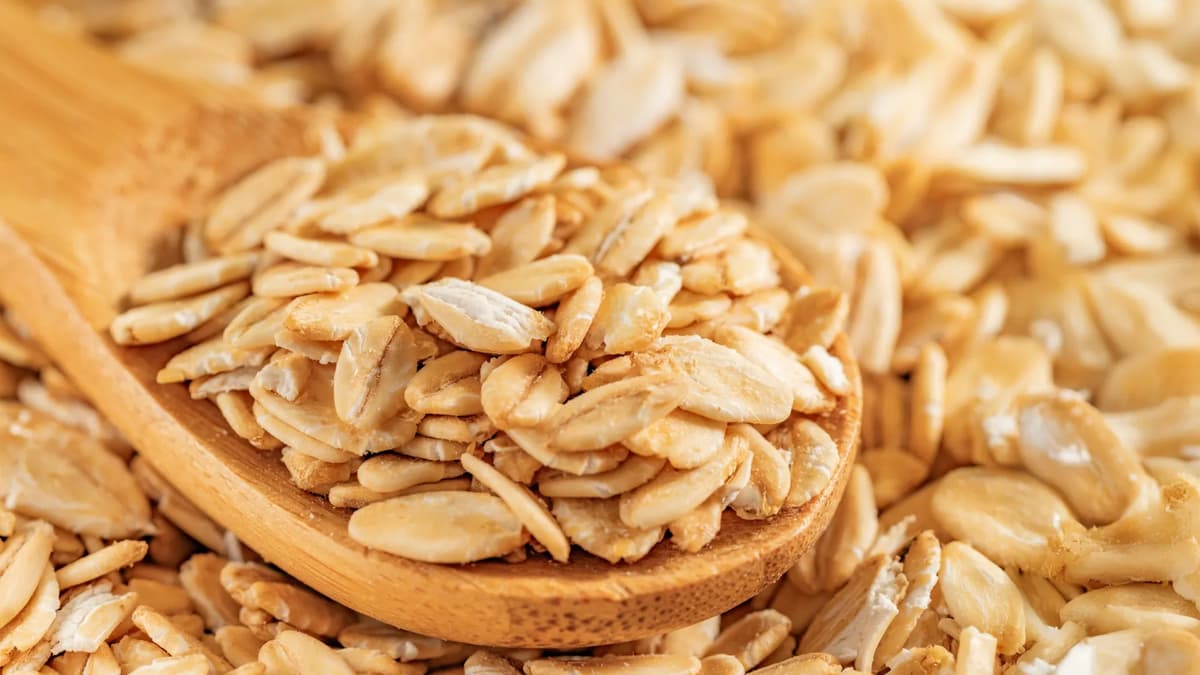
Just Two Days of Oatmeal Cut Bad Cholesterol by 10%
Why It Matters
The findings suggest a simple, inexpensive dietary strategy can meaningfully lower bad cholesterol and may complement existing cardiovascular risk‑reduction therapies, especially for patients with metabolic syndrome.
Key Takeaways
- •Two‑day oat diet cut LDL by 10%
- •300 g oatmeal daily halved calories, lost 2 kg
- •Gut microbiome shift linked to cholesterol reduction
- •Effects persisted six weeks after intervention
- •Longer low‑dose oat intake showed modest benefits
Pulse Analysis
Oats have long been touted for heart‑healthy properties, but rigorous clinical evidence has been limited. A recent randomized controlled trial from the University of Bonn, published in Nature Communications, examined participants with metabolic syndrome—a cluster of risk factors that predisposes individuals to diabetes and cardiovascular disease. By restricting calories and consuming 300 g of boiled oatmeal three times daily for just 48 hours, researchers created an intensive, short‑term dietary intervention. The study builds on early 20th‑century observations that oat‑based meals could improve glucose control, bringing modern scientific methods to an old therapy.
The trial compared 17 oat‑fed volunteers with a calorie‑matched control group that avoided oats. Results showed a 10 percent drop in LDL cholesterol, an average weight loss of two kilograms, and a modest reduction in blood pressure. Importantly, the lipid improvement remained detectable six weeks after the two‑day regimen, suggesting lasting metabolic reprogramming. Microbiome analysis revealed a surge in specific bacterial taxa that produce phenolic compounds such as ferulic acid, which are known to modulate cholesterol metabolism. These findings link gut‑derived metabolites directly to the observed cardiovascular benefit.
From a business perspective, the study highlights a low‑cost, scalable strategy for risk reduction that could complement pharmaceutical therapies. Food manufacturers may see renewed interest in oat‑rich products designed for short, intensive use, while insurers might consider dietary counseling as a preventive measure. However, the effect size does not replace statins for high‑risk patients, and larger, longer‑term trials are needed to confirm durability and safety. If replicated, periodic high‑dose oat interventions could become a practical tool in managing metabolic syndrome and reducing cardiovascular events.
Just two days of oatmeal cut bad cholesterol by 10%
Comments
Want to join the conversation?
Loading comments...