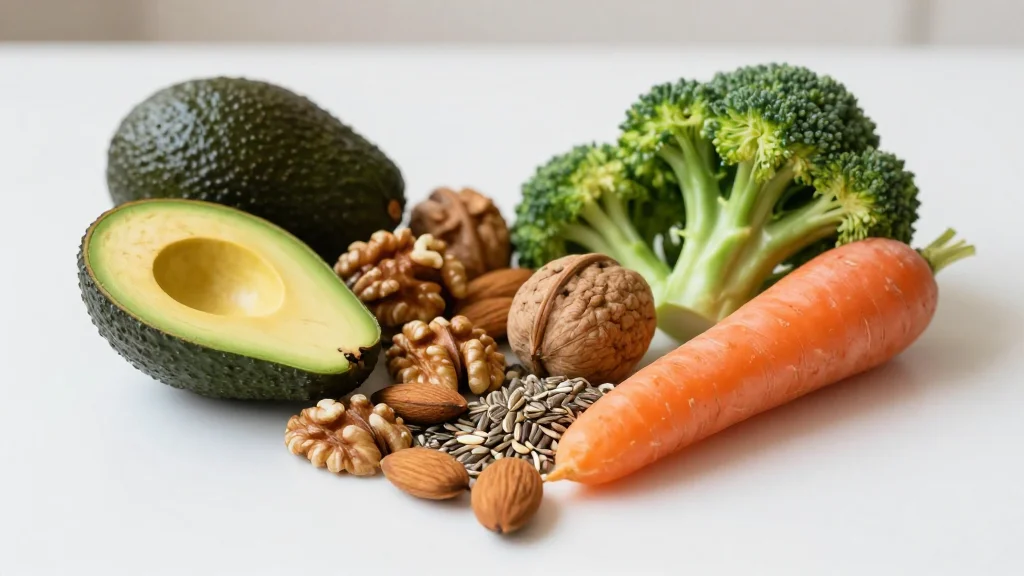
Lower Your Heart Disease & Diabetes Risk By Eating More Of These Foods
Why It Matters
The research demonstrates that everyday dietary choices can materially cut chronic disease risk, giving clinicians and policymakers evidence to promote phytosterol‑rich foods as a cost‑effective public‑health strategy.
Key Takeaways
- •High phytosterol intake cuts heart disease risk by 9%.
- •Diabetes risk drops 8% with more phytosterol‑rich foods.
- •Benefits linked to improved insulin, inflammation, and gut microbes.
- •Typical U.S. diet falls short of recommended servings.
- •Simple swaps add 1‑2 phytosterol servings daily.
Pulse Analysis
The Harvard T.H. Chan School of Public Health recently published one of the largest observational investigations of phytosterol consumption, tracking more than 200,000 health professionals over several years. By linking detailed food‑frequency questionnaires with incident heart disease and type‑2 diabetes cases, the researchers could isolate the effect of naturally occurring phytosterols from other dietary factors. The cohort, predominantly female, provided a robust statistical base that strengthens confidence in the reported 9 % reduction in cardiovascular events and 8 % drop in diabetes risk among high‑consumers.
These epidemiologic results echo earlier clinical trials where isolated phytosterol supplements lowered LDL cholesterol, but they extend the narrative to whole‑food patterns. The study identified three biological pathways: enhanced insulin sensitivity, dampened systemic inflammation, and a gut microbiome enriched with bacteria capable of metabolizing phytosterols. Such mechanisms suggest that the compound works synergistically with fiber and other phytonutrients, offering a more sustainable, food‑based strategy than pill‑based interventions. Nutrition policymakers may therefore consider elevating phytosterol‑rich foods in dietary guidelines alongside traditional fiber recommendations.
For consumers, the findings translate into actionable tweaks: adding an extra serving of vegetables or fruit, swapping refined grains for whole‑grain options, and sprinkling nuts or seeds onto meals can raise daily phytosterol intake without drastic diet overhauls. Given that the average American consumes only one fruit and 1.5 vegetable servings per day, there is ample room for improvement. As public health campaigns emphasize plant‑forward eating, integrating phytosterol‑dense foods could become a low‑cost lever to curb the growing burden of heart disease and diabetes.
Lower Your Heart Disease & Diabetes Risk By Eating More Of These Foods
Comments
Want to join the conversation?
Loading comments...