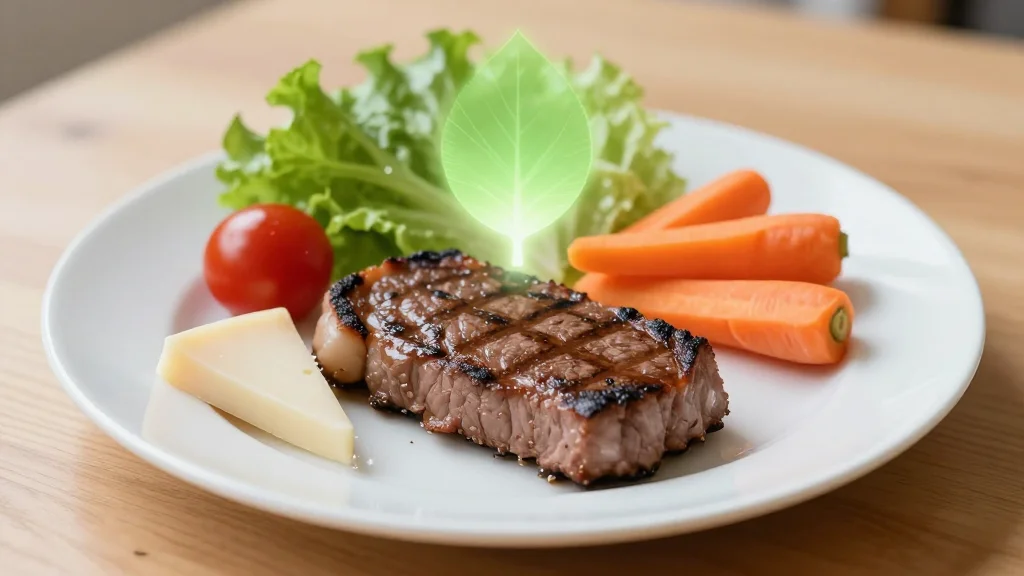
Netherlands Caps Weekly Meat Intake at 300 G, Targeting Climate and Health Goals

Why It Matters
The Dutch meat cap directly links dietary habits to climate mitigation, offering a concrete example of how nutrition policy can serve dual health and environmental goals. If successful, it could lower national rates of heart disease and obesity while reducing nitrogen‑related water pollution, delivering measurable public‑health savings. Beyond the Netherlands, the policy could reshape European food markets, prompting retailers and producers to accelerate plant‑based product development. A shift in consumer norms toward lower meat consumption may also influence global supply chains, encouraging more sustainable farming practices and potentially reshaping trade flows for meat and dairy commodities.
Key Takeaways
- •Netherlands Nutrition Centre reduces weekly meat recommendation to 300 g, a 40% cut
- •Red meat limited to 100 g per week; cheese allowance halved to 20 g per day
- •Guidelines tie nutrition to nitrogen‑emission reductions and cardiovascular‑disease risk
- •First EU nation to align dietary advice with 2030 climate targets
- •Potential ripple effect on EU food policy, industry innovation, and public‑health outcomes
Pulse Analysis
The Dutch decision reflects a growing recognition that food policy is a frontline climate tool. Historically, nutrition guidelines have focused on health alone; the Netherlands is among the first to embed environmental metrics into the core recommendation set. This dual‑purpose approach could force the food industry to accelerate reformulation, especially in processed meat and cheese segments, where margins are thin and supply chains entrenched.
From a market perspective, the cap creates a clear signal for investors in plant‑based protein firms. Venture capital has already poured billions into alternative meat startups, and a policy‑driven demand surge could translate into faster scaling and lower consumer prices, reinforcing a virtuous cycle of adoption. Conversely, traditional livestock sectors may lobby for subsidies or phased implementation, echoing past resistance seen in the EU’s sugar‑reduction efforts.
Looking ahead, the success of the “Wheel of Five” will hinge on enforcement mechanisms and public acceptance. If consumption data shows a measurable drop in meat intake without major backlash, other EU members may adopt similar caps, potentially harmonizing dietary standards across the bloc. Such harmonization could simplify cross‑border food labeling, reduce trade barriers for sustainable products, and amplify the collective climate impact of European diets.
Netherlands Caps Weekly Meat Intake at 300 g, Targeting Climate and Health Goals
Comments
Want to join the conversation?
Loading comments...