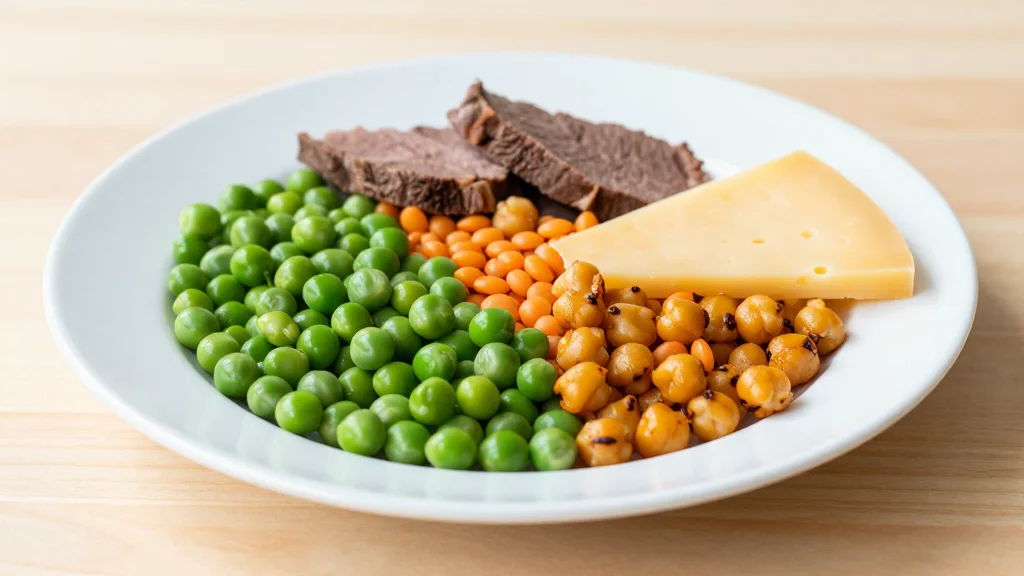
Netherlands Revamps Food Pyramid, Boosts Plant Proteins, Cuts Meat

Why It Matters
The Dutch revision signals a concrete policy link between nutrition and climate, offering a model for how governments can use dietary guidelines to drive public‑health improvements and emissions reductions. By quantifying plant‑protein targets and tightening meat limits, the Netherlands sets measurable standards that could reshape food production, supply chains and consumer habits across Europe. If other countries adopt similar frameworks, the cumulative effect could accelerate the transition to a lower‑carbon food system, reduce chronic disease burdens, and stimulate innovation in alternative protein technologies. The move also raises questions about how quickly industry can adapt to new demand patterns and whether consumer behavior will follow the guidance without additional incentives.
Key Takeaways
- •Weekly plant‑based protein recommendation raised to 250 g, up from 120‑180 g
- •Meat intake limit lowered to 300 g per week, with red meat capped at 100 g
- •Cheese recommendation cut in half to 20 g per day, encouraging fortified alternatives
- •Guidelines align with the Health Council’s 2025 sustainability‑focused nutrition policy
- •Online “Wheel of Five” tool now offers personalized filters for diverse dietary needs
Pulse Analysis
The Netherlands’ overhaul of its food pyramid marks a strategic alignment of health policy with climate objectives, a combination that has been rare in national nutrition guidelines. Historically, dietary recommendations have focused on disease prevention, but the explicit inclusion of environmental metrics reflects a growing consensus that food systems are a major lever for emissions cuts. By quantifying plant‑protein intake, the Dutch authority provides a clear target for both consumers and the food industry, reducing ambiguity that often hampers policy uptake.
From a market perspective, the shift could catalyze rapid growth in the plant‑based sector. Companies that have already invested in legume‑derived proteins stand to benefit from increased demand, while traditional meat and dairy firms may need to accelerate diversification into alternative products or risk losing market share. The policy also creates an opportunity for innovation in fortified dairy alternatives, as the reduced cheese recommendation encourages consumers to seek nutritionally equivalent options.
Looking ahead, the success of the Dutch model will hinge on implementation fidelity and consumer acceptance. Educational campaigns, school meal programs, and clear labeling will be essential to translate guidelines into everyday choices. If adoption rates are high, the Netherlands could demonstrate measurable health improvements and carbon‑footprint reductions, providing a compelling case study for other nations. Conversely, resistance from entrenched industry lobbies or cultural preferences for meat could blunt the impact, underscoring the need for complementary measures such as subsidies for sustainable foods and taxes on high‑impact animal products.
Netherlands Revamps Food Pyramid, Boosts Plant Proteins, Cuts Meat
Comments
Want to join the conversation?
Loading comments...