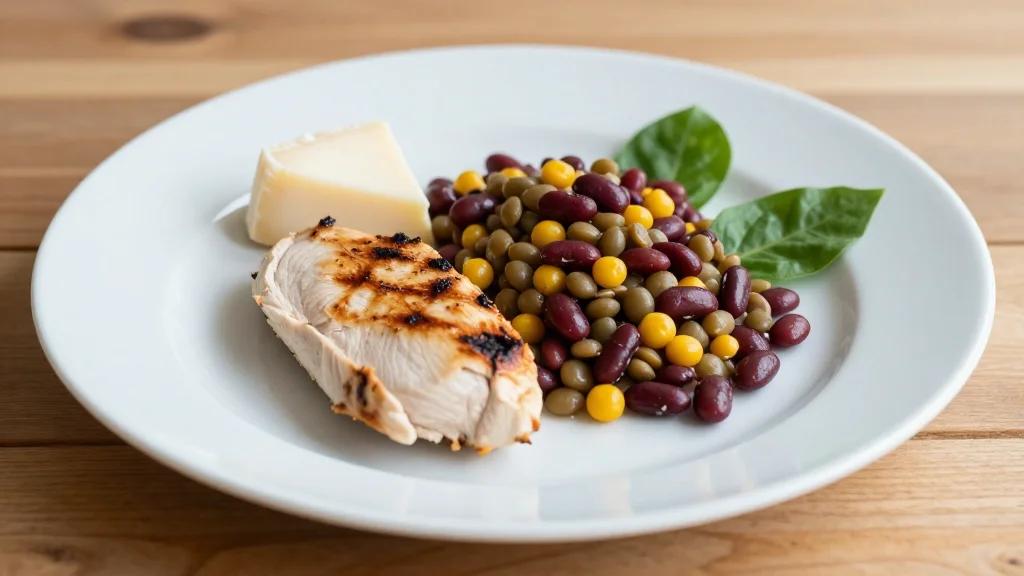
Netherlands Revamps Schijf Van Vijf, Cutting Meat and Dairy While Boosting Legumes

Why It Matters
The updated Schijf van Vijf directly targets two of the most significant drivers of diet‑related disease—excessive meat and dairy intake—while promoting legumes, a nutrient‑dense, low‑environmental‑impact protein source. By embedding these changes in a nationally recognized guide, the Netherlands is leveraging public policy to nudge consumer choices at scale, potentially reducing cardiovascular disease, obesity, and colorectal cancer rates. Environmentally, the reduction in meat and dairy aligns with the Netherlands’ climate goals, as livestock production accounts for a sizable share of national greenhouse‑gas emissions. A measurable shift toward legumes could lower the carbon footprint of the average Dutch diet, setting a precedent for other high‑consumption countries.
Key Takeaways
- •Weekly meat recommendation cut from 500 g to 300 g
- •Legume intake target raised to 250 g per week
- •Red meat limited to 100 g per week; processed meat minimized
- •Daily cheese recommendation reduced (exact amount not disclosed)
- •Guidelines developed with RIVM, aiming to improve health and meet climate targets
Pulse Analysis
The Dutch revision of the Schijf van Vijf represents a strategic use of dietary guidance to address both public‑health and environmental objectives. Historically, national food guides have been slow to adjust animal‑product recommendations, often due to industry lobbying and cultural preferences. By setting explicit weekly caps, the Netherlands sidesteps vague advice and provides a measurable target for consumers and policymakers alike.
From a market perspective, the shift creates a clear signal for food manufacturers: plant‑based proteins will likely see accelerated demand, while traditional meat and dairy sectors must innovate or diversify to retain relevance. Companies that have already invested in fortified legumes or hybrid dairy alternatives stand to benefit, whereas firms reliant on conventional meat cuts may face pressure to reformulate products or invest in sustainability certifications.
Looking ahead, the true test will be consumer uptake. If the revised guide translates into a sustained decline in meat and cheese consumption, the Netherlands could report measurable health cost savings and a reduction in agricultural emissions within the next decade. Other EU nations, observing the Dutch experience, may adopt similar quantitative frameworks, potentially reshaping the continent’s food system toward a more plant‑centric model.
Netherlands Revamps Schijf van Vijf, Cutting Meat and Dairy While Boosting Legumes
Comments
Want to join the conversation?
Loading comments...