New Dietary Recommendations in the Netherlands: Less Meat, More Legumes
Why It Matters
Reducing animal‑based protein cuts greenhouse‑gas emissions and aligns Dutch diets with EU sustainability targets, while encouraging healthier eating patterns for the population.
Key Takeaways
- •Dutch guidelines cut meat to 300 g weekly, 100 g red max
- •Cheese recommendation halved to 20 g per day
- •Legume intake raised to 250 g per week
- •Diet shift aims to lower environmental footprint
- •Guidelines support EU health and sustainability targets
Pulse Analysis
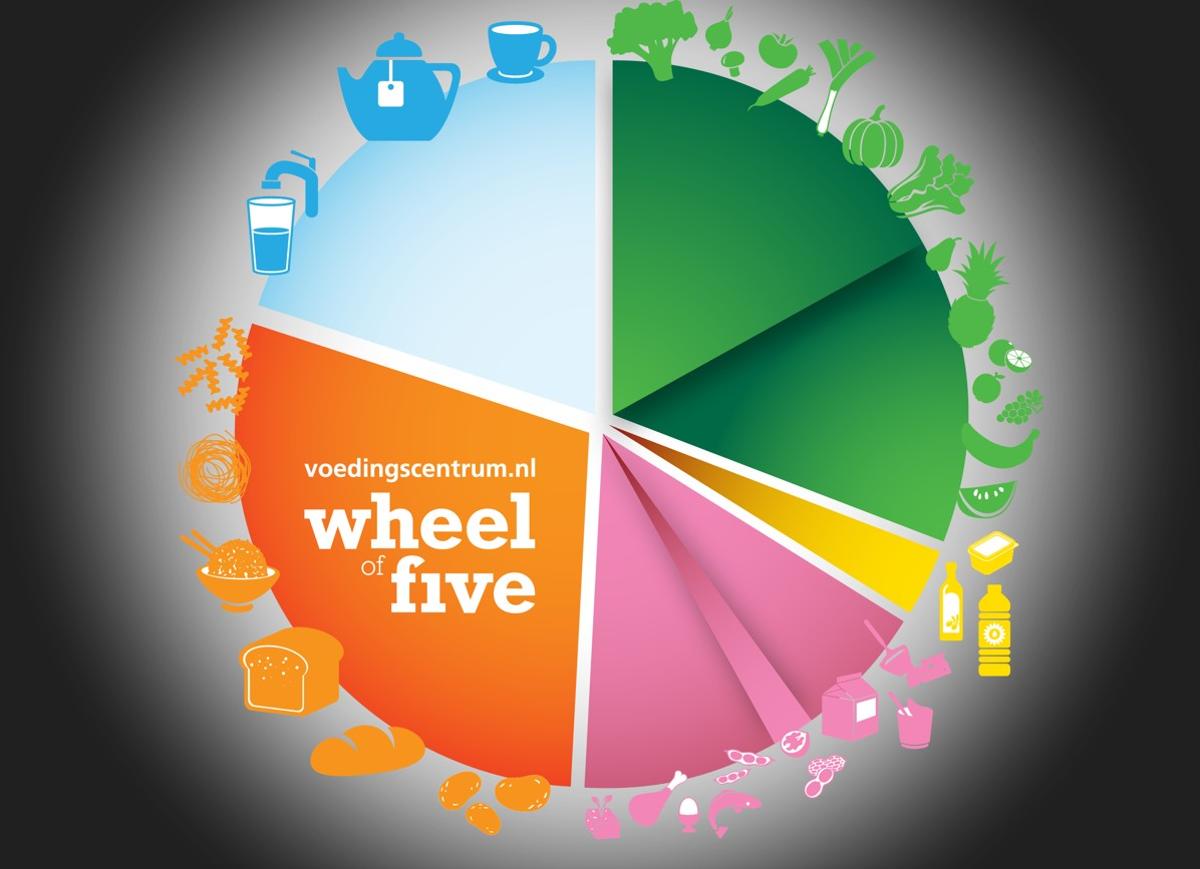
The Netherlands Nutrition Center’s overhaul of the iconic "Wheel of Five" marks a decisive pivot toward a diet that serves both public health and climate goals. By tightening limits on meat—capping weekly intake at 300 g and red meat at 100 g—the agency mirrors a growing body of research that links high animal‑protein consumption to cardiovascular risk and higher carbon footprints. Simultaneously, the recommendation to double legume portions to 250 g per week provides a plant‑based protein alternative that delivers fiber, micronutrients, and a markedly lower environmental impact.
For consumers, the new guidelines translate into everyday adjustments: swapping a portion of steak for a bean‑rich stew, choosing a modest slice of cheese, and alternating dairy with fortified plant milks. These shifts could stimulate demand for legumes, prompting Dutch farmers and food processors to expand pulse production and innovate new protein products. The meat and dairy sectors may face pressure to reformulate offerings, invest in sustainable sourcing, or diversify into alternative proteins to retain market share as dietary habits evolve.
Internationally, the Dutch move reinforces Europe’s broader push toward sustainable nutrition, echoing similar recommendations in Germany, the UK, and the Nordic countries. By embedding climate considerations into national dietary advice, the Netherlands sets a precedent for policy‑driven food system transformation. If adopted widely, such guidance could contribute to the EU’s 2030 climate targets, reduce diet‑related disease burden, and inspire other nations to align health guidelines with environmental imperatives.
New dietary recommendations in the Netherlands: less meat, more legumes
Comments
Want to join the conversation?
Loading comments...