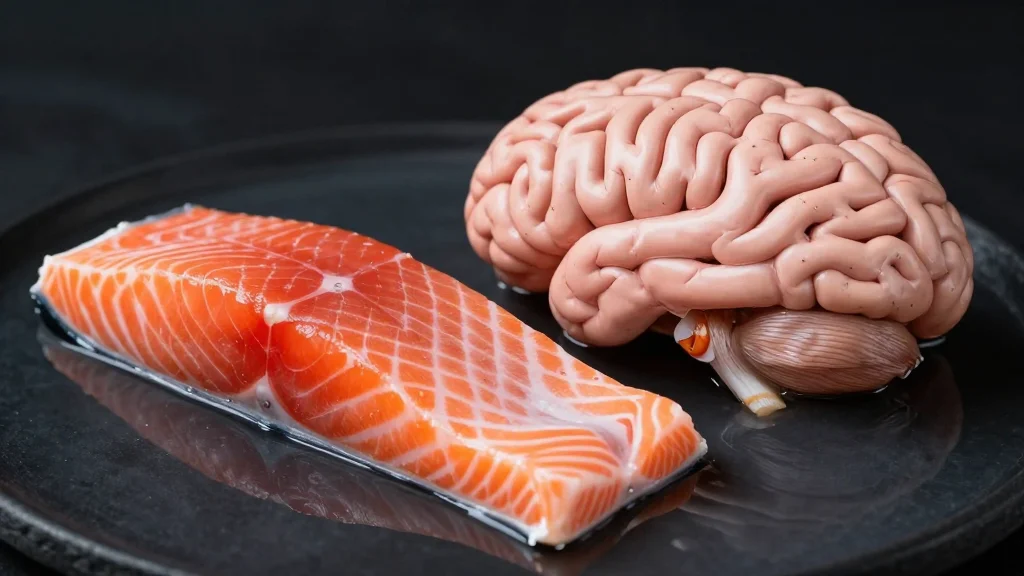
NIH Study Finds EPA May Hinder Brain Repair After Repeated Mild Head Injuries

Why It Matters
The NIH discovery challenges the prevailing narrative that fish oil is universally protective for brain health. By pinpointing a specific omega‑3 component that may hinder recovery after repeated concussions, the study forces a reevaluation of supplement recommendations for athletes, military personnel, and others exposed to head trauma. This could lead to revised clinical guidelines, more nuanced consumer labeling, and a shift in market demand toward DHA‑focused products. Beyond individual health, the research has public‑health implications. Chronic traumatic encephalopathy and related neurodegenerative disorders impose substantial long‑term care costs and affect quality of life for millions. If EPA supplementation accelerates tau protein accumulation, mitigating its use in vulnerable groups could reduce the incidence or severity of these conditions, easing both personal and societal burdens.
Key Takeaways
- •NIH study links EPA, a fish‑oil component, to disrupted blood‑brain barrier after repeated mild TBI
- •EPA may suppress essential inflammatory signals needed for neural repair
- •Research shows increased tau protein buildup when EPA is present in traumatized brains
- •DHA remains neuroprotective; risk appears specific to EPA in high‑impact populations
- •Clinicians urged to assess concussion history before recommending EPA‑rich fish oil
Pulse Analysis
The NIH findings arrive at a crossroads for the multi‑billion‑dollar omega‑3 market. For years, supplement manufacturers have bundled EPA and DHA together, capitalizing on the broad consumer belief that "more fish oil equals better brain health." This study forces a segmentation of that market, potentially birthing a niche for DHA‑only products aimed at athletes and veterans. Companies that can quickly reformulate or clearly label EPA‑low options may capture early adopters seeking evidence‑based safety.
Historically, the brain‑health narrative around omega‑3s has been driven by epidemiological correlations rather than mechanistic trials. The new work provides a biochemical pathway—blood‑brain barrier destabilization and interference with timed inflammation—that explains why a one‑size‑fits‑all recommendation may be flawed. This could spur a wave of targeted clinical trials, not only to confirm dosage thresholds but also to explore timing strategies, such as postponing EPA intake until the acute post‑injury phase subsides.
From a policy perspective, the study may prompt regulatory bodies like the FDA to revisit labeling requirements for fish‑oil supplements. If future data corroborate these results, we could see mandatory warnings for individuals with a history of concussions, similar to the current advisories on NSAIDs for heart patients. Such changes would reverberate through supply chains, research funding, and consumer education, ultimately reshaping how nutrition science informs public health decisions in the context of brain injury.
NIH Study Finds EPA May Hinder Brain Repair After Repeated Mild Head Injuries
Comments
Want to join the conversation?
Loading comments...