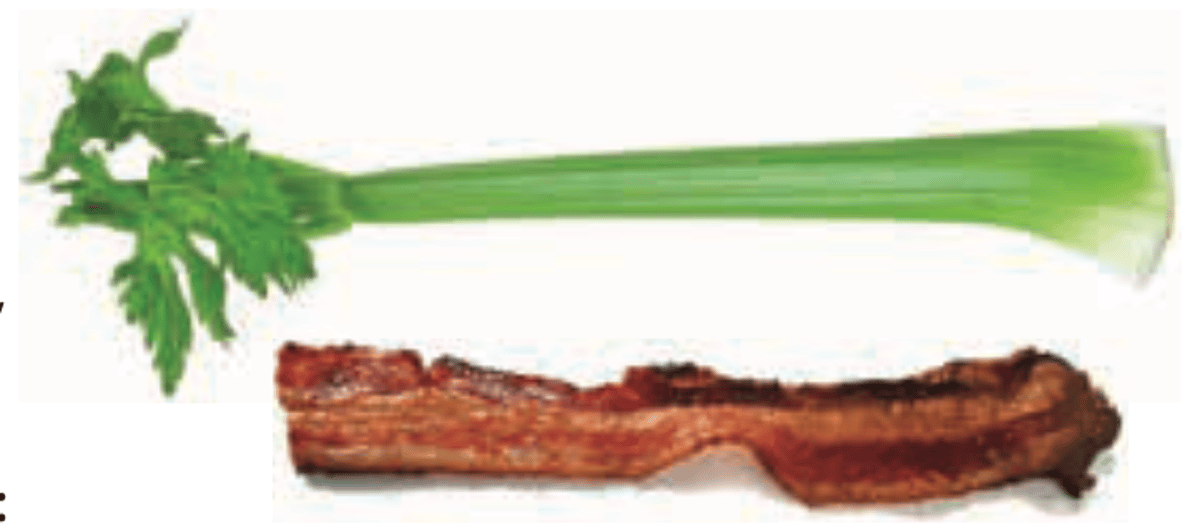
Nitrates in Veggies Vs. Processed Meats
Why It Matters
Understanding the divergent health effects of nitrates guides dietary choices that can reduce heart disease and cancer risk, influencing public health recommendations and food industry practices.
Key Takeaways
- •Vegetable nitrates boost nitric oxide, improving vascular function
- •Processed‑meat nitrates can become carcinogenic nitrosamines
- •Antioxidants in plants inhibit harmful nitrosamine formation
- •Regulatory guidelines limit added nitrates in meats
Pulse Analysis
Nitrates are often misunderstood because they appear in both wholesome vegetables and processed meats, yet their health outcomes diverge dramatically. In leafy greens and root vegetables, nitrates serve as precursors to nitric oxide, a signaling molecule that relaxes blood vessels, lowers blood pressure, and enhances exercise performance. The plant matrix provides vitamin C, polyphenols, and other antioxidants that stabilize nitrate conversion, ensuring the benefits are realized without harmful by‑products.
When nitrates are introduced artificially into cured meats, the high‑heat cooking environment and lack of protective antioxidants facilitate the formation of nitrosamines, chemicals classified as probable human carcinogens by the World Health Organization. Studies link regular consumption of bacon, hot dogs, and deli meats to elevated risks of colorectal and stomach cancers. Moreover, processed meats often contain additional additives, saturated fats, and sodium, compounding cardiovascular concerns. Regulatory agencies in the U.S. and Europe set maximum allowable nitrate levels, but consumer awareness remains essential.
For consumers, the practical takeaway is to emphasize nitrate‑rich vegetables—beets, arugula, celery—while treating processed meats as occasional indulgences rather than staple protein sources. Culinary techniques such as steaming or roasting vegetables preserve nitrate content, whereas low‑temperature cooking of meats can reduce nitrosamine formation. Nutrition policy makers can leverage this nuance to refine dietary guidelines, encouraging plant‑based nitrate intake and stricter controls on meat curing processes, ultimately supporting public health objectives.
Nitrates in Veggies vs. Processed Meats
Comments
Want to join the conversation?
Loading comments...