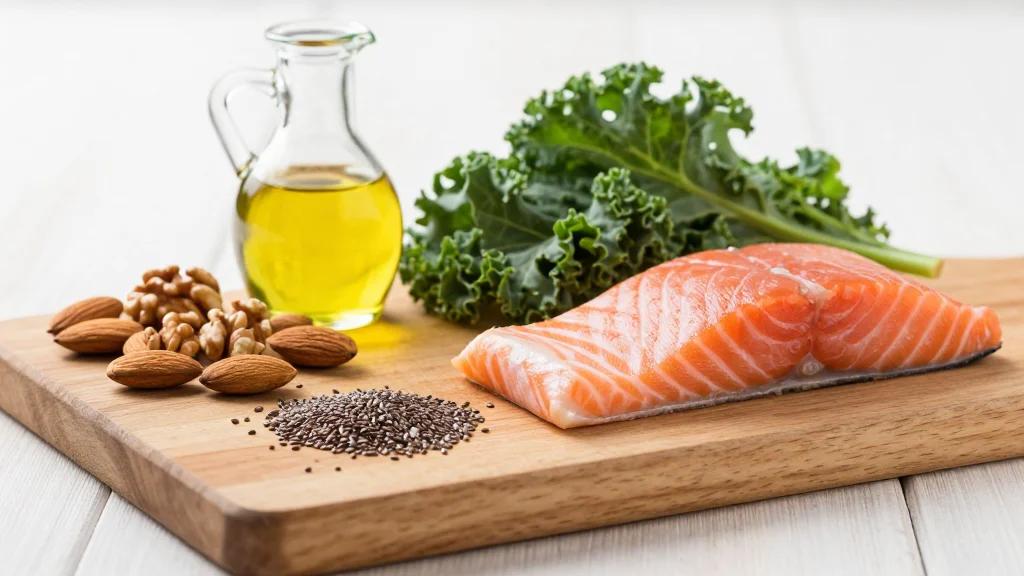
Nutrition Experts Emphasize Two Essential Fats and Their Food Sources

Why It Matters
The experts’ focus on essential fats arrives at a time when Americans are grappling with mixed messages about dietary fat. By clarifying which fats are truly indispensable, the commentary helps consumers make informed choices that can lower heart disease risk and improve metabolic health. If policymakers incorporate these insights, future dietary guidelines could shift from blanket fat limits to more nuanced recommendations, potentially reshaping food industry practices and public‑health outcomes. Furthermore, the emphasis on whole‑food sources such as nuts, seed oils, greens, and fish supports sustainable agriculture and fisheries, aligning nutritional health with environmental stewardship. As the food system adapts to these priorities, the ripple effect could improve diet quality across socioeconomic groups, reducing health disparities linked to poor nutrition.
Key Takeaways
- •Experts identify two essential fats as critical for health.
- •Nuts, seed oils, leafy greens, and fish are highlighted as primary sources.
- •Balance between omega‑3 and omega‑6 fats is emphasized over total fat reduction.
- •Recommendations aim to clarify confusion from decades of low‑fat advice.
- •Potential influence on future U.S. dietary guidelines and food product reformulation.
Pulse Analysis
The renewed focus on essential fats reflects a broader pivot in nutrition science away from the simplistic low‑fat paradigm that dominated the 1990s and early 2000s. Historically, public health campaigns equated fat with calories, prompting a wave of low‑fat processed foods that often compensated with added sugars. Recent meta‑analyses, however, have demonstrated that the type of fat—particularly polyunsaturated and monounsaturated varieties—has a far greater impact on cardiovascular outcomes than total fat intake. This shift is evident in the experts’ consensus, which aligns with emerging evidence that omega‑3s and omega‑6s play distinct, complementary roles in inflammation and cell signaling.
From a market perspective, the experts’ endorsement of nuts, seed oils, and fish could accelerate demand for high‑quality, sustainably sourced ingredients. Food manufacturers may respond by reformulating snack bars, dressings, and ready‑to‑eat meals to feature these fats, differentiating their products in a crowded health‑conscious segment. Simultaneously, the call for balance may spur innovation in blended oil products that optimize omega‑3 to omega‑6 ratios, a niche currently under‑exploited.
Looking ahead, the real test will be whether federal agencies translate this expert consensus into actionable policy. If the USDA and HHS revise the Dietary Guidelines to prioritize essential fats over blanket fat limits, we could see a cascade of changes—from school lunch programs to nutrition labeling standards. Such a move would not only simplify messaging for consumers but also create a regulatory environment that rewards manufacturers for delivering nutritionally superior fat profiles. Until formal guidelines shift, the onus remains on clinicians, dietitians, and media outlets to disseminate these nuanced insights, ensuring that the public can navigate the complex landscape of dietary fat with confidence.
Nutrition Experts Emphasize Two Essential Fats and Their Food Sources
Comments
Want to join the conversation?
Loading comments...