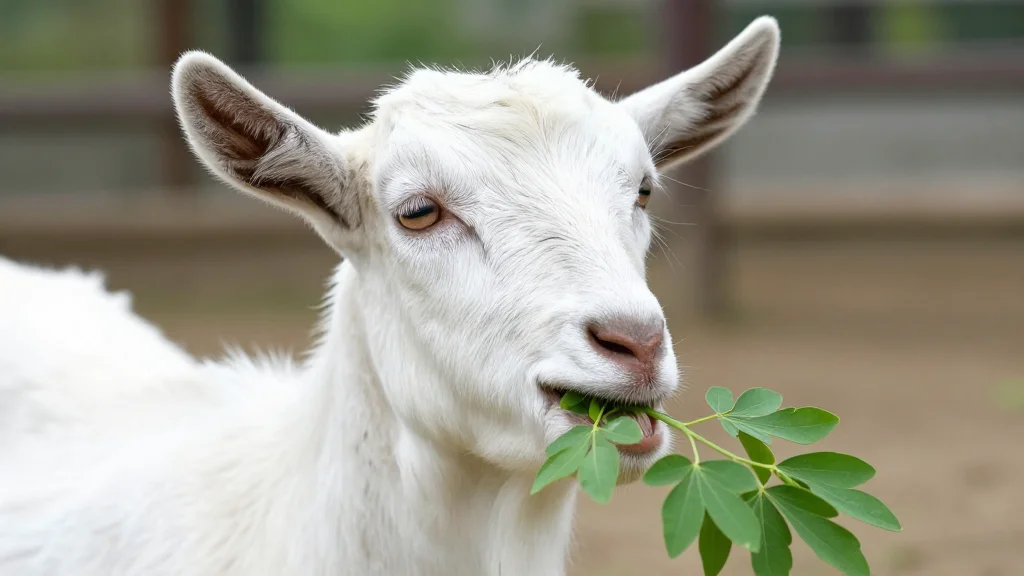
Nutritional and Phytogenic Modulation of Caprine Physiology: A Systematic Review of Moringa Oleifera Effects on Metabolism, Reproductive Function, and Lactation Performance
Why It Matters
Moringa offers a natural, cost‑effective feed additive that boosts productivity, animal health and milk quality, providing a sustainable alternative to antibiotics and high‑cost concentrates for goat producers worldwide.
Key Takeaways
- •Moringa leaf meal (4‑10% DM) boosts ADG ~15% and feed efficiency
- •Antioxidant enzymes (SOD, CAT) increase >100% while MDA drops ~70%
- •Progesterone rises up to 90% and litter size grows 15‑25%
- •Milk yield climbs 10‑45% with higher fat, protein, and CLA
Pulse Analysis
Goat farming underpins food security in many developing regions, yet producers grapple with limited high‑quality feed, rising costs of synthetic additives, and pressure to reduce antibiotic use. Phytogenic feed additives such as Moringa oleifera have emerged as a climate‑resilient solution, delivering high crude protein, essential minerals and a suite of bioactive compounds. By integrating Moringa leaf meal or extracts into rations, farmers can replace a portion of conventional concentrates while simultaneously enhancing rumen fermentation and nitrogen utilization, which translates into better growth rates and lower feed‑per‑kilogram output.
The reviewed studies demonstrate that moderate Moringa inclusion (typically 4‑10% of diet dry matter) yields measurable gains across the production chain. Kids and growing goats showed a 14‑15% increase in final body weight and a 25% improvement in feed conversion, driven by higher fibre digestibility and a more favorable microbial profile. Antioxidant capacity surged, with superoxide dismutase and catalase activities more than doubling, reducing oxidative stress markers like malondialdehyde by up to 70%. Reproductive outcomes also improved; progesterone concentrations rose up to 90%, leading to larger litters and higher kid survival. In lactating does, milk output rose between 10% and 45%, accompanied by richer fat, protein and conjugated linoleic acid levels, enhancing both nutritional value and market premium.
For the goat industry, these findings signal a pathway to higher profitability and environmental stewardship. The dual benefits of performance uplift and reduced reliance on antibiotics align with consumer demand for clean‑label dairy products. Adoption hinges on establishing clear dosage guidelines, assessing local Moringa cultivation costs, and integrating the feed into existing ration formulations. Ongoing research should focus on breed‑specific dose‑response curves, long‑term economic analyses, and omics‑driven insights into rumen microbiome shifts, ensuring that Moringa oleifera becomes a mainstream, evidence‑based component of sustainable small‑ruminant production systems.
Nutritional and phytogenic modulation of caprine physiology: a systematic review of Moringa oleifera effects on metabolism, reproductive function, and lactation performance
Comments
Want to join the conversation?
Loading comments...