One in Five U.S. Adults Unaware Diet Directly Affects Cholesterol, Survey Finds

Companies Mentioned
Why It Matters
Understanding that a sizable 20% of Americans are unaware of the diet‑cholesterol connection is critical for shaping effective nutrition interventions. Misperceptions about chicken, red meat and eggs can lead to dietary choices that inadvertently raise LDL levels, undermining efforts to curb cardiovascular disease, the leading cause of death in the United States. By pinpointing the channels through which people receive nutrition information—health‑care providers, friends, and especially social media—public‑health agencies can tailor campaigns to correct false beliefs and promote evidence‑based dietary patterns, such as plant‑based eating, that have proven cholesterol‑lowering benefits. The survey also highlights a readiness among more than half of respondents to adopt plant‑based diets, offering a strategic entry point for policymakers and insurers to incentivize healthier food choices. If leveraged correctly, these insights could accelerate progress toward national cholesterol‑reduction targets, reduce heart‑disease incidence, and lower health‑care costs associated with cardiovascular events.
Key Takeaways
- •20% of U.S. adults surveyed are unaware that diet directly influences blood cholesterol.
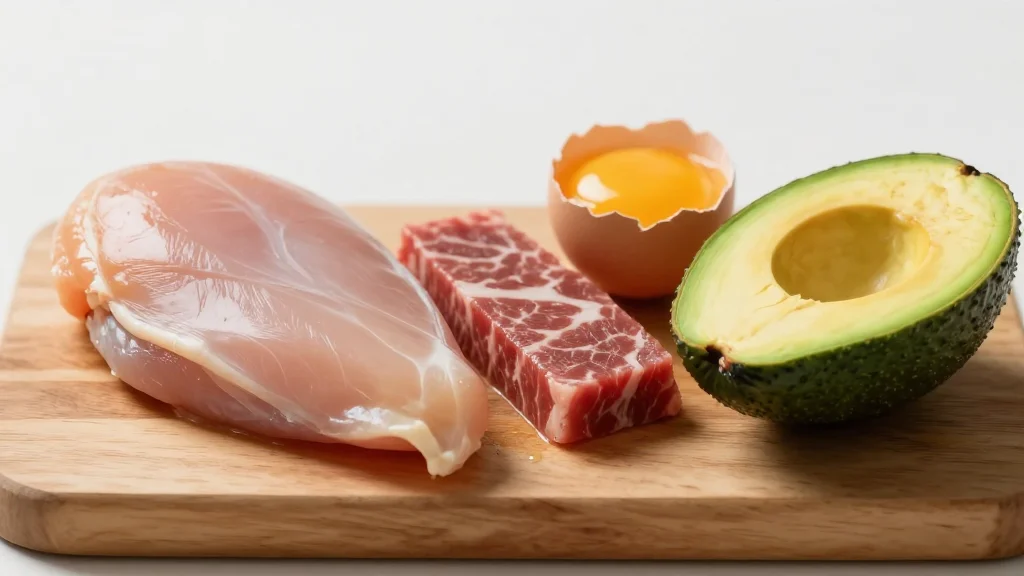
- •36% incorrectly believe chicken lowers cholesterol, despite evidence it raises LDL as much as red meat.
- •52% of respondents cite healthcare providers as their primary source of diet‑cholesterol information.
- •Over 50% say they would try a plant‑based diet to reduce cholesterol risk.
- •The poll of 2,200 adults was conducted May 26‑27, 2026 by PCRM and Morning Consult.
Pulse Analysis
The PCRM/Morning Consult poll surfaces a classic nutrition paradox: while scientific consensus on the cholesterol‑raising effects of animal protein has solidified, public perception lags far behind. This disconnect is amplified by the rise of social media, where anecdotal claims about "heart‑healthy" chicken and eggs proliferate unchecked. The data suggest that traditional health‑care messaging, though still the most trusted source, reaches only half of the population, leaving a substantial audience vulnerable to misinformation.
Historically, cholesterol education has focused on saturated fat and trans‑fat reduction, but the recent shift toward emphasizing whole‑food plant proteins offers a fresh narrative. The willingness of more than half of respondents to consider plant‑based diets aligns with broader market trends: plant‑based meat alternatives have seen double‑digit growth, and grocery retailers are expanding shelf space for legumes and soy products. If public‑health agencies can harness this momentum—perhaps by subsidizing plant‑based staples or integrating nutrition counseling into primary‑care visits—the gap identified by the survey could narrow quickly.
Looking ahead, the real test will be translating awareness into sustained behavior change. Future research should track whether individuals who express willingness to adopt plant‑based diets actually do so, and how that translates into measurable LDL reductions. Moreover, policymakers must confront the role of social media platforms in spreading dietary myths, potentially partnering with them to amplify vetted nutrition content. In sum, the survey is a wake‑up call: without coordinated education and policy support, the cholesterol‑related benefits of plant‑based eating may remain an untapped public‑health resource.
One in Five U.S. Adults Unaware Diet Directly Affects Cholesterol, Survey Finds
Comments
Want to join the conversation?
Loading comments...