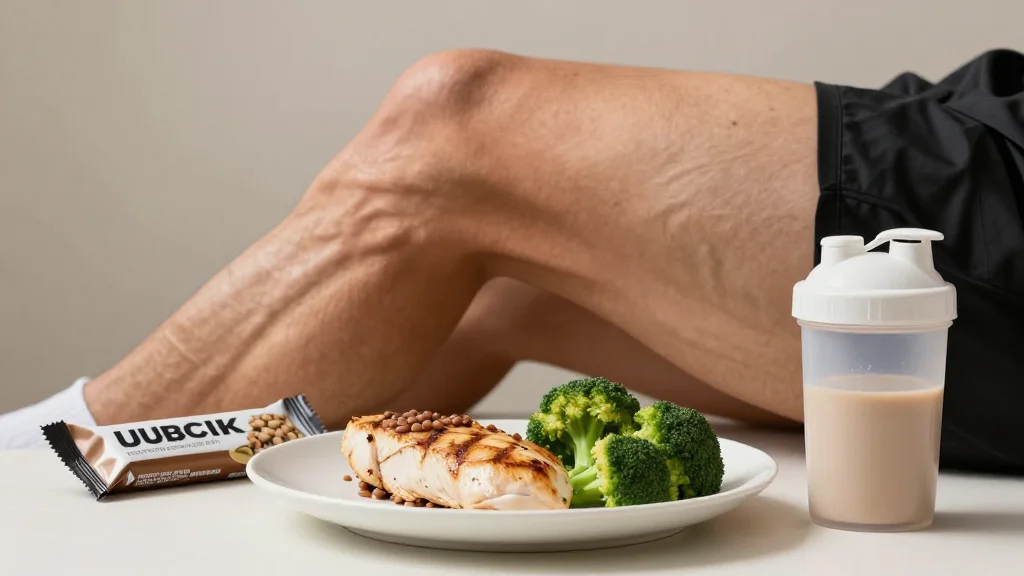
Radiology Study Links Ultra‑Processed Foods to Thigh Muscle Fat, Experts Question Impact on Gains

Why It Matters
Understanding whether ultra‑processed protein foods impair muscle quality has direct consequences for millions of consumers seeking efficient ways to meet protein needs. If processing proves irrelevant, the convenience of protein powders and bars can continue to support dietary adequacy without fear of hidden muscle‑fat penalties. Conversely, if future studies reveal a negative impact, manufacturers may need to reformulate products, and nutrition guidelines could shift toward emphasizing minimally processed protein sources. The debate also informs public‑health messaging around ultra‑processed foods, a category linked to obesity and metabolic disease. Clarifying the specific role of protein‑dense ultra‑processed items could refine dietary recommendations and help consumers make more nuanced choices without discarding convenient protein options altogether.
Key Takeaways
- •Radiology study links high ultra‑processed food intake to increased thigh muscle fat.
- •Study participants averaged 60 years old and did not isolate protein‑specific ultra‑processed foods.
- •Stuart Phillips, PhD, asserts that total protein amount and amino‑acid profile drive muscle growth, not processing level.
- •Fitness industry may continue to promote protein powders and bars if processing is shown to be irrelevant.
- •Future research will need to target younger, active populations and separate protein sources from other processed foods.
Pulse Analysis
The current controversy underscores a broader tension between convenience‑driven nutrition products and the growing body of evidence linking ultra‑processed diets to adverse health outcomes. Historically, the food industry has leveraged processing to improve shelf life and taste, while nutrition science has warned of the cumulative effects of additives, refined carbs, and excess fats. Protein supplements occupy a gray zone: they are technically ultra‑processed yet are often positioned as health‑enhancing.
If upcoming trials confirm Phillips’s view that processing is secondary to protein quality, the market could see a surge in high‑purity isolates and blends marketed for athletes, with less emphasis on “clean‑label” branding. Conversely, a shift in scientific consensus toward a detrimental role for ultra‑processed protein would likely trigger reformulation efforts, stricter labeling, and a possible pivot toward whole‑food protein sources such as legumes, dairy and meat. Companies that can demonstrate minimal processing while delivering complete amino‑acid profiles may capture premium segments.
From a consumer perspective, the takeaway is pragmatic: prioritize meeting protein goals and maintain a diet rich in whole foods, but don’t automatically discard processed protein products. As the evidence base matures, guidance will become more granular, allowing fitness enthusiasts to balance convenience with optimal muscle health.
Radiology Study Links Ultra‑Processed Foods to Thigh Muscle Fat, Experts Question Impact on Gains
Comments
Want to join the conversation?
Loading comments...