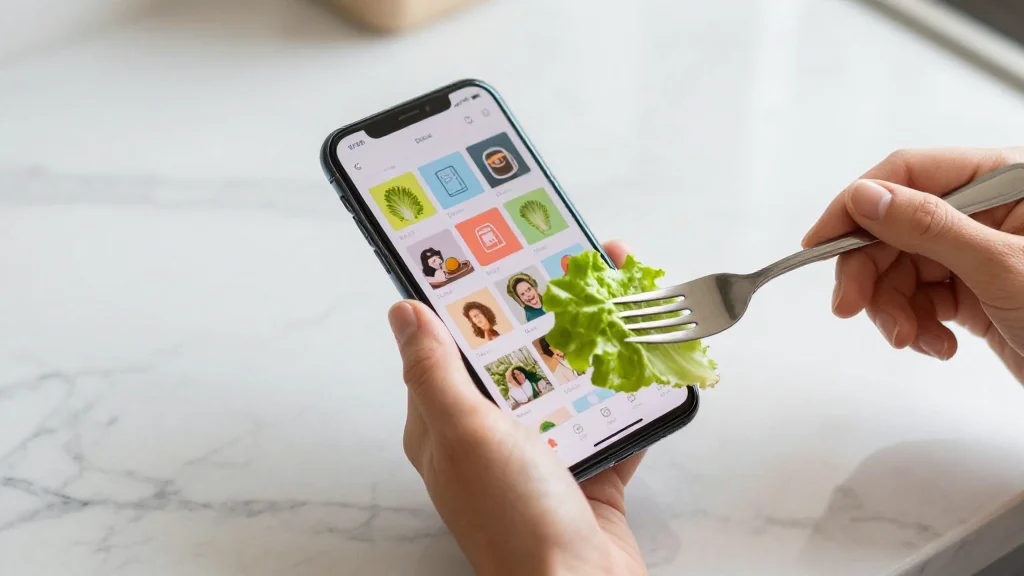
Researchers Warn Social Media Fuels Nutrition Misinformation Amid Viral Health Trends

Why It Matters
Misinformation about nutrition directly influences dietary habits, supplement use, and adherence to medical advice, shaping population health outcomes. When false claims drive people toward extreme diets or untested products, the resulting nutrient gaps and potential interactions can increase the burden on healthcare systems and exacerbate chronic disease trends. Beyond individual health, the spread of nutrition myths undermines trust in scientific institutions, complicating public‑health campaigns and policy initiatives aimed at improving diet quality. Addressing the digital amplification of these myths is essential for safeguarding evidence‑based nutrition guidance and ensuring that future health interventions are received with credibility.
Key Takeaways
- •Food Truth Project labels social‑media nutrition misinformation a 'perfect storm' of algorithmic bias, influencer culture, and scientific complexity.
- •Dr. Ramakanta Panda cites a case where an unverified herbal detox caused severe health issues, illustrating real‑world harm.
- •False nutrition claims can reach millions within hours, while scientific corrections may take weeks to publish.
- •Influencer‑driven anecdotes often outweigh dietitian expertise, shifting public trust toward charisma over credentials.
- •WHO calls the rapid spread of health misinformation an 'infodemic,' prompting calls for regulatory and digital‑literacy solutions.
Pulse Analysis
The convergence of algorithmic design and influencer economics has turned nutrition advice into a high‑velocity commodity, a reality that traditional scientific publishing cannot match. Historically, dietary guidelines evolved over years, with peer‑reviewed consensus shaping policy. Today, a single TikTok video can rewrite a consumer's perception overnight, creating a feedback loop that rewards sensationalism. This asymmetry forces the nutrition research community to rethink dissemination strategies, perhaps by adopting rapid‑response communication teams that can issue concise, platform‑native rebuttals.
From a market perspective, the lucrative supplement industry is capitalizing on this misinformation ecosystem, funneling billions into products marketed as miracle cures. Regulatory bodies have struggled to keep pace, often reacting after adverse events surface. A proactive stance—such as mandatory disclosure of scientific backing for health claims on social platforms—could level the playing field and protect consumers.
Looking forward, the next inflection point will likely be the integration of AI‑driven fact‑checking directly into social feeds. If platforms can reliably flag nutrition misinformation in real time, the current "perfect storm" could be mitigated. However, this requires collaboration between tech firms, health agencies, and the scientific community to define standards that respect free speech while safeguarding public health. The urgency is clear: without decisive action, the digital amplification of nutrition myths will continue to erode evidence‑based guidance and jeopardize global health outcomes.
Researchers Warn Social Media Fuels Nutrition Misinformation Amid Viral Health Trends
Comments
Want to join the conversation?
Loading comments...