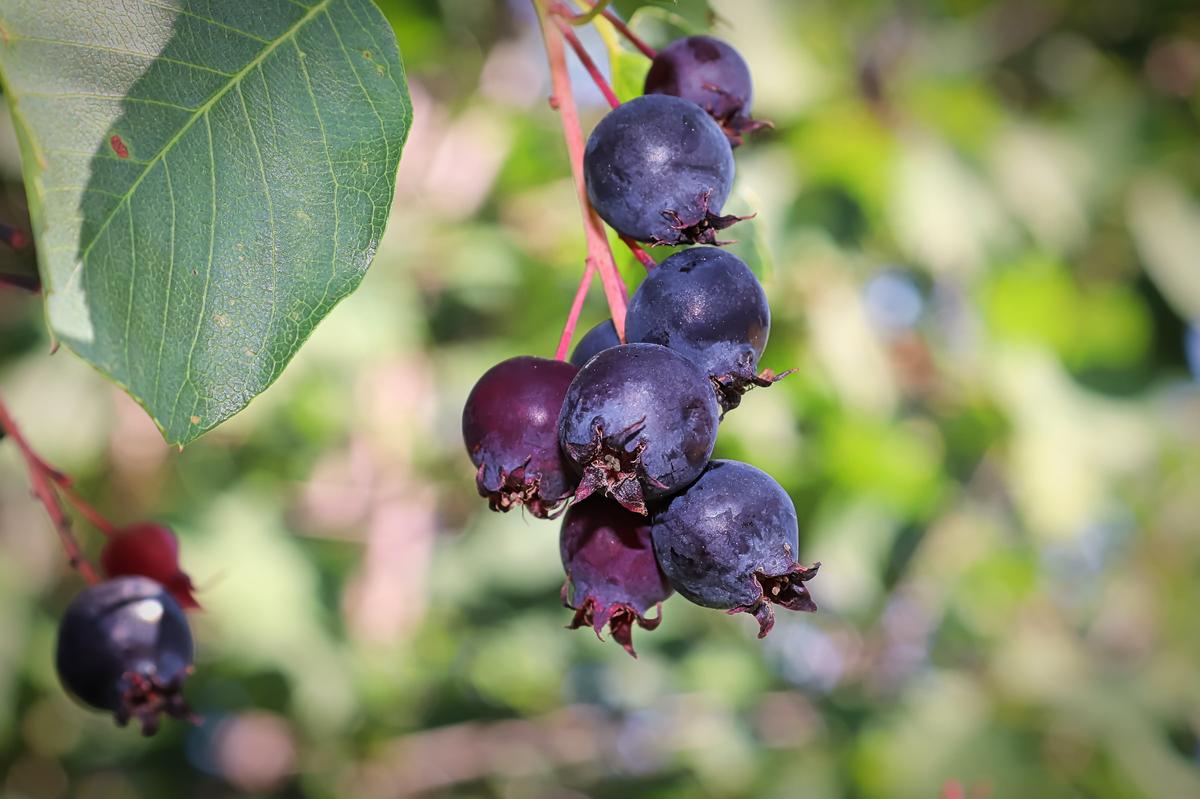
Saskatoon Berry Intake Linked to Improved Heart and Gut Health
Why It Matters
The findings suggest a readily available, plant‑based food can modestly improve key cardiometabolic risk factors, offering a low‑cost preventive tool for the growing chronic‑disease market.
Key Takeaways
- •40 g freeze‑dried Saskatoon berries daily lowered fasting glucose.
- •Total, LDL, and non‑HDL cholesterol decreased after 10 weeks.
- •Systolic blood pressure and inflammatory markers showed significant reductions.
- •Prevotellaceae abundance rose, linking gut microbiota to metabolic improvements.
- •Study was small pilot; larger trials needed to confirm benefits.
Pulse Analysis
Saskatoon berries, a native North American fruit rich in fiber, vitamins, and anthocyanin polyphenols, are gaining attention as functional foods. The recent pilot trial adds human data to a body of animal research that linked the berry’s bioactive compounds to lower blood sugar, cholesterol, and inflammation. By delivering 40 g of freeze‑dried berries each day, participants achieved measurable improvements without altering overall calorie intake, highlighting the fruit’s potential as a practical dietary supplement for health‑conscious consumers and nutrition‑focused product developers.
Beyond traditional cardiometabolic markers, the study explored the gut microbiome, revealing a rise in Prevotellaceae—a bacterial family associated with elevated short‑chain fatty acids (SCFAs). SCFAs play a crucial role in regulating blood pressure, glucose metabolism, and systemic inflammation. This microbiota shift provides a plausible mechanistic bridge between berry consumption and the observed clinical benefits, reinforcing the growing consensus that gut health is integral to metabolic disease prevention. For investors and food manufacturers, the microbiome angle adds scientific credibility to product positioning and may open pathways for novel nutraceutical claims.
While promising, the research is limited to a 20‑person, single‑arm design, and the authors call for larger, randomized trials to confirm efficacy, optimal dosing, and effects across diverse populations. If future studies corroborate these results, Saskatoon berry extracts could become a staple ingredient in functional beverages, snack bars, and dietary supplements targeting type 2 diabetes, hyperlipidemia, and hypertension. The low cost of cultivation and the fruit’s natural appeal align with consumer trends toward plant‑based, clean‑label solutions, potentially reshaping the preventive health market in the United States and beyond.
Saskatoon berry intake linked to improved heart and gut health
Comments
Want to join the conversation?
Loading comments...