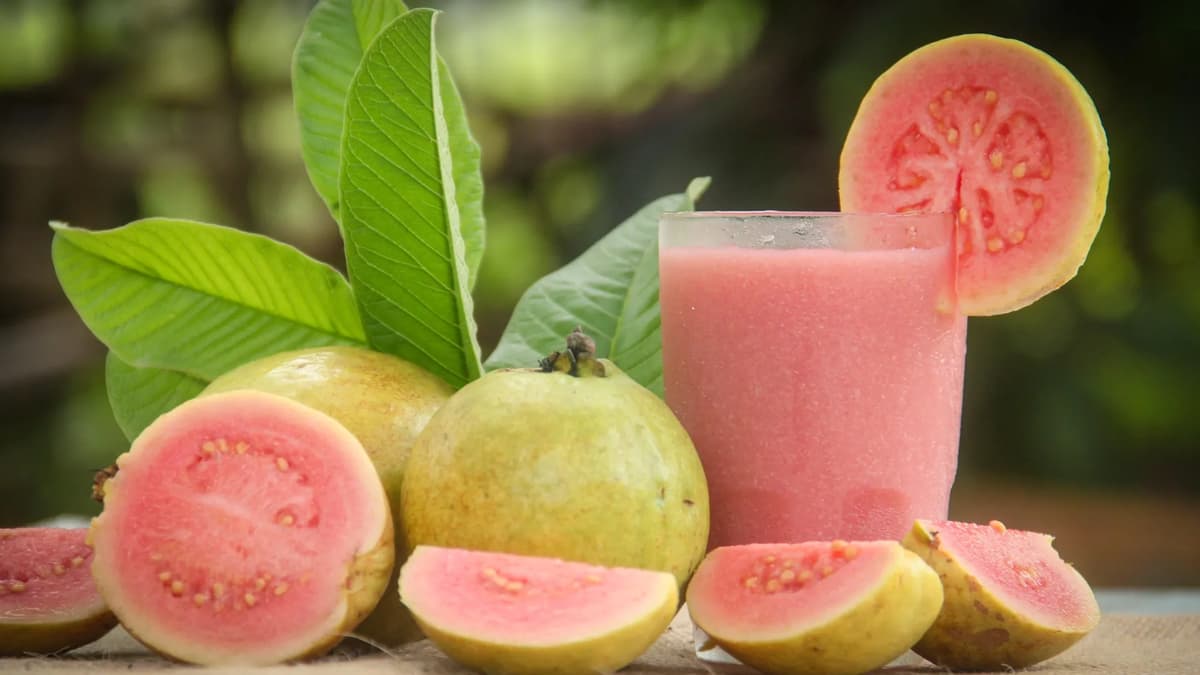
Scientists Say Guava Juice Could Make Iron Supplements Work Better
Why It Matters
Integrating guava juice could boost the efficacy of iron‑supplement programs, potentially lowering anemia rates among women and adolescents in low‑ and middle‑income settings. Enhanced hemoglobin translates into better health, productivity, and pregnancy outcomes, aligning with global nutrition goals.
Key Takeaways
- •Guava juice adds ~1.7 g/dL hemoglobin increase.
- •Combination raises hemoglobin 1.29 g/dL versus iron alone.
- •Study pool: 235 Indonesian women and girls.
- •Vitamin C in guava boosts plant‑iron absorption.
- •Evidence limited to Indonesia; larger trials needed.
Pulse Analysis
Iron‑deficiency anemia remains a leading public‑health challenge in low‑ and middle‑income countries, especially for pregnant women and adolescent girls. Conventional iron tablets often suffer from poor absorption and side‑effects that limit adherence. Nutrition science has long recognized vitamin C as a potent enhancer of non‑heme iron uptake, but practical, scalable solutions have been scarce. Guava, a tropical fruit abundant in Southeast Asia, delivers up to four times the vitamin C of oranges, positioning it as a promising dietary lever to improve iron bioavailability.
The BMJ Nutrition review synthesized data from 17 Indonesian investigations, including 12 that quantified hemoglobin response in 235 participants. On average, participants who consumed guava juice alongside iron supplements saw a 1.71 g/dL rise in hemoglobin, with a differential gain of 1.29 g/dL over iron‑only groups. Such increments can shift individuals from mild or moderate anemia to normal ranges, reducing fatigue, cognitive decline, and pregnancy complications. Moreover, guava juice is inexpensive, locally produced, and already culturally accepted, making it a feasible addition to school meals, antenatal care kits, or community health initiatives.
Despite encouraging numbers, the evidence base is narrow: all trials were conducted in Indonesia, most were quasi‑experimental, and follow‑up periods were short. Policymakers therefore need robust, multi‑country randomized controlled trials to confirm optimal dosing, duration, and long‑term safety. If validated, guava‑enhanced iron programs could dovetail with the United Nations’ Decade of Action on Nutrition, delivering a cost‑effective, food‑based strategy that complements pharmaceutical supplementation and advances global anemia‑reduction targets.
Scientists say guava juice could make iron supplements work better
Comments
Want to join the conversation?
Loading comments...