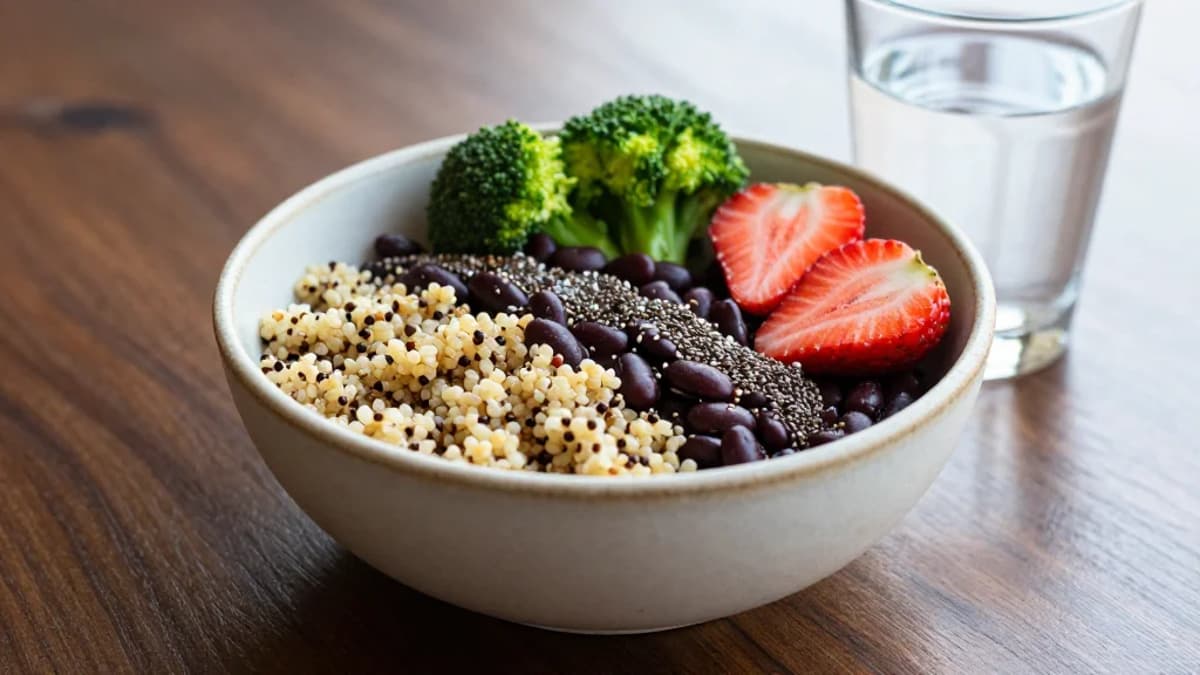
Scientists Say This Simple Diet Change Could Transform Your Gut Health
•March 8, 2026
0
Why It Matters
Adequate fiber directly improves healthspan by reducing chronic disease risk and strengthening gut health, a priority for aging populations. The insight fuels consumer demand for fiber‑rich foods and functional supplements.
Key Takeaways
- •Fibermaxxing promotes meeting weight‑adjusted daily fiber recommendations
- •Adequate fiber reduces risk of obesity, diabetes, and cancers
- •Soluble fiber feeds gut microbes; insoluble fiber prevents constipation
- •Aim for 14 g fiber per 1,000 calories consumed
- •Gradual increase and hydration avoid fiber‑related digestive side effects
Pulse Analysis
The rise of "fibermaxxing" reflects a broader shift from merely extending lifespan to enhancing healthspan. As the U.S. population ages, policymakers and insurers are increasingly focused on preventive nutrition that can curb costly chronic conditions. By tying fiber intake to caloric consumption—about 14 grams per 1,000 calories—experts provide a scalable metric that resonates with both clinicians and fitness‑focused consumers, driving demand for high‑fiber product lines and personalized diet platforms.
Scientific consensus underscores the distinct roles of soluble and insoluble fiber in gut ecology. Soluble fiber forms a gel that slows glucose absorption, moderates cholesterol, and serves as a fermentable substrate for beneficial microbiota, producing short‑chain fatty acids that reinforce intestinal barrier function. Insoluble fiber, by contrast, adds bulk, accelerates transit, and reduces constipation risk. Balancing these types—approximately one part soluble to two parts insoluble—optimizes metabolic outcomes, supports weight management, and may lower incidence of colorectal, breast, and prostate cancers.
For practitioners and food manufacturers, the practical takeaway is clear: encourage gradual fiber increases, pair intake with ample hydration, and consider fortified supplements for populations falling short of recommendations. Retailers are already expanding shelf space for whole‑grain breads, legume‑based snacks, and fiber‑enhanced beverages. Meanwhile, digital health apps integrate the 14‑gram‑per‑1,000‑calorie rule into personalized meal planning, reinforcing adherence and tracking. This convergence of science, consumer behavior, and product innovation positions fiber as a cornerstone of next‑generation nutrition strategies.
Scientists say this simple diet change could transform your gut health
0
Comments
Want to join the conversation?
Loading comments...