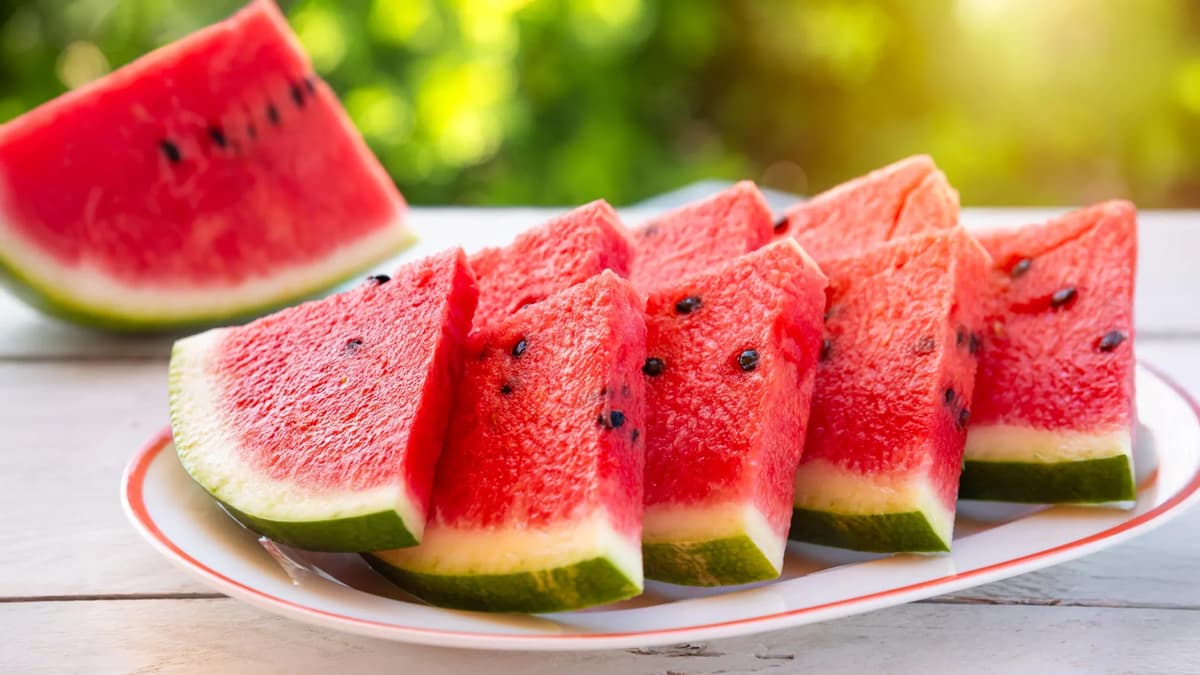
Scientists Uncover Surprising Health Benefits of Watermelon
Why It Matters
Watermelon’s nutrient profile and bioactive compounds could support heart health and help close the U.S. fruit‑consumption gap, offering a simple dietary tool for metabolic wellness.
Key Takeaways
- •Watermelon eaters show higher intake of fiber, magnesium, potassium.
- •L‑citrulline in watermelon boosts nitric oxide, aiding vessel relaxation.
- •Clinical trial links daily watermelon juice to maintained vascular function.
- •Lycopene-rich red varieties may lower oxidative stress and heart risk.
- •Two‑cup serving provides only 80 calories and 25% vitamin C.
Pulse Analysis
Americans consistently fall short of the Dietary Guidelines’ recommendation of 1.5‑2.5 cups of fruit per day, making nutrient‑dense options like watermelon especially valuable. A recent analysis of NHANES data revealed that individuals who include watermelon in their diets not only meet higher fruit‑serving targets but also consume more essential micronutrients—fiber, magnesium, potassium, vitamin C, and lycopene—while reducing added sugars and saturated fats. This pattern suggests that watermelon can serve as a catalyst for overall diet quality improvement, addressing a persistent public‑health gap.
Beyond basic nutrition, watermelon contains L‑citrulline and L‑arginine, amino acids that fuel nitric‑oxide synthesis, a critical pathway for vascular dilation. In a double‑blind crossover trial, 18 healthy adults who drank watermelon juice for two weeks maintained vascular function during induced hyperglycemia, indicating a protective effect against endothelial stress. The findings align with broader research showing that L‑citrulline supplementation can lower pulse‑wave velocity and improve endothelial responsiveness, positioning watermelon as a functional food with tangible cardio‑metabolic benefits.
The growing scientific interest has spurred industry attention, with food manufacturers exploring watermelon‑derived ingredients for beverages and snack bars aimed at heart‑health consumers. However, experts caution that most evidence stems from small or short‑term studies; larger, longitudinal trials are needed to confirm long‑term outcomes. For now, nutritionists recommend incorporating two‑cup servings—roughly 80 calories and 25% of the daily vitamin C value—into meals or post‑exercise routines to boost hydration, antioxidant intake, and overall dietary quality.
Scientists uncover surprising health benefits of watermelon
Comments
Want to join the conversation?
Loading comments...