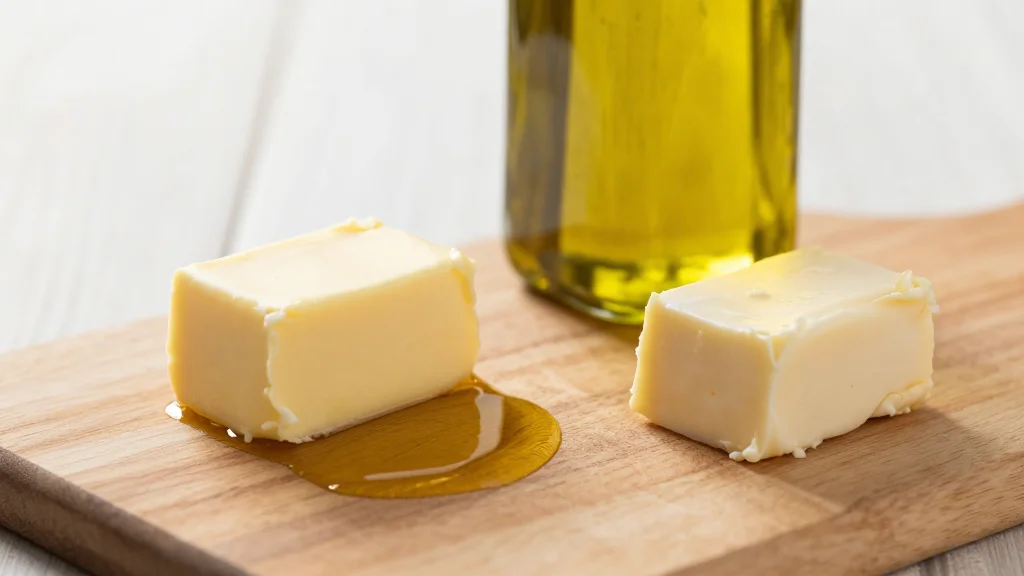
Seed Oil Panic: RFK Jr. And Influencers Made Linoleic Acid a Dietary Villain and Heart Risk. Evidence Points the Other Way — Replacing Them with Animal Fat Is.
Key Takeaways
- •Seed‑oil hype stems from influencer claims, not scientific consensus
- •Linoleic acid intake does not increase inflammation in typical diets
- •RCTs show polyunsaturated fats cut heart‑disease risk versus saturated fats
- •2026 guidelines now accept butter, tallow, and olive oil together
Pulse Analysis
The controversy over seed oils illustrates how celebrity advocacy can eclipse decades of nutritional science. Robert F. Kennedy Jr. and a cadre of online personalities have framed linoleic acid—a predominant omega‑6 fatty acid in many vegetable oils—as a dietary villain, linking it to inflammation and heart disease. This narrative gained traction just as the U.S. Dietary Guidelines for 2026 were being revised, prompting policymakers to broaden the list of approved cooking fats to include butter, beef tallow, and olive oil. The shift reflects a growing recognition that the binary "seed oil bad, animal fat good" framing oversimplifies a complex evidence base.
Scientific consensus, however, tells a different story. Large‑scale randomized controlled trials and systematic reviews consistently demonstrate that replacing saturated fats with polyunsaturated fats—such as those found in soybean, canola, and sunflower oils—reduces LDL cholesterol and lowers the incidence of myocardial infarction and stroke. Importantly, the hypothesized mechanism that dietary linoleic acid triggers systemic inflammation has not been substantiated at typical consumption levels. Human studies show neutral or even modest anti‑inflammatory effects, contrasting sharply with the alarmist claims circulating on social media.
For clinicians, policymakers, and consumers, the takeaway is clear: dietary recommendations should be anchored in robust clinical evidence rather than viral rhetoric. The inclusion of butter and tallow alongside plant oils in the 2026 guidelines underscores a nuanced approach that prioritizes overall fat quality and dietary patterns over singular nutrient vilification. As the food industry continues to market both seed oils and animal fats, transparent communication about the relative risks and benefits will be essential to guide healthier eating habits and curb misinformation.
Seed oil panic: RFK Jr. and influencers made linoleic acid a dietary villain and heart risk. Evidence points the other way — replacing them with animal fat is.
Comments
Want to join the conversation?