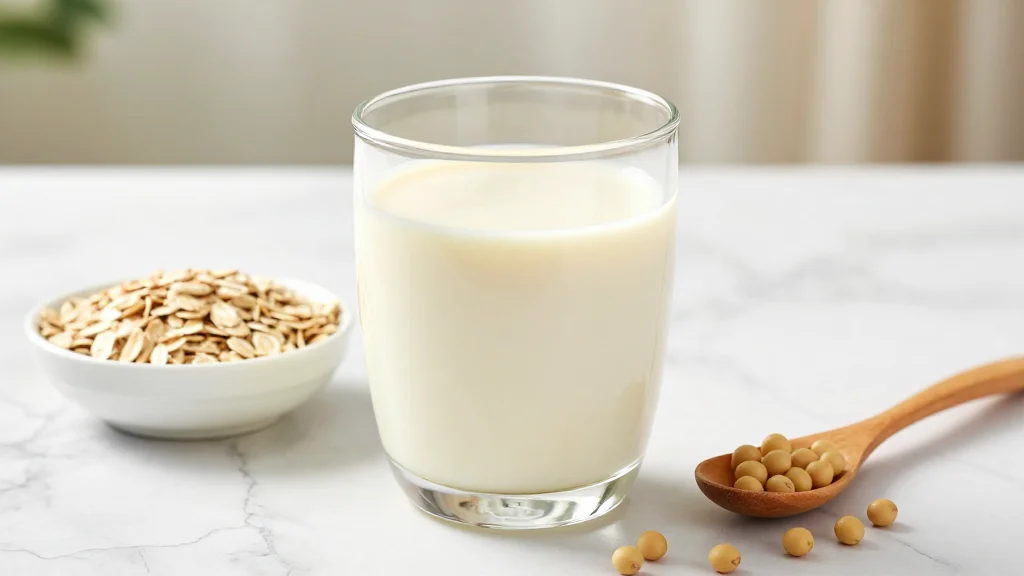
Soy Milk Tops Protein Rankings for Coffee, Baking and Oatmeal, Dietitian Says

Why It Matters
Protein intake is a central concern for consumers transitioning away from dairy, especially athletes, older adults, and parents seeking balanced nutrition for children. Rizzo’s ranking provides a trusted, expert‑backed reference that can influence purchasing decisions and shape product development across the plant‑milk sector. By highlighting soy and pea milks as the most protein‑dense options, the article helps bridge the nutrition gap that many fear when eliminating cow’s milk. The broader impact extends to public health messaging and industry regulation. As fortified plant milks become mainstream, nutrition guidelines may begin to reference specific plant‑based categories, encouraging manufacturers to meet protein benchmarks comparable to dairy. This could drive innovation, lower costs, and expand access to nutrient‑rich dairy alternatives for underserved populations.
Key Takeaways
- •Soy milk provides 8 g of protein per cup, matching cow’s milk.
- •Pea milk also delivers about 8 g of protein per serving and is fortified with vitamins and minerals.
- •Almond, oat and rice milks typically contain 1‑3 g of protein per cup.
- •Registered dietitian Natalie Rizzo recommends soy milk for coffee, baking and oatmeal due to its neutral flavor and protein content.
- •Plant‑based milk sales have grown double‑digit in the U.S. over the past year, intensifying demand for high‑protein options.
Pulse Analysis
The ranking underscores a maturation of the plant‑based milk market from novelty to nutrition‑focused categories. Early adopters gravitated toward oat and almond milks for taste, but as the consumer base expands to include fitness enthusiasts and families, protein content has become a decisive factor. Soy milk’s long‑standing presence and robust protein profile give it a competitive edge, yet its association with soy allergies and GMO concerns leaves room for pea milk to capture market share, especially among allergy‑sensitive shoppers.
From a strategic perspective, manufacturers are likely to double down on fortification and protein enrichment to meet the benchmark set by soy and pea milks. Companies that can deliver comparable protein levels with cleaner ingredient lists—such as non‑GMO, low‑phytate formulations—could differentiate themselves in a crowded shelf. This dynamic may also spur consolidation, as larger dairy‑alternative brands acquire niche pea‑milk startups to broaden their portfolios.
Looking ahead, the next wave of innovation may focus on blending protein sources (e.g., soy‑pea hybrids) or incorporating novel legumes like lupin to boost amino‑acid completeness. Regulatory bodies might respond by establishing minimum protein standards for plant‑based milks, mirroring dairy regulations, which would further legitimize these products in institutional settings such as schools and hospitals. Rizzo’s expert ranking thus not only guides today’s shopper but also signals where industry investment and policy attention are likely to converge.
Soy Milk Tops Protein Rankings for Coffee, Baking and Oatmeal, Dietitian Says
Comments
Want to join the conversation?
Loading comments...