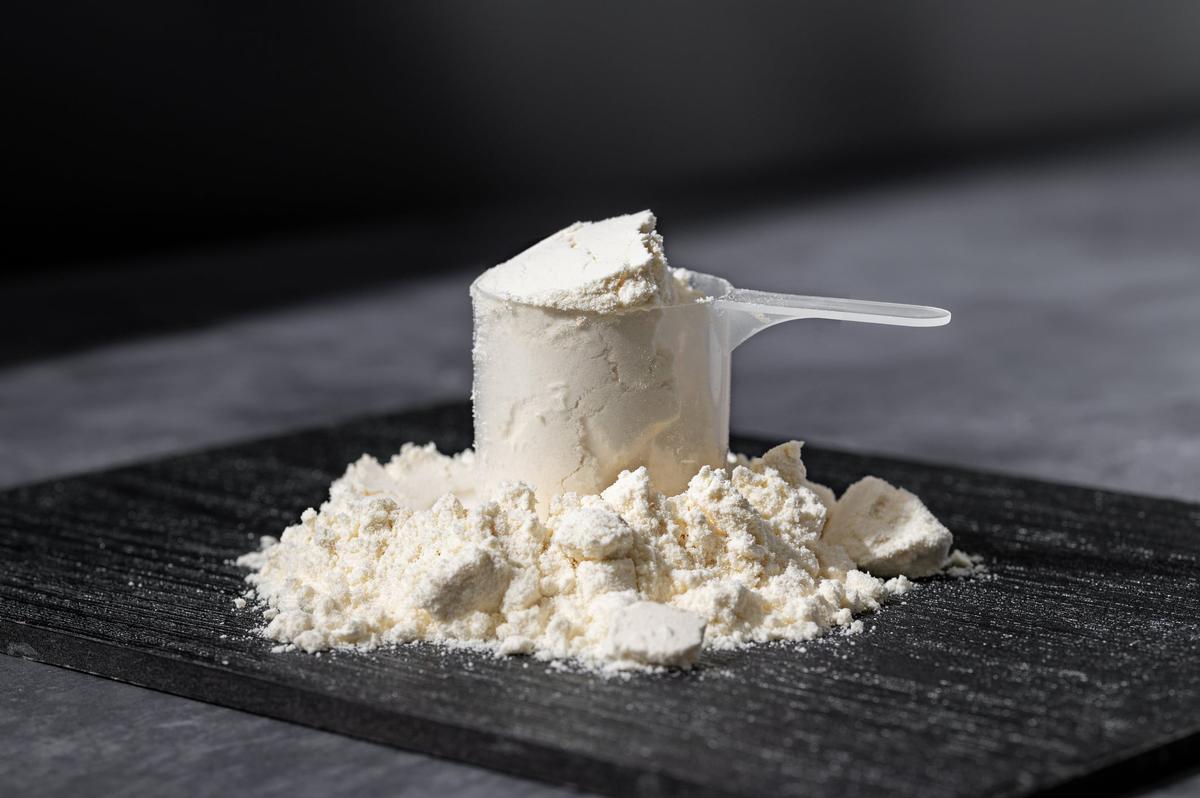
Study Explores Potential of Hydrolyzed Whey Protein After Lactic Acid Modification
Why It Matters
The findings suggest WPel could deliver stronger anabolic benefits while mitigating gastrointestinal discomfort, positioning it as a premium ingredient for sports nutrition and functional foods.
Key Takeaways
- •Lactylated hydrolyzed whey protein raises leucine content by ~20%
- •Human trial shows 10% dose improves grip strength and muscle mass
- •In vitro tests reveal faster digestion and lower pancreatic enzyme demand
- •Potential applications extend to baking and yogurt due to enhanced water‑oil holding
Pulse Analysis
Whey protein remains a cornerstone of the sports‑nutrition market, yet traditional formulations can trigger gastrointestinal distress, especially for lactose‑intolerant consumers. Hydrolyzing whey breaks protein chains into smaller peptides, improving absorption, but the latest innovation adds a lactylation step—treating the hydrolysate with lactic acid. This chemical tweak not only elevates the leucine profile, a key driver of muscle protein synthesis, but also alters the protein’s physicochemical properties, enabling quicker uptake with minimal pancreatic enzyme activation. The result is a more tolerable, potentially more effective supplement for athletes and health‑focused individuals.
The 2026 study provides the first human evidence that a modest 10% inclusion of lactylated hydrolyzed whey protein (WPel) can outperform standard whey in anabolic outcomes. Over a 90‑day period, participants receiving 800 mg·kg⁻¹ body weight per day of WPel exhibited measurable gains in grip strength, lean muscle mass, and reductions in body‑fat percentage. Molecular analyses linked these benefits to heightened activation of the p‑S6K and p‑mTOR pathways, confirming the leucine‑driven boost in protein synthesis. While the trial size was limited and lacked an exercise component, the statistically significant results underscore WPel’s promise as a functional nutrient that can amplify muscle‑building signals without the need for high‑dose supplementation.
Beyond sports performance, WPel’s enhanced water‑ and oil‑holding capacities open doors for the broader food sector. Bakers and dairy producers could leverage these properties to improve texture, moisture retention, and shelf‑life in products such as breads, pastries, and yogurts. As consumer demand for protein‑rich, gut‑friendly foods rises, manufacturers may adopt WPel to differentiate their offerings. However, regulatory clearance and larger, exercise‑focused trials will be essential to validate efficacy claims and secure market adoption. The convergence of nutritional science and food‑technology in WPel exemplifies the next wave of functional protein ingredients poised to reshape both supplement aisles and everyday food products.
Study explores potential of hydrolyzed whey protein after lactic acid modification
Comments
Want to join the conversation?
Loading comments...