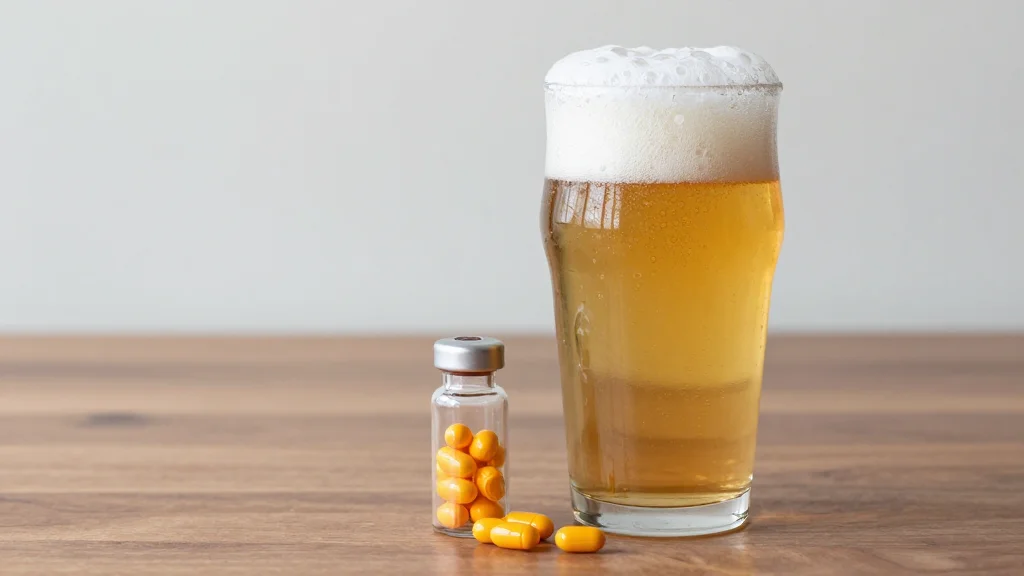
Study Finds a Pint of Beer Supplies About 15% of Daily Vitamin B6

Why It Matters
The discovery that a common alcoholic beverage can contribute a measurable share of vitamin B6 adds a new layer to the nutrition‑alcohol debate. It challenges the binary view of beer as purely a source of empty calories, prompting nutritionists to weigh modest micronutrient benefits against the well‑documented risks of alcohol consumption. For policymakers, the study underscores the need for clear labeling standards that prevent overstated health claims while allowing consumers to make informed choices about their overall nutrient intake. For the beverage industry, the data could spark interest in developing beers with enhanced vitamin profiles, especially as consumers seek functional drinks. However, any such innovation would have to navigate strict advertising regulations and public health scrutiny, ensuring that the promotion of nutritional benefits does not encourage higher alcohol consumption.
Key Takeaways
- •A pint of beer provides about 15% of the recommended daily vitamin B6 intake.
- •Study tested 65 German beers, finding B6 levels between 0.3 mg and 1 mg per litre.
- •Traditional bock beers had the highest B6 content due to higher alcohol levels.
- •Prof Michael Rychlik says the amount is insufficient for regulatory health claims.
- •British Nutrition Foundation cautions against viewing beer as a primary nutrient source.
Pulse Analysis
The beer‑B6 link arrives at a time when functional beverages are gaining market traction. Consumers increasingly scan labels for vitamins, electrolytes and probiotics, and manufacturers are quick to capitalize on any perceived health edge. Yet the regulatory environment for alcohol remains stringent; the UK’s Advertising Standards Authority and the EU’s health claim regulations require robust evidence and clear benefit thresholds. The study’s modest B6 contribution falls short of these benchmarks, meaning any branding effort would likely be limited to subtle messaging rather than overt health claims.
Historically, alcohol has been framed as a nutrient‑free indulgence, with occasional references to its caloric content. This research nudges the narrative toward a more nuanced view, acknowledging that brewing ingredients inherently carry micronutrients. However, the public health consensus still prioritizes moderation, given alcohol’s links to liver disease, cancer and addiction. The challenge for the industry will be to balance the appeal of a “vitamin‑boosted” pint with responsible drinking guidelines, perhaps by focusing on low‑alcohol or alcohol‑free variants that retain B6 without the associated risks.
Future research could explore fortification strategies that amplify B6 levels without compromising taste or safety, mirroring trends in fortified waters and sports drinks. If successful, such products might occupy a niche between traditional beer and health‑focused beverages, offering a low‑risk way for consumers to supplement their micronutrient intake. Until then, nutrition experts will likely continue to advise that a balanced diet—not a pint—remains the most reliable source of vitamin B6.
Study Finds a Pint of Beer Supplies About 15% of Daily Vitamin B6
Comments
Want to join the conversation?
Loading comments...