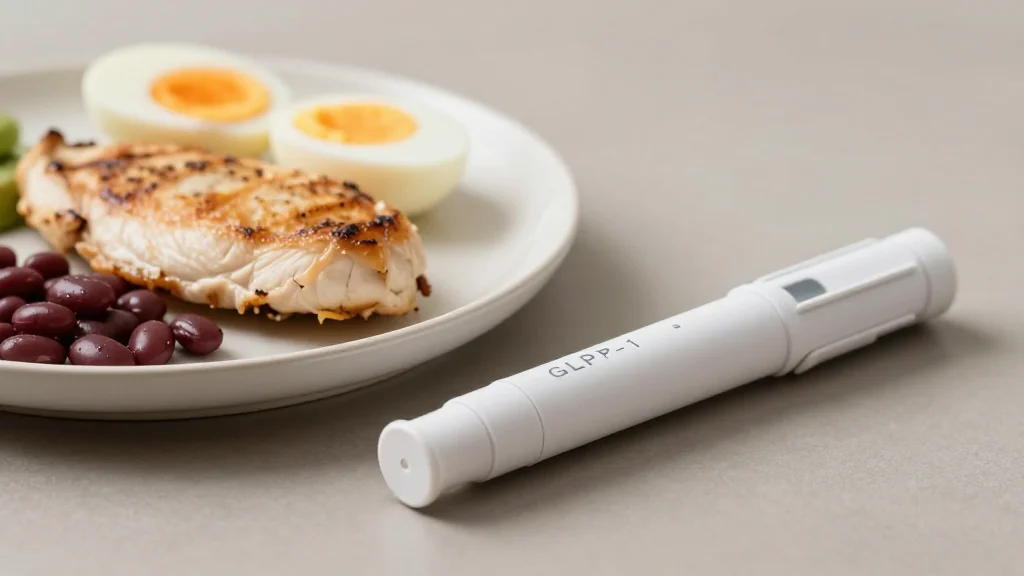
Study Finds Protein Deficiencies in Users of Ozempic and Mounjaro

Why It Matters
Protein is essential for preserving lean body mass, immune function, and metabolic health. Deficiencies among users of powerful appetite‑suppressing drugs could lead to sarcopenia, frailty, and reduced quality of life, especially in older adults who are already at risk. The study spotlights a gap in current clinical practice: while the efficacy of GLP‑1 drugs for weight loss is well documented, their nutritional side effects have received far less attention. Addressing this gap could improve patient outcomes, reduce healthcare costs associated with muscle‑related complications, and set a precedent for nutritional monitoring in other drug‑induced weight‑loss strategies. Furthermore, the findings may influence how insurers and policymakers view coverage for adjunctive nutrition services. If protein monitoring becomes a standard component of GLP‑1 therapy, it could drive demand for dietitian referrals, supplemental protein products, and integrated care pathways, reshaping the economics of obesity treatment.
Key Takeaways
- •Real‑world study finds adults on Ozempic or Mounjaro eat significantly less protein.
- •Protein intake falls below daily recommended levels, raising muscle‑loss concerns.
- •Researchers call for routine nutritional monitoring for GLP‑1 patients.
- •Potential for new prescribing guidelines that include dietitian referrals.
- •Calls for larger controlled trials to quantify long‑term effects.
Pulse Analysis
The emergence of protein deficiencies among GLP‑1 users signals a classic case of unintended consequences when a drug’s primary benefit—appetite suppression—overrides its secondary nutritional impacts. Historically, weight‑loss interventions have wrestled with the trade‑off between calorie reduction and nutrient adequacy; what’s new is the scale at which pharmacologic agents are now being deployed. The rapid adoption of Ozempic and Mounjaro, driven by aggressive marketing and high patient demand, has outpaced the development of comprehensive care protocols that address macro‑ and micronutrient needs.
From a market perspective, this research could open a niche for companies that provide protein‑focused medical nutrition products, especially those formulated for patients with reduced appetite. It also creates an opportunity for digital health platforms to integrate dietary tracking and automated alerts for clinicians. Meanwhile, manufacturers of GLP‑1 drugs may face pressure to fund post‑marketing studies that specifically assess muscle mass outcomes, potentially influencing future labeling and risk‑management strategies.
Looking forward, the key question is whether the healthcare system will adapt quickly enough to embed nutrition surveillance into standard GLP‑1 therapy. If insurers begin to reimburse dietitian services and protein supplementation, we could see a new, more holistic model of obesity treatment that balances pharmacology with nutrition science. Conversely, failure to act could result in a wave of preventable muscle‑loss cases, eroding the long‑term credibility of these once‑heralded weight‑loss solutions.
Study Finds Protein Deficiencies in Users of Ozempic and Mounjaro
Comments
Want to join the conversation?
Loading comments...