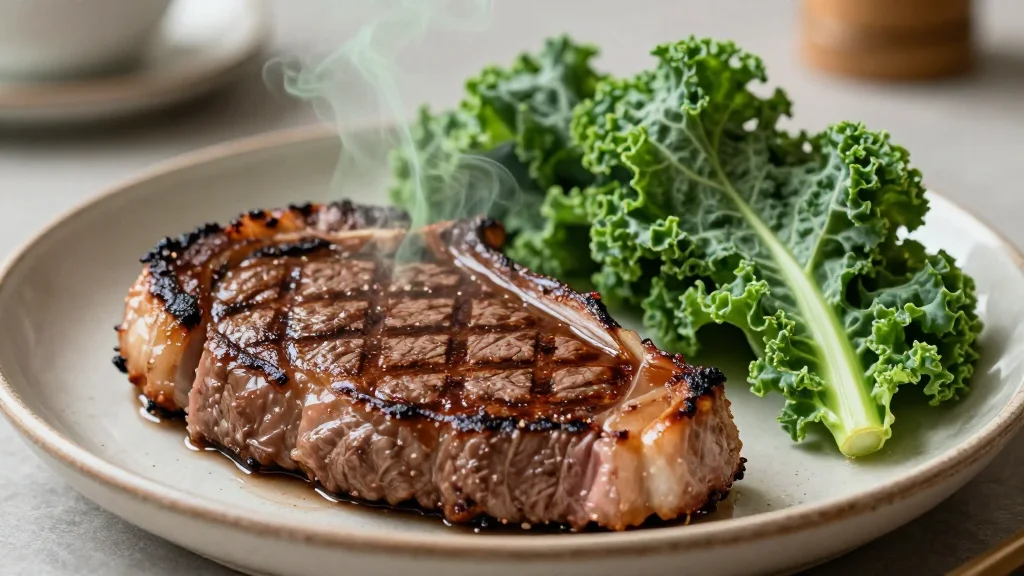
Study Warns 2025‑30 US Dietary Guidelines Could Boost Protein‑related GHG Emissions by up to 32%

Why It Matters
The findings intersect two of the most pressing public‑policy challenges—improving American diet quality and meeting climate targets. If the DGAs inadvertently encourage more meat consumption, the United States could see a measurable uptick in agricultural emissions, undermining national pledges under the Paris Agreement. Conversely, a clear shift toward plant‑based protein in federal guidance could accelerate market demand for legumes, nuts and alternative proteins, driving down the carbon intensity of the food system. Beyond emissions, the study highlights equity concerns. Higher‑protein recommendations that default to animal sources may raise food costs for vulnerable populations, while the water‑saving benefits of reduced UPFs are unevenly distributed across regions. Integrating environmental metrics into dietary guidance could help align health equity with sustainability, ensuring that low‑income communities are not left bearing the climate costs of dietary transitions.
Key Takeaways
- •PNAS study links the 2025‑30 DGAs to a potential 32% rise in GHG emissions if protein intake shifts toward animal sources.
- •Removing ultra‑processed foods cuts freshwater use by 7‑19% but does not offset increased land, nitrogen and emissions from higher animal protein.
- •A high‑protein (1.6 g/kg) diet based on plant proteins shows far lower environmental impact than its animal‑protein counterpart.
- •Current U.S. beef supply could only support about 50% of a nationwide shift to grass‑fed beef, limiting feasibility of a meat‑centric “real foods” narrative.
- •The DGAs influence federal nutrition programs, school meals and food industry product development, making their climate implications far‑reaching.
Pulse Analysis
The study underscores a growing tension between nutritional guidelines and climate policy that has been simmering for years. Historically, the DGAs have focused on disease prevention, emphasizing fruits, vegetables and whole grains while gradually tightening limits on saturated fat and sodium. The latest iteration adds a quantitative protein target without a clear source directive, effectively leaving the market to interpret the recommendation. This ambiguity creates an opening for meat producers to market “natural” or “grass‑fed” cuts as the health‑forward choice, even though the environmental data suggest otherwise.
From a market perspective, the analysis could catalyze a shift in product development. Food manufacturers have already begun to invest heavily in plant‑based meat analogues, but the pace may accelerate if the USDA revises the DGAs to explicitly favor plant proteins. Such a policy signal would likely spur further R&D funding, scale‑up of legume processing infrastructure, and potentially lower consumer prices for plant‑based options. Conversely, meat industry groups may lobby for language that preserves animal protein flexibility, arguing that consumer choice and cultural preferences merit a balanced approach.
Looking ahead, the real test will be whether future DGAs integrate lifecycle‑assessment metrics into their recommendation framework. If they do, the guidelines could become a powerful lever for aligning public health with climate goals, driving a systemic transition toward lower‑impact protein sources. If not, the United States risks perpetuating a dietary paradox: healthier eating patterns that inadvertently increase the nation’s carbon footprint. The upcoming advisory committee meeting, slated for late 2026, will be the critical arena where these competing priorities clash and, ultimately, where the next chapter of American nutrition policy will be written.
Study warns 2025‑30 US Dietary Guidelines could boost protein‑related GHG emissions by up to 32%
Comments
Want to join the conversation?
Loading comments...