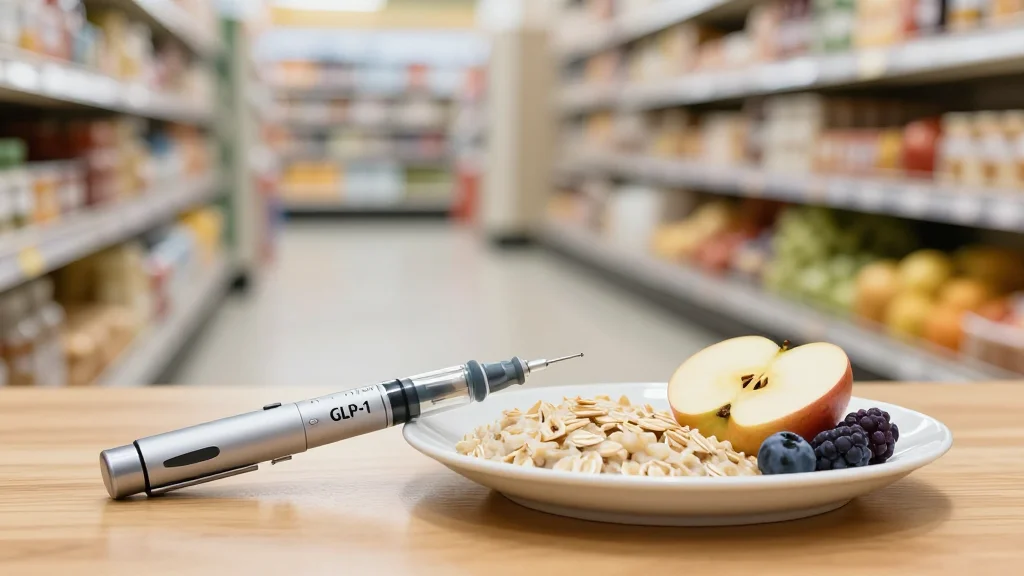
Study Warns Weight‑Loss Drugs May Deepen UK Health Inequalities

Why It Matters
The analysis spotlights a looming public‑health dilemma: breakthrough obesity drugs could become a luxury benefit rather than a universal solution. If socioeconomic disparities dictate who truly benefits, the UK risks entrenching a two‑tier system where wealthier patients achieve lasting health gains while poorer groups see only temporary weight loss. This could exacerbate existing gaps in diabetes and cardiovascular disease rates, driving up long‑term healthcare costs and undermining equity goals. Beyond the UK, the findings resonate globally as GLP‑1 therapies roll out across Europe and North America. Policymakers elsewhere will need to anticipate similar equity challenges and design support structures that ensure the drugs’ promise translates into population‑wide health improvements.
Key Takeaways
- •2.4 million Britons are currently using GLP‑1 weight‑loss injections such as Wegovy and Mounjaro.
- •Researchers from Cambridge and UCL published a *Nature Medicine* analysis warning of widening health inequalities.
- •Dr Adrian Brown (UCL) called obesity treatment a "social and structural" issue requiring dietary support.
- •Dr Marie Spreckley (Cambridge) highlighted the risk of uneven long‑term benefits without affordable nutrition.
- •Authors recommend integrated NHS pathways linking drug prescriptions to subsidised food and care programs.
Pulse Analysis
The UK’s obesity crisis has long been a policy priority, but the advent of GLP‑1 drugs has shifted the conversation from lifestyle management to pharmaceutical intervention. Historically, weight‑loss programs have struggled with adherence, especially among low‑income groups lacking access to healthy foods. The new drugs promise rapid results, yet the Independent’s analysis underscores that without addressing the underlying social determinants of health, the technology could simply amplify existing inequities.
From a market perspective, the GLP‑1 segment is booming, with manufacturers forecasting billions in annual sales. However, the NHS’s constrained budget and the high price tag of these injections create a classic supply‑demand tension: patients who can afford private treatment already see dramatic weight loss, while publicly funded patients may receive the drug but lack the ancillary services needed for sustained success. This disparity could pressure the NHS to either subsidise complementary nutrition programs—potentially inflating short‑term costs—or risk a public backlash if outcomes appear skewed toward wealthier demographics.
Looking forward, the key to unlocking the full public‑health potential of GLP‑1 therapies lies in a holistic approach. Policymakers should treat the drugs as a catalyst for broader lifestyle reforms, integrating them into community health initiatives, food‑price subsidies, and digital coaching platforms. If the UK can align drug access with robust support structures, it may set a template for other nations grappling with the same equity dilemma. Failure to do so, however, could cement a new class of ‘pharma‑enabled’ health privilege, undermining decades of progress toward universal health equity.
Study Warns Weight‑Loss Drugs May Deepen UK Health Inequalities
Comments
Want to join the conversation?
Loading comments...