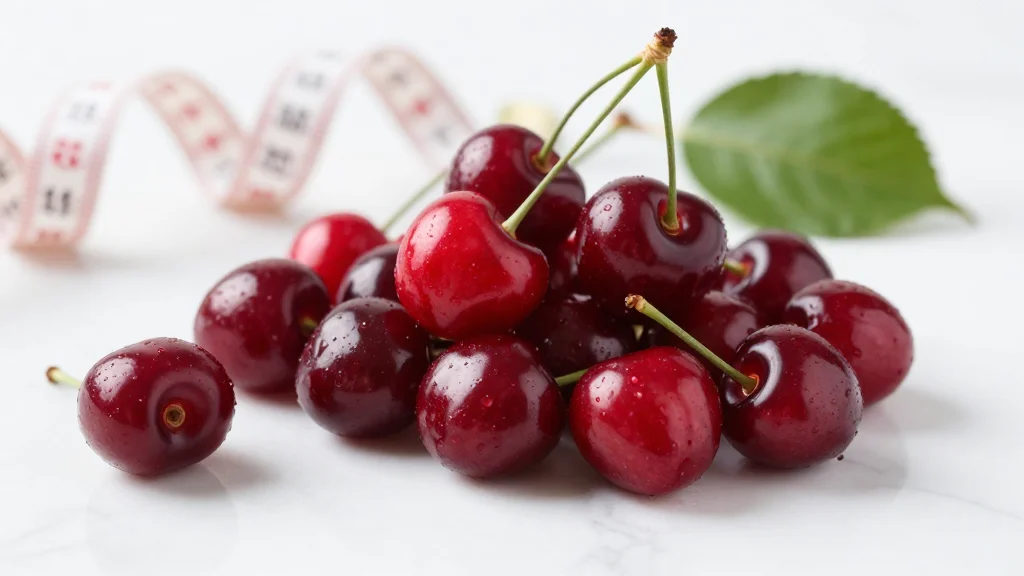
Tart Cherries (Prunus Cerasus) and Metabolic Health in Overweight and Obesity: Evidence From Preclinical and Clinical Studies
Why It Matters
Tart cherries offer a low‑cost, nutrient‑dense option that could complement lifestyle strategies for obesity‑related metabolic risk, but clear clinical guidance is needed to translate promising lab findings into practice.
Key Takeaways
- •Animal studies show tart cherries reduce inflammation and improve insulin sensitivity
- •Human trials report modest blood pressure drops with cherry supplementation
- •Effects on cholesterol, glucose, and weight remain inconclusive across studies
- •Anthocyanin content varies by cultivar, processing, and storage conditions
- •Standardized dosing and product form needed for clearer clinical guidance
Pulse Analysis
Tart cherries have surged into the spotlight as a potential dietary ally against obesity‑related metabolic dysfunction. Rich in anthocyanins, flavanols, and a modest array of vitamins, these sour fruits deliver antioxidant and anti‑inflammatory compounds that animal models consistently link to improved insulin signaling, lower circulating cytokines, and healthier lipid profiles. For clinicians and nutritionists, the appeal lies in a whole‑food approach that sidesteps pharmaceutical side effects while leveraging bioactive synergy inherent in the fruit’s matrix.
Human evidence, however, paints a more nuanced picture. Controlled trials involving participants with BMI ≥ 25 kg/m² report modest systolic blood‑pressure reductions—often 3 to 5 mm Hg—after daily consumption of tart‑cherry juice or concentrate. Inflammatory markers such as C‑reactive protein also trend downward, yet changes in cholesterol fractions, fasting glucose, and body‑weight metrics remain statistically ambiguous. These inconsistencies stem partly from heterogeneous study designs: varying dosages (ranging from 30 ml juice to 200 g frozen fruit), differing cherry cultivars, and lack of standardization in processing, which can strip up to 75 % of anthocyanins during pasteurization.
The path forward demands rigorous, dose‑response research that isolates the active phytochemicals and assesses bioavailability in diverse populations. Standardizing product forms—whether freeze‑dried powder, juice, or whole fruit—will enable meta‑analyses that clarify efficacy thresholds. If future trials confirm cardiovascular and anti‑inflammatory benefits at realistic consumption levels, tart cherries could become a staple recommendation in obesity management protocols, offering a cost‑effective, culturally adaptable option for patients seeking nutrition‑based interventions.
Tart cherries (Prunus cerasus) and metabolic health in overweight and obesity: evidence from preclinical and clinical studies
Comments
Want to join the conversation?
Loading comments...