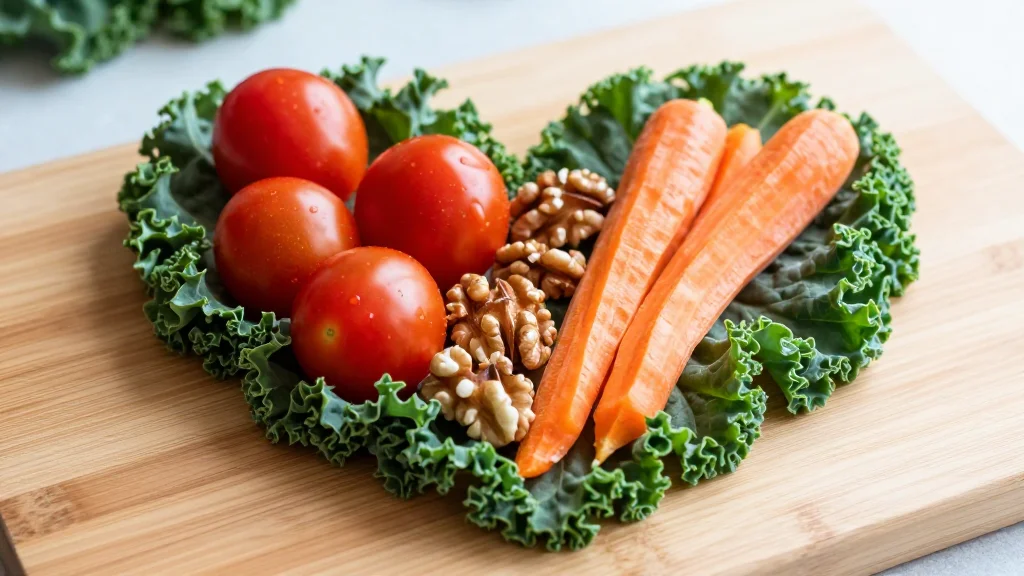
The AHA's New Eating Guidelines & How They Compare to Federal Nutrition Advice
Why It Matters
The updated guidance reshapes consumer expectations and industry product formulations, potentially lowering cardiovascular disease risk and influencing regulatory nutrition policy. Health‑focused brands that align with the AHA’s stricter standards may gain a competitive edge as clinicians and insurers promote these recommendations.
Key Takeaways
- •Ultraprocessed foods get dedicated feature, urging minimization.
- •Alcohol guidance tightened: avoid if not drinking, limit if you do.
- •AHA favors plant proteins, low‑fat dairy; federal accepts full‑fat dairy.
- •Red meat recommendation shifted to limited, lean cuts only.
- •Both guidelines align on whole foods, low added sugar, sodium.
Pulse Analysis
The AHA’s 2026 dietary framework marks a decisive shift toward a more restrictive heart‑healthy paradigm. By carving out a separate pillar for ultraprocessed foods, the association signals that the growing body of epidemiological evidence linking these products to obesity, type 2 diabetes, and cardiovascular events is no longer peripheral. The tightened alcohol stance—advocating abstention for non‑drinkers and strict limits for those who do—mirrors the 2025 AHA/ACC blood‑pressure guideline, underscoring the role of ethanol in hypertension and vascular inflammation. This evolution reflects a broader public‑health push to simplify dietary messaging around high‑risk items.
When juxtaposed with the federal Dietary Guidelines, the AHA’s recommendations diverge on three critical fronts: protein source, dairy fat content, and alcohol policy. While the federal guidance treats animal proteins and full‑fat dairy as acceptable alongside plant options, the AHA nudges consumers toward legumes, nuts, and low‑fat dairy to improve the unsaturated‑to‑saturated fat ratio. The red‑meat caveat—limiting intake to lean cuts—aligns with recent meta‑analyses linking processed and high‑fat meats to elevated heart disease risk. These distinctions are prompting food manufacturers to reformulate products, expand plant‑based lines, and reconsider dairy fat levels to meet dual compliance.
For businesses and health professionals, the practical takeaway is clear: aligning product portfolios and dietary counseling with the AHA’s stricter criteria can enhance market credibility and patient outcomes. As insurers increasingly tie reimbursement to evidence‑based nutrition standards, companies that pre‑emptively adopt low‑sugar, low‑sodium, and ultraprocessed‑free formulations may secure favorable coverage terms. Meanwhile, consumers seeking guidance will likely gravitate toward brands that transparently label protein sources, dairy fat content, and alcohol‑free options, reinforcing the AHA’s influence on the next wave of nutrition policy and market dynamics.
The AHA's New Eating Guidelines & How They Compare to Federal Nutrition Advice
Comments
Want to join the conversation?
Loading comments...