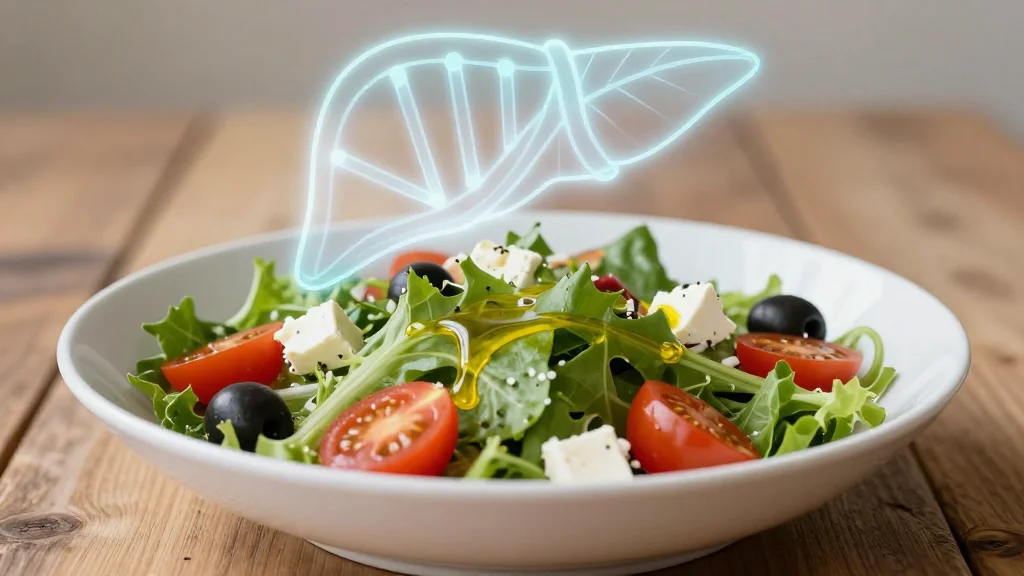
The Current Status and Emerging Trends in the Application of Precision Nutrition for the Comprehensive, Lifecycle-Based Management of Chronic Liver Diseases
Why It Matters
Precision nutrition offers a data‑driven way to personalize diet for CLD patients, potentially slowing disease progression and reducing healthcare costs. Its adoption could reshape liver‑disease treatment standards and create new market opportunities for biotech and health‑tech firms.
Key Takeaways
- •Precision nutrition tailors diets using genetics, metabolomics, and microbiome data.
- •Multidisciplinary teams improve outcomes across CLD stages, from early to decompensated.
- •Mediterranean diet plus exercise reduces hepatic fat and insulin resistance.
- •Protein and micronutrient supplementation preserves muscle mass in cirrhosis.
- •Barriers include immature tech, limited translation pathways, and absent standards.
Pulse Analysis
Chronic liver disease remains a global health crisis, affecting roughly 1.8 billion people and driving rising morbidity, mortality and health‑system costs. Traditional "one‑size‑fits‑all" dietary guidelines often fall short because they ignore the genetic, metabolic and microbiome diversity that shapes disease trajectories. Precision nutrition addresses this gap by integrating multi‑omics data with lifestyle information to craft individualized dietary plans that align with each patient’s disease stage, from early fatty liver to decompensated cirrhosis.
The review highlights concrete evidence that stage‑specific interventions can improve clinical outcomes. Early‑stage patients benefit from low‑energy Mediterranean diets combined with regular aerobic activity, which can cut hepatic fat and improve insulin sensitivity. In compensated cirrhosis, high‑quality protein sources and targeted micronutrient supplementation—especially vitamin D, zinc and selenium—help preserve muscle mass and curb sarcopenia. For decompensated disease, dynamic adjustments such as low‑sodium diets for ascites or graded protein intake for hepatic encephalopathy, supported by enteral or parenteral nutrition, are essential. Multidisciplinary teams that bring together hepatologists, dietitians, endocrinologists and mental‑health professionals amplify these benefits, as demonstrated by greater weight loss and enzyme improvements in collaborative trials.
Despite promising data, widespread adoption faces hurdles. The technology needed to collect, analyze and act on multi‑omics data is still maturing, and clear clinical pathways for integrating precision nutrition into routine care are lacking. Standardized protocols, reimbursement models and robust outcome studies are required to move from research to practice. As these gaps narrow, precision nutrition could become a cornerstone of CLD management, driving better patient outcomes, reducing long‑term costs, and opening new avenues for digital health platforms and nutrigenomics companies.
The current status and emerging trends in the application of precision nutrition for the comprehensive, lifecycle-based management of chronic liver diseases
Comments
Want to join the conversation?
Loading comments...