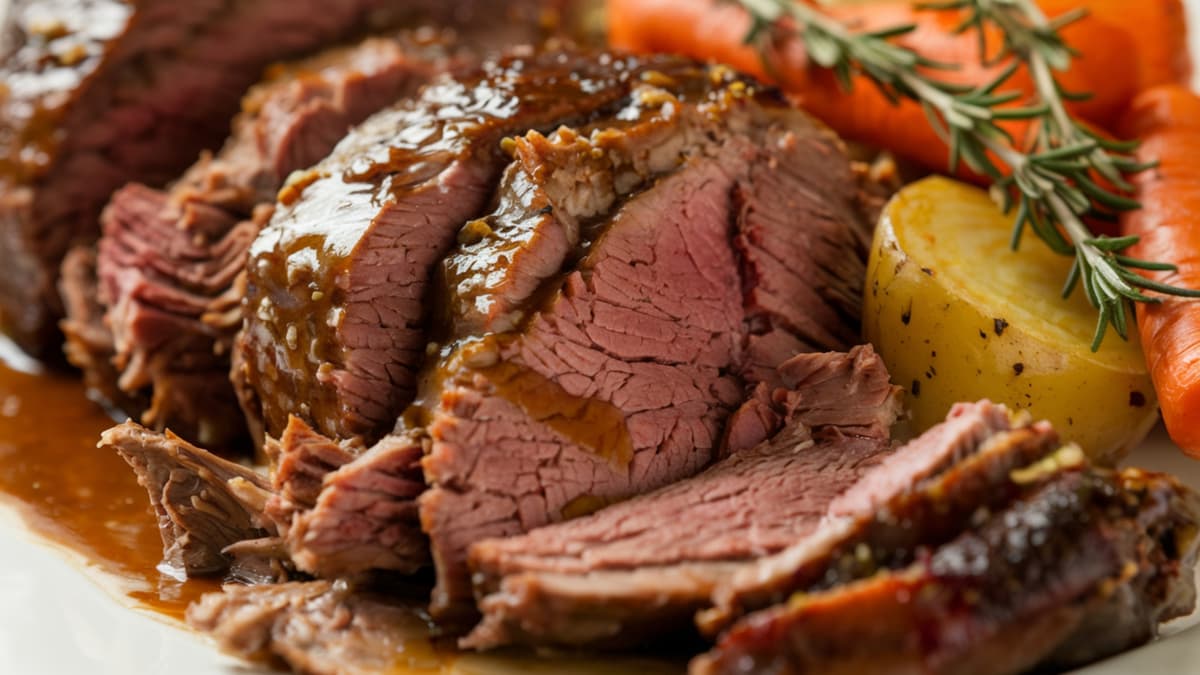
The Rookie Veggie Mistake That Makes Your Pot Roast Less Nutritious
Why It Matters
Retaining vegetable skins enhances the nutritional profile of a classic comfort dish and aligns with the growing consumer focus on whole‑food cooking. It also improves texture and flavor without additional cost or effort.
Key Takeaways
- •Peeling removes up to 30% of vegetable fiber
- •Potato skins retain potassium, iron, and vitamin C
- •Carrot skins provide extra antioxidants and vitamins
- •Slow cooking softens skins, preserving texture and flavor
Pulse Analysis
The habit of peeling root vegetables dates back to eras when produce was often blemished or contaminated, but modern agricultural standards and thorough washing make skins safe and nutrient‑dense. Scientific studies show that dietary fiber, largely housed in the epidermis, supports gut health, regulates blood sugar, and contributes to satiety. By keeping skins on carrots and potatoes in a pot roast, diners ingest more soluble and insoluble fiber, which can lower cholesterol and improve digestive regularity, especially valuable in a meal that’s typically high in protein and fat.
Beyond health, the micronutrients concentrated in skins—potassium in potatoes, iron and vitamin C in the skin layer—play critical roles in electrolyte balance, oxygen transport, and immune function. When a pot roast simmers for several hours, the prolonged heat breaks down the cellulose structure, making the skins tender while preserving their nutrient content. This contrasts with quick‑sauté techniques where skins may remain tough and less palatable. Consequently, slow‑cooker enthusiasts and traditional braisers can achieve a nutritionally superior dish without compromising texture.
From a culinary perspective, the earthy bitterness of vegetable peels adds depth to the broth, counterbalancing the richness of beef and enhancing the overall flavor profile. Moreover, eliminating the peeling step reduces prep time, allowing cooks to focus on seasoning or even enjoy a glass of wine while the roast cooks. This aligns with the broader “nose‑to‑tail” and “root‑to‑leaf” movements that champion whole‑ingredient cooking, sustainability, and waste reduction. Embracing unpeeled vegetables in a pot roast thus delivers health benefits, flavor complexity, and operational efficiency in one simple adjustment.
The Rookie Veggie Mistake That Makes Your Pot Roast Less Nutritious
Comments
Want to join the conversation?
Loading comments...