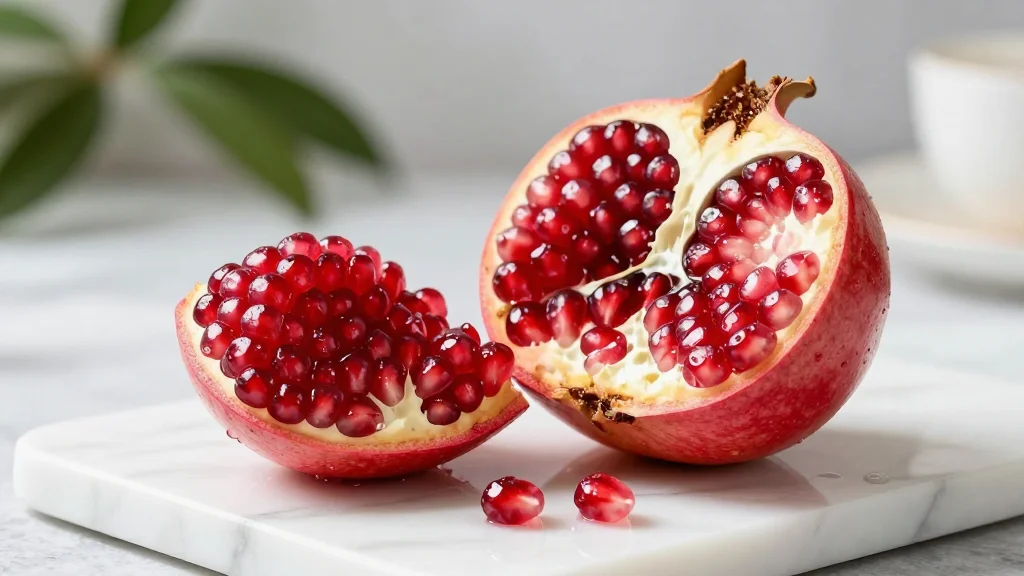
This Antioxidant-Rich Fruit Can Lower Blood Pressure, New Review Shows
Why It Matters
Even a small, food‑based drop in systolic pressure can reduce population‑level heart‑attack and stroke risk, offering a low‑cost, non‑pharmaceutical tool for cardiovascular prevention.
Key Takeaways
- •Pomegranate lowered systolic pressure by 3.5 mmHg in meta‑analysis.
- •Diastolic pressure dropped 1.5 mmHg across 33 randomized trials.
- •Punicalagin acts like an ACE inhibitor, reducing angiotensin II.
- •Benefits observed with juice, extracts, and seed oil; consistency matters.
- •Long‑term effects remain uncertain due to trial heterogeneity.
Pulse Analysis
Pomegranates have surged into the spotlight as a functional food, thanks to their dense polyphenol profile, especially ellagitannins like punicalagin. The latest meta‑analysis aggregates data from 33 trials, providing the most robust evidence to date that regular consumption can modestly lower blood pressure and dampen systemic inflammation. This finding aligns with a broader shift toward evidence‑based nutrition, where specific phytochemicals are evaluated for therapeutic potential alongside traditional drugs.
The mechanistic narrative centers on punicalagin’s ability to inhibit the renin‑angiotensin system, essentially acting as a natural ACE inhibitor. By curbing angiotensin II production, blood vessels relax, leading to measurable drops in systolic and diastolic pressures. Simultaneously, the compound suppresses NF‑κB signaling, lowering IL‑6 and ICAM‑1 levels—key markers linked to atherosclerosis. While the magnitude of change is modest compared with prescription antihypertensives, the advantage lies in its integration into everyday diets without side‑effects, positioning pomegranate as a complementary strategy for heart‑healthy eating.
Practically, consumers can choose from juice, capsules, or seed oil, with doses ranging from 50 mL to 500 mL of juice or 450 mg to 3 g of extract daily. Consistency appears crucial; benefits sharpen after eight weeks of regular intake. However, the review notes considerable heterogeneity among studies, limiting definitive long‑term conclusions. Future research should prioritize standardized dosing and extended follow‑up to confirm cardiovascular outcomes. Meanwhile, dietitians can recommend pomegranate as part of a broader Mediterranean‑style pattern, pairing it with berries, olive oil, and leafy greens to amplify anti‑inflammatory effects.
This Antioxidant-Rich Fruit Can Lower Blood Pressure, New Review Shows
Comments
Want to join the conversation?
Loading comments...