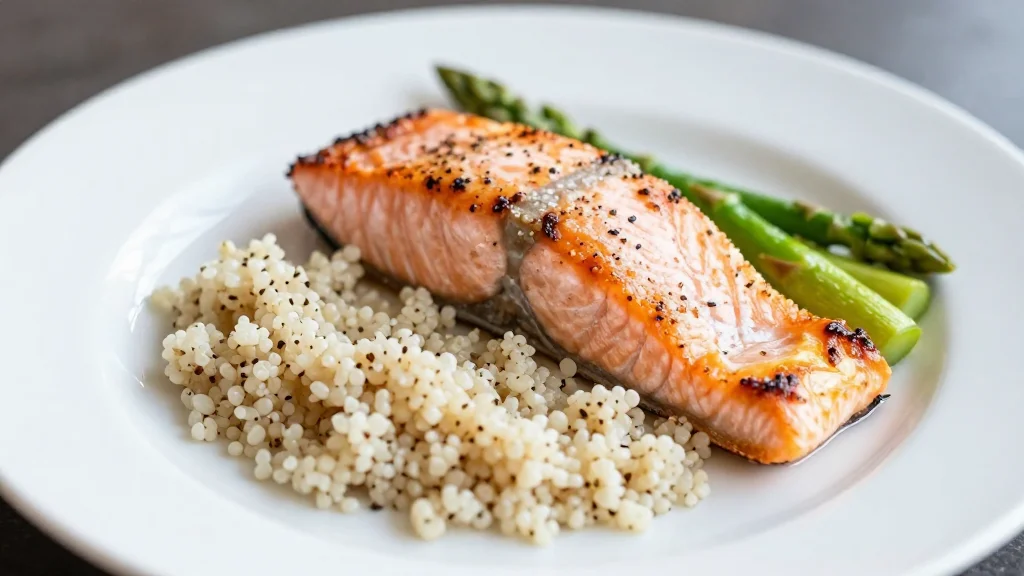
Top Dietitians Crown Salmon‑Quinoa‑Asparagus Dinner as Weight‑Loss Champion

Why It Matters
The endorsement by three credentialed dietitians gives weight to a specific, evidence‑backed dinner formula that can be easily replicated at home, potentially improving diet quality for millions seeking weight loss. By linking nutrient composition to satiety and circadian health, the recommendation bridges clinical nutrition research and everyday meal planning, encouraging consumers to move beyond restrictive calorie‑counting toward balanced, satisfying plates. Moreover, the focus on meal timing adds a behavioral dimension that many weight‑loss programs overlook. If consumers adopt the two‑to‑four‑hour pre‑bedtime window, it could reduce late‑night snacking, a known driver of excess caloric intake. The combined effect may lower obesity rates and lessen the burden on the healthcare system.
Key Takeaways
- •Three RDs—Destini Moody, Sara Riehm, and Dr. Chris Mohr—recommend baked salmon, quinoa, and asparagus as the premier weight‑loss dinner.
- •Salmon provides high‑quality protein and omega‑3s; quinoa offers complete amino acids and fiber; asparagus adds low‑calorie nutrients.
- •Eating dinner 2‑4 hours before sleep aligns with circadian rhythm and may curb weight gain.
- •Limit salmon to two servings per week to manage mercury exposure.
- •Food brands are launching ready‑to‑cook versions of the recommended plate, reflecting market demand.
Pulse Analysis
The convergence of expert opinion on a single dinner recipe signals a rare moment of consensus in a fragmented nutrition market. Historically, diet advice has swung between low‑fat, low‑carb, and intermittent fasting paradigms, leaving consumers confused. By anchoring the recommendation in three measurable pillars—protein, healthy fat, and fiber—the dietitians provide a clear, actionable framework that can be scaled across digital platforms, meal‑kit services, and grocery aisles.
From a competitive standpoint, the endorsement creates an opportunity for brands to differentiate through quality sourcing (wild‑caught salmon, organic quinoa) and convenience (pre‑portioned kits). Companies that can certify the nutritional profile while maintaining affordability will likely capture a sizable share of the growing weight‑loss segment, which the CDC estimates includes over 30% of U.S. adults. Conversely, low‑cost, highly processed alternatives risk being sidelined as consumers become more nutrition‑savvy.
Looking forward, the real test will be adherence. While the recipe is simple, sustained behavior change hinges on habit formation around meal timing and portion control. Integration with wearable tech that tracks sleep and eating windows could reinforce the recommendation, turning a single dinner idea into a broader lifestyle shift. If adoption rates climb, we may see a measurable dip in late‑night caloric intake statistics, providing a data‑driven validation of the dietitians’ advice.
Top Dietitians Crown Salmon‑Quinoa‑Asparagus Dinner as Weight‑Loss Champion
Comments
Want to join the conversation?
Loading comments...