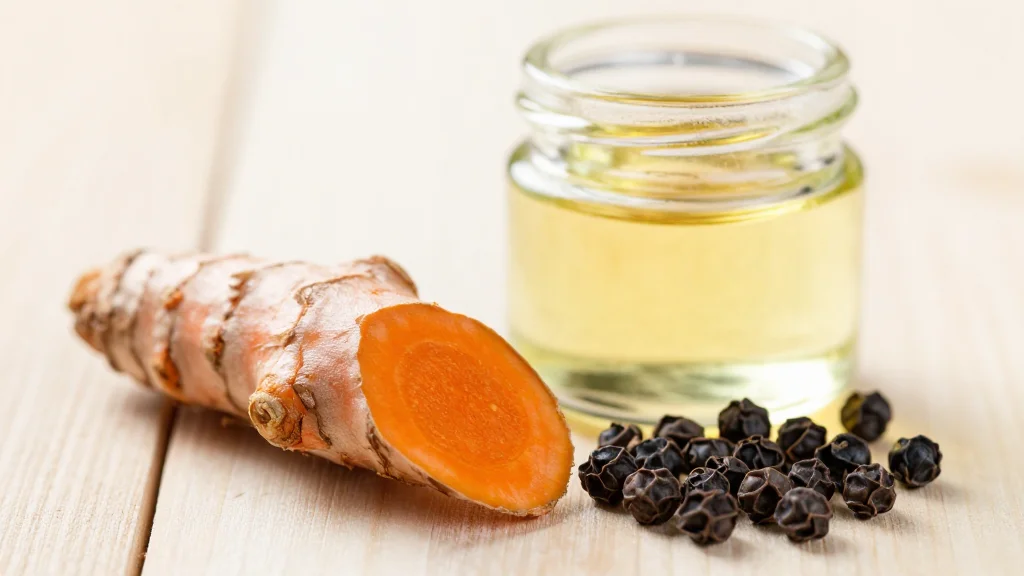
Turmeric Works Better With This For Blood Sugar & Inflammation
Why It Matters
The evidence positions curcumin‑piperine as a viable supplement adjunct for managing chronic inflammation and metabolic risk, a growing concern for aging populations and the healthcare market.
Key Takeaways
- •Curcumin-piperine lowered CRP, hs-CRP, and IL-6 levels
- •Oxidative stress markers improved in 12 of 15 trials
- •Fasting glucose and HbA1c reduced in diabetic participants
- •LDL cholesterol and triglycerides decreased while HDL rose
- •Effective dose: 500‑1500 mg curcumin with 5‑15 mg piperine daily
Pulse Analysis
The latest systematic review of 19 randomized trials sheds new light on a long‑standing nutritional puzzle: how to make turmeric’s active ingredient, curcumin, bioavailable enough to affect human health. Researchers confirmed that pairing curcumin with piperine, the alkaloid that gives black pepper its bite, boosts absorption dramatically, allowing daily doses of 500‑1,500 mg curcumin and 5‑15 mg piperine to reach therapeutic levels. The pooled analysis covered diverse populations—from metabolic‑syndrome patients to those recovering from COVID‑19—providing a broad view of the combination’s potential across inflammatory and metabolic disorders.
Across the trials, curcumin‑piperine consistently lowered key inflammatory biomarkers such as C‑reactive protein, high‑sensitivity CRP, and interleukin‑6, suggesting a dampening of the NF‑κB signaling cascade that drives chronic low‑grade inflammation. Twelve of fifteen studies also reported enhanced antioxidant capacity, including higher total antioxidant activity and reduced malondialdehyde, indicating a break in the inflammation‑oxidative stress feedback loop. Importantly, participants with type 2 diabetes or metabolic syndrome saw meaningful drops in fasting glucose, HbA1c, and insulin resistance, alongside modest improvements in LDL, triglycerides, and HDL levels.
For the nutraceutical industry, these findings validate a formulation strategy that has been marketed for years but lacked rigorous evidence. Consumers seeking an adjunct to diet and exercise now have a clearer dosage window—500‑1,500 mg curcumin with 5‑15 mg piperine per day—while clinicians can advise that excessive doses may stress liver function. Nonetheless, the review’s authors caution that most studies lasted only up to three months; longer‑term, larger‑scale trials are needed to confirm whether biomarker shifts translate into reduced cardiovascular events or diabetes progression.
Turmeric Works Better With This For Blood Sugar & Inflammation
Comments
Want to join the conversation?
Loading comments...