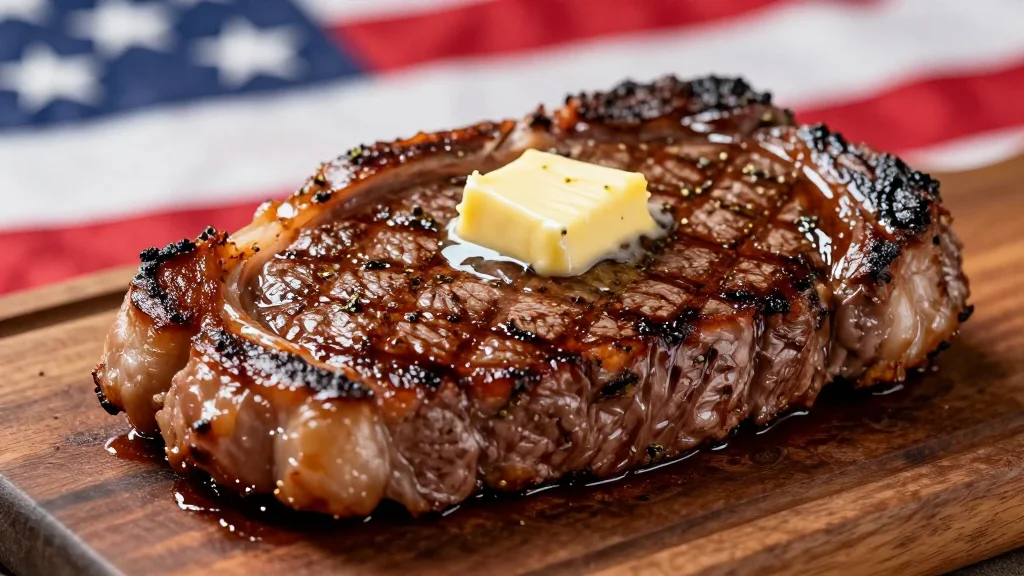
U.S. Beef Consumption Rises as New Dietary Guidelines Spark Health Debate

Why It Matters
The USDA’s re‑elevation of red meat reshapes the nutritional landscape, potentially affecting millions of Americans’ eating habits and health outcomes. If higher beef intake leads to increased rates of heart disease or cancer, the public‑health cost could be substantial, counteracting gains made by previous low‑red‑meat campaigns. Conversely, the policy could boost domestic beef demand, supporting farmers and rural economies while also raising questions about sustainability and greenhouse‑gas emissions. The clash also highlights a broader tension between scientific evidence, political influence, and consumer culture. How regulators integrate emerging dietary trends with long‑standing health data will set precedents for future food‑policy decisions, from plant‑based alternatives to climate‑friendly nutrition guidelines.
Key Takeaways
- •USDA’s new dietary guidelines place red meat at the top of the food pyramid.
- •Sara Bleich, Harvard professor, calls the visual cue "very confusing for consumers."
- •American Heart Association continues to recommend limiting red meat.
- •Robert F. Kennedy Jr. promotes beef tallow in a high‑profile social‑media video.
- •Beef’s climate impact remains a major concern despite rising popularity.
Pulse Analysis
The USDA’s pivot reflects a political recalibration that aligns with powerful agricultural lobbies and a growing consumer appetite for protein‑centric diets. Historically, the agency’s guidance has swung between encouraging meat reduction in the 1990s and embracing balanced protein intake in the early 2000s. This latest shift may be less about new science and more about responding to market pressures and cultural narratives that glorify “real food" and ancestral eating patterns.
From a market perspective, beef producers are likely to capitalize on the policy change, expanding promotional campaigns and investing in product lines that claim health benefits, such as grass‑fed or omega‑3 enriched beef. However, the AHA’s steadfast recommendation to limit red meat creates a dual‑track environment where consumers receive conflicting signals. This could fragment the market, giving an edge to companies that can credibly bridge health and sustainability claims.
Looking forward, the real test will be whether the USDA adjusts its guidance in response to emerging epidemiological data. If longitudinal studies show a rise in cardiovascular incidents linked to higher beef consumption, policymakers may be forced to re‑introduce stricter limits, echoing the swing back to plant‑based emphasis seen in the 2010s. For now, the debate underscores the need for clearer, evidence‑based communication that helps consumers make informed choices without succumbing to hype or oversimplified messaging.
U.S. Beef Consumption Rises as New Dietary Guidelines Spark Health Debate
Comments
Want to join the conversation?
Loading comments...