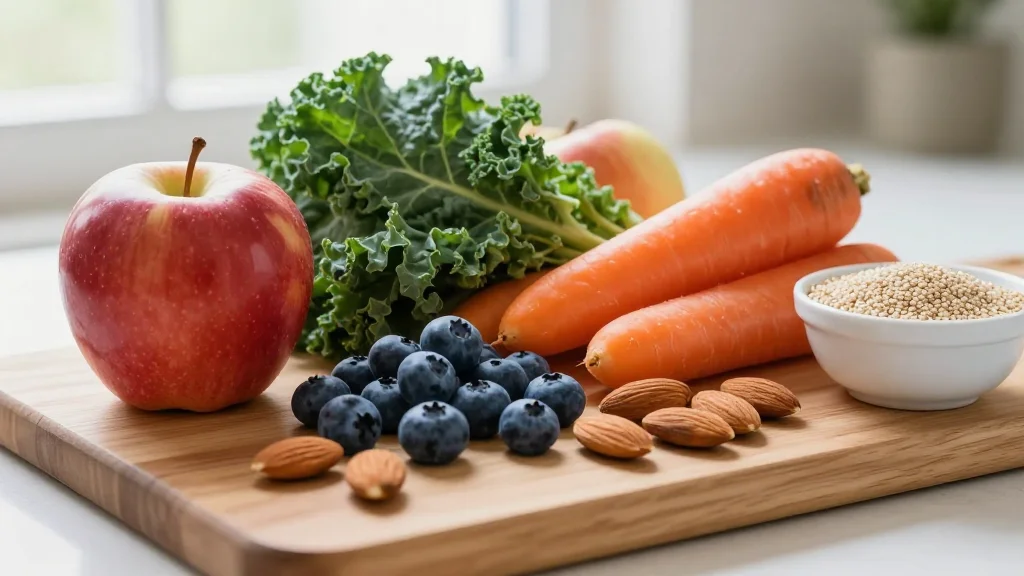
U.S. Unveils 2025‑2030 Dietary Guidelines Emphasizing Whole Foods

Why It Matters
The updated Dietary Guidelines signal a fundamental reorientation of U.S. nutrition policy from a focus on calorie counting to food quality, directly addressing the root drivers of the nation’s obesity and chronic disease epidemics. By embedding scientific consensus on whole, minimally processed foods into federal programs such as school meals and SNAP, the guidance has the potential to reshape consumer behavior at scale, influence agricultural production priorities, and stimulate product innovation across the food industry. Moreover, the guidelines provide a common reference point for healthcare providers, insurers and public‑health officials, enabling more consistent messaging and coordinated interventions. If the quality‑first approach succeeds in lowering disease prevalence, it could reduce healthcare expenditures, improve workforce productivity, and set a precedent for other countries grappling with similar nutrition challenges.
Key Takeaways
- •January 2026: HHS and USDA release Dietary Guidelines for Americans 2025‑2030.
- •Guidelines prioritize whole, minimally processed foods over calorie‑counting metrics.
- •Obesity rates above 42 % and diabetes over 12 % cited as drivers for the change.
- •School meals, SNAP and food‑industry labeling expected to align with new standards.
- •Five‑year rollout with progress reports in 2028 and a full evaluation in 2030.
Pulse Analysis
The 2025‑2030 Dietary Guidelines mark the most ambitious shift in U.S. nutrition policy since the 1990s, when the first food‑based recommendations were introduced. By moving the conversation from "how much" to "what" people eat, the agencies are aligning federal guidance with a growing body of evidence that the degree of food processing is a stronger predictor of metabolic risk than macronutrient composition alone. This alignment could accelerate the already evident consumer trend toward clean‑label products, giving early adopters a competitive edge while pressuring laggards to reformulate.
Historically, federal nutrition guidance has struggled to keep pace with market dynamics; the 2020‑2025 guidelines were criticized for being overly prescriptive about percentages of fats, proteins and carbohydrates, which many nutritionists argued oversimplified the complexity of diet quality. The new guidelines, by contrast, embed a tiered food classification system that mirrors the NOVA framework used by researchers worldwide. If the U.S. adopts this framework at scale, it could create a de‑facto global standard, influencing trade policies and import regulations for processed foods.
However, the rollout faces practical hurdles. Supply chain constraints could limit the availability of fresh produce in food‑desert areas, and price differentials may widen unless SNAP incentives are calibrated effectively. The guidelines’ success will hinge on coordinated federal investment in agricultural diversification, nutrition education, and price subsidies. In the short term, we can expect a surge in marketing campaigns from both public‑health agencies and private brands touting "real food" credentials, while nutrition professionals will need to translate the technical language into actionable counseling tools. The next five years will be a litmus test for whether a quality‑first approach can reverse entrenched dietary patterns and deliver measurable health gains.
U.S. Unveils 2025‑2030 Dietary Guidelines Emphasizing Whole Foods
Comments
Want to join the conversation?
Loading comments...