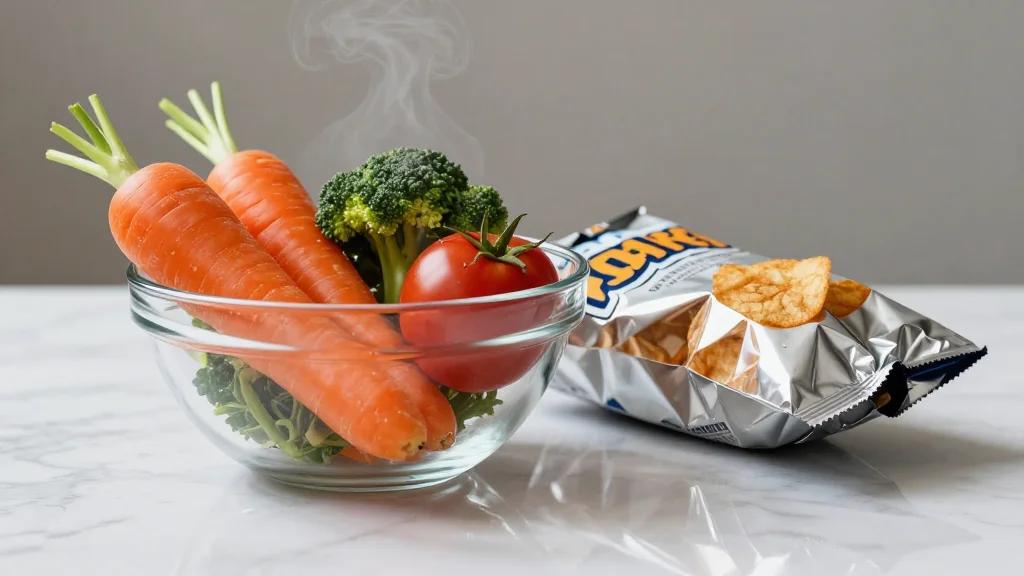
USDA Releases 2025‑2030 Dietary Guidelines Focused on Food Packaging, Ultra‑Processed Foods

Why It Matters
By foregrounding food‑packaging chemicals, the USDA is redefining the parameters of nutritional risk, moving beyond calories and nutrients to include environmental and chemical exposures. This broadened scope could reshape consumer behavior, prompting demand for safer packaging and influencing product development across the food sector. The emphasis on ultra‑processed foods aligns with a growing body of epidemiological research linking such diets to obesity, diabetes, and cardiovascular disease. If the guidelines translate into stricter federal procurement standards, schools and government‑fed programs may become early adopters of healthier, less processed options, potentially improving public‑health outcomes for vulnerable populations.
Key Takeaways
- •USDA and HHS released the 2025‑2030 Dietary Guidelines on Jan. 7, 2026.
- •Guidelines introduce a focus on food‑packaging chemicals and ultra‑processed foods.
- •Secretaries Brooke Rollins and Robert F. Kennedy Jr. called the update the most significant reset of federal nutrition policy.
- •The accompanying Scientific Foundation addendum drops sustainability language and revisits GRAS classifications.
- •Implementation will affect federal nutrition programs, school meals, and SNAP reimbursements over the next five years.
Pulse Analysis
The USDA’s pivot toward packaging chemicals marks a strategic expansion of nutrition policy into the realm of environmental health, echoing a global trend where regulators are increasingly wary of endocrine‑disrupting compounds. Historically, U.S. dietary guidance has centered on macronutrients and food groups; this new emphasis could catalyze a wave of product reformulation as manufacturers scramble to meet an evolving definition of “healthy.”
From a market perspective, the guidelines may accelerate investment in alternative packaging technologies—such as biodegradable films, glass, and metal—that claim lower chemical migration. Companies already positioned in these niches stand to gain early‑mover advantage, while legacy producers of plastic packaging could face heightened R&D costs and potential loss of market share. Moreover, the removal of sustainability language suggests a political calculus that prioritizes consumer safety over environmental considerations, potentially limiting the scope of future eco‑centric regulations.
Looking ahead, the real test will be how the guidelines translate into actionable standards. If federal agencies adopt the recommendations into binding procurement rules, we could see a de‑facto regulatory regime that forces industry compliance without formal legislation. Conversely, if the scientific evidence remains contested, the guidance may become a political flashpoint, with industry groups lobbying for clearer definitions and less prescriptive language. Either way, the 2025‑2030 Dietary Guidelines have set a new agenda that intertwines nutrition, chemistry, and policy, reshaping the conversation about what truly constitutes a healthy diet in the United States.
USDA Releases 2025‑2030 Dietary Guidelines Focused on Food Packaging, Ultra‑Processed Foods
Comments
Want to join the conversation?
Loading comments...