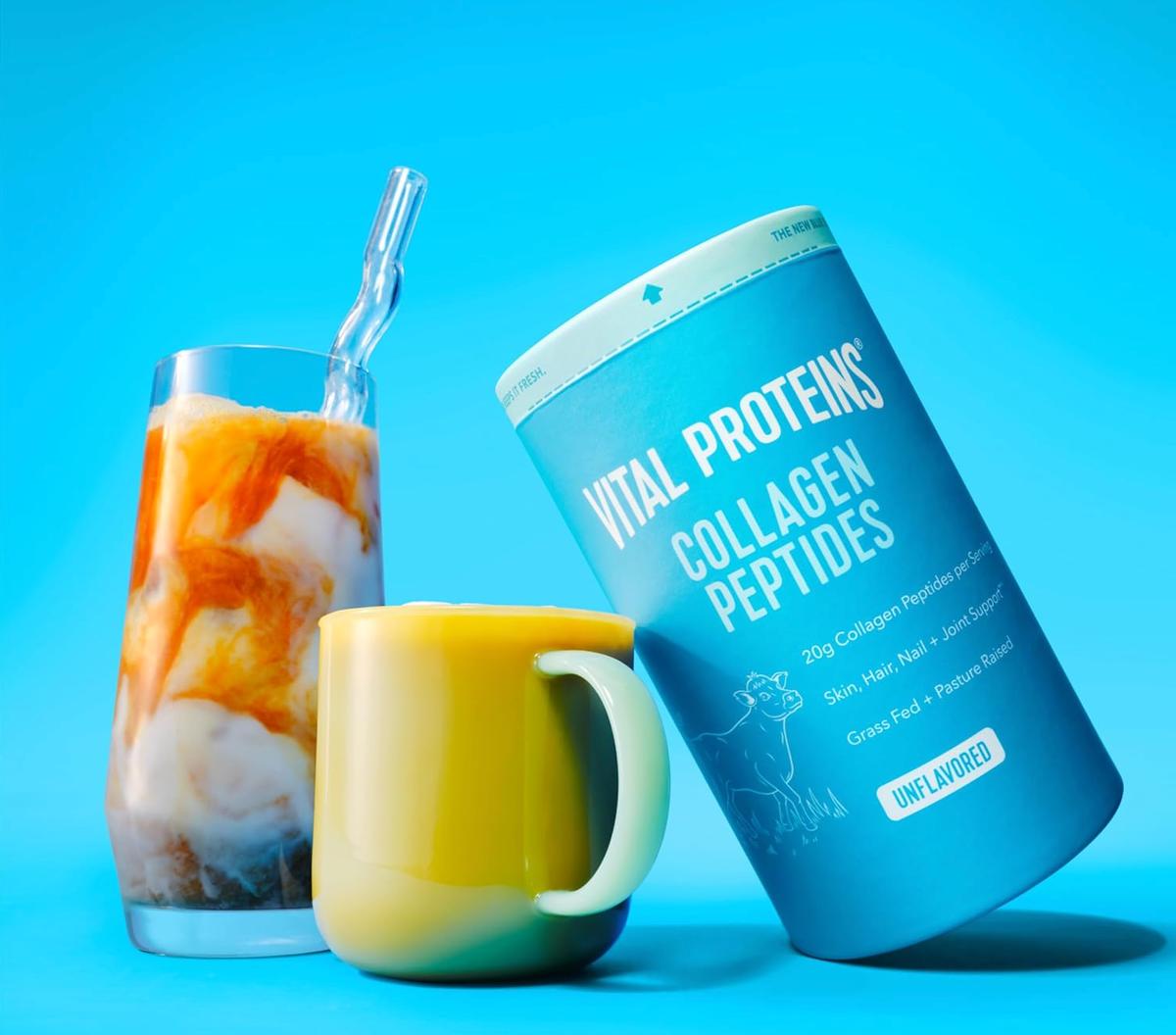
Want to Feel Fuller Longer? Start With These 6 Protein Powders
Why It Matters
Protein powders that deliver high‑quality protein can curb cravings and preserve lean mass, making them a valuable tool for the growing market of diet‑focused consumers. Their effectiveness hinges on formulation quality and verified labeling, influencing both health outcomes and brand trust.
Key Takeaways
- •Optimum Nutrition Gold Standard whey leads overall weight‑loss powder rankings.
- •Plant‑based Ritual protein offers complete amino acids with added fiber.
- •Third‑party certifications (NSF, Informed Choice) ensure purity and safety.
- •20‑30 g protein per serving supports muscle maintenance and fullness.
- •Daily protein target 1.2‑1.6 g/kg aids appetite control during dieting.
Pulse Analysis
The surge in protein‑supplement sales reflects a broader consumer shift toward functional nutrition that supports weight management. As calorie‑controlled diets become mainstream, shoppers seek convenient ways to boost satiety without adding excess carbs or fats. Protein powders, especially those with transparent labeling and third‑party verification, meet this demand by offering a predictable nutrient profile that can be integrated into meals, smoothies, or coffee. Brands that prioritize low‑sugar formulations and clear dosage guidance are better positioned to capture health‑conscious buyers who value both efficacy and safety.
Understanding the nuances between protein sources is crucial for optimizing weight‑loss outcomes. Whey protein, rich in branched‑chain amino acids, promotes rapid muscle protein synthesis and can improve body‑composition when paired with resistance training. Casein’s slower digestion extends amino‑acid delivery, enhancing overnight fullness. Plant‑based blends, such as pea‑rice mixes, now achieve complete amino‑acid profiles and add dietary fiber, which further delays gastric emptying. Collagen, while not a complete protein, contributes specific peptides that may support lean‑mass retention and joint health, making it a complementary addition rather than a sole source.
For consumers, the practical takeaway is to select a powder that delivers at least 20 g of high‑quality protein per serving, aligns with dietary preferences, and carries reputable certifications like NSF or Informed Choice. Integrating one to two servings daily—preferably around workouts or as meal replacements—helps meet the recommended 1.2‑1.6 g/kg protein intake for weight loss. As the market evolves, expect more hybrid formulas that combine protein with functional ingredients such as probiotics, adaptogens, and micronutrients, further blurring the line between supplement and complete nutrition solution.
Want to Feel Fuller Longer? Start With These 6 Protein Powders
Comments
Want to join the conversation?
Loading comments...