What Should My Macros Be? Your Nutrition Questions Answered
Why It Matters
Accurate macro planning helps athletes and everyday consumers optimize performance, weight goals, and overall health, driving demand for nutrition‑tech solutions and personalized diet services.
Key Takeaways
- •USDA advises 45‑65% carbs, 10‑35% protein, 10‑35% fat
- •1,600‑calorie diet equals 160 g carbs, 120 g protein, 53 g fat
- •Strength training raises protein needs; cardio raises carb needs
- •IIFYM calculators personalize macro goals from basic stats
- •Obsessive tracking can trigger disordered eating patterns
Pulse Analysis
Macronutrient tracking has moved from niche bodybuilding circles into mainstream health apps, fueled by the rise of IIFYM (If It Fits Your Macros) calculators. These tools ingest age, weight, activity level, and goals to output a personalized split, making the science of nutrition more accessible to busy professionals and casual exercisers alike. By translating calorie percentages into gram targets, users can align their meals with performance objectives, whether that means preserving glycogen for long runs or boosting protein for muscle repair.
Scientific consensus supports the macro ranges highlighted by the U.S. Department of Health and Human Services. Carbohydrates remain the primary fuel for high‑intensity cardio, while protein is critical for muscle protein synthesis after resistance training. However, the quality of each macro matters: complex carbs, lean proteins, and unsaturated fats deliver micronutrients and satiety that refined options lack. Nutritionists stress that macro counting should complement, not replace, whole‑food principles, ensuring athletes reap both energy and nutrient density.
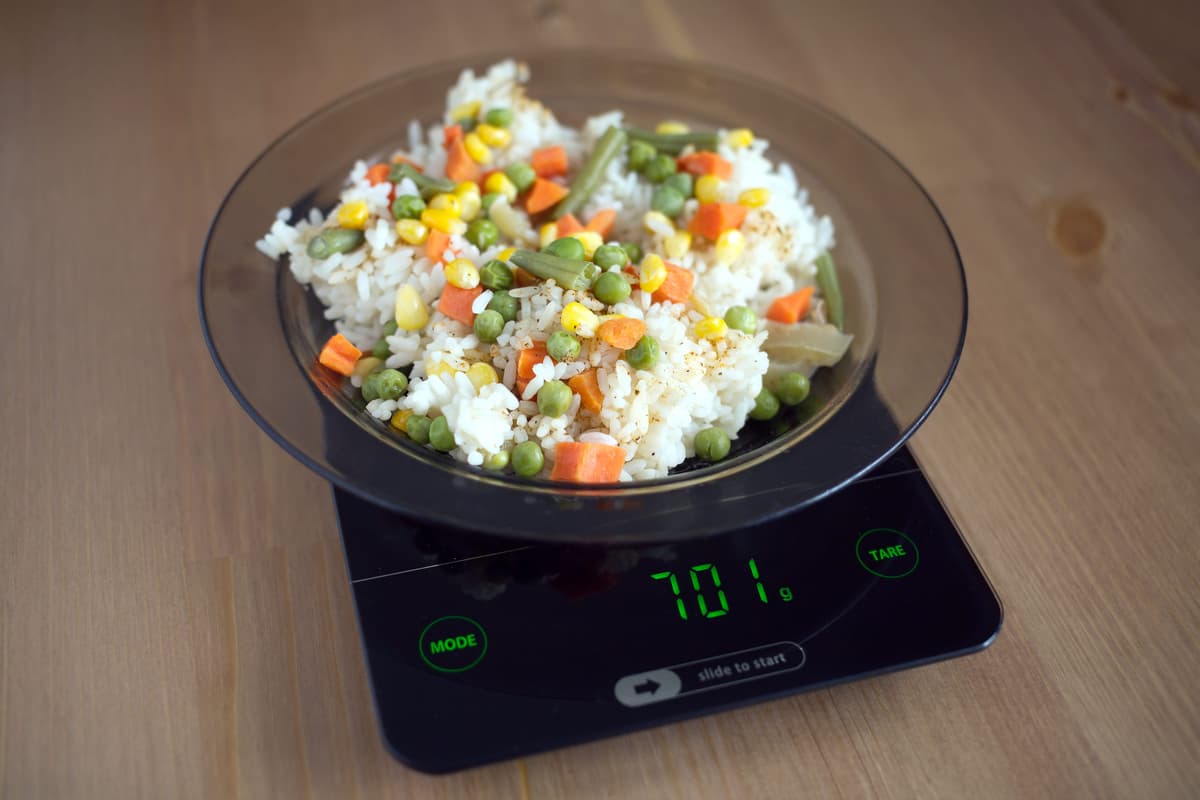
Despite its benefits, macro tracking can become a double‑edged sword. The meticulous weighing of foods and constant number‑crunching may exacerbate anxiety or trigger disordered eating patterns in vulnerable individuals. For this reason, many diet platforms now offer flexible plans that prioritize food quality and intuitive portion guidance over strict gram counts. The industry’s challenge is to balance personalization with mental‑wellness safeguards, a niche that presents growth opportunities for coaches, app developers, and wellness brands seeking to deliver sustainable, evidence‑based nutrition solutions.
What Should My Macros Be? Your Nutrition Questions Answered
Comments
Want to join the conversation?
Loading comments...