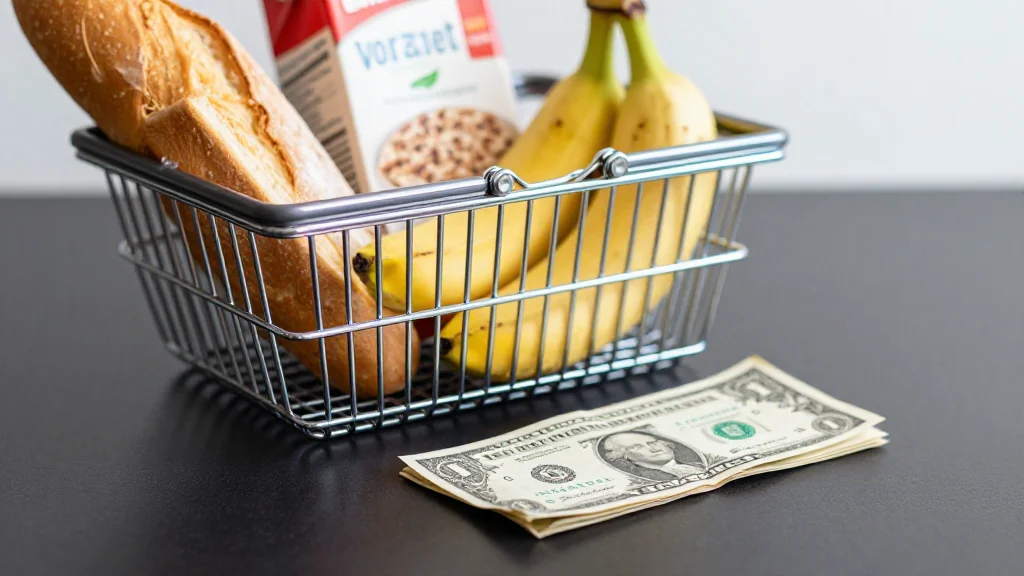
U.S. Dollar's 10% Slide Fuels Higher Everyday Costs for Americans

Why It Matters
A sustained depreciation of the U.S. dollar directly affects personal finance by raising the cost of imported goods, which constitute a sizable share of household spending. Higher import prices can push the overall inflation rate upward, prompting the Federal Reserve to consider tighter monetary policy that could raise borrowing costs for mortgages, auto loans and credit cards. For savers and investors, a weaker dollar also erodes the purchasing power of cash holdings and may shift portfolio allocations toward assets that perform better in a low‑dollar environment. Moreover, the uneven impact—benefiting exporters while hurting import‑dependent consumers—creates a split in economic sentiment. Regions and industries that rely heavily on foreign inputs may experience tighter margins and slower hiring, whereas export‑driven sectors could see a boost in sales and profits. Understanding these dynamics is essential for individuals making budgeting, saving and investment decisions in an environment where currency movements are increasingly tied to everyday costs.
Key Takeaways
- •U.S. dollar down ~10% vs. major currencies since early 2025.
- •Economist Thomas Savidge calls the effect a "hidden tax" on consumers.
- •Exporters like InterContinental Hotels see revenue tailwinds, while import‑reliant firms face higher costs.
- •President Trump publicly favors a weaker dollar, citing profit benefits.
- •Higher import prices could lift inflation, influencing Fed policy and consumer borrowing costs.
Pulse Analysis
The dollar’s recent slide is more than a macro‑economic footnote; it is reshaping the personal finance landscape. Historically, a strong greenback has acted as a buffer against imported inflation, allowing households to enjoy relatively stable prices for foreign‑made goods. The current 10% depreciation reverses that dynamic, injecting a cost pressure that is likely to be felt across the consumer price index. For the average American, this translates into higher grocery bills, pricier travel, and potentially steeper interest rates if the Fed reacts to inflationary signals.
From a competitive standpoint, the currency shift creates a bifurcated market. Export‑oriented firms such as Coca‑Cola and Philip Morris have already highlighted "favorable currency impact" in earnings calls, suggesting they can leverage lower dollar valuations to expand overseas sales and improve margins. Conversely, small and medium‑sized enterprises that depend on imported inputs lack the hedging sophistication of larger conglomerates, leaving them vulnerable to cost spikes. This disparity may accelerate consolidation in sectors where scale provides a hedge against currency volatility.
Looking forward, the dollar’s trajectory will be a key variable for personal finance strategists. If the decline continues, consumers may need to adjust budgets, prioritize domestic alternatives, or seek higher‑yield investments that compensate for reduced purchasing power. Policymakers, meanwhile, face a delicate balance: supporting export competitiveness without sacrificing domestic affordability. The next few quarters will reveal whether the dollar’s weakness is a temporary blip or the start of a longer‑term trend that redefines the cost of living for millions of Americans.
U.S. Dollar's 10% Slide Fuels Higher Everyday Costs for Americans
Comments
Want to join the conversation?
Loading comments...