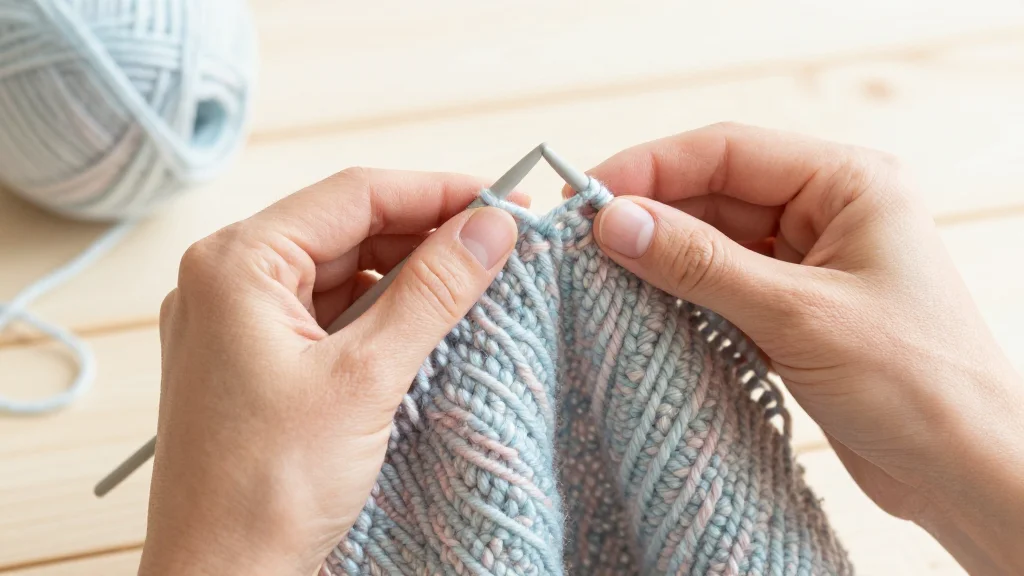
Simple Hobbies Linked to Lower Dementia Risk in New Study

Why It Matters
The study reframes personal growth from a purely aspirational pursuit to a concrete health strategy. By linking everyday leisure to reduced dementia risk, it empowers individuals to take proactive steps toward long‑term brain health without requiring specialized training or costly therapies. For policymakers, the research offers a low‑cost, scalable lever to address the looming dementia epidemic, potentially easing future healthcare expenditures and caregiver burdens. Moreover, the emphasis on "cognitive reserve" underscores the interconnectedness of mental, social, and emotional well‑being. As societies grapple with aging populations, integrating hobby‑centric programs into public health agendas could foster more resilient communities, improve quality of life for older adults, and shift cultural narratives around aging from decline to active engagement.
Key Takeaways
- •Study links regular simple hobbies to lower dementia risk
- •Lancet Commission identifies up to 40% of dementia cases as lifestyle‑related
- •Cognitive reserve built through mentally stimulating leisure activities
- •Benefits observed across life stages, emphasizing cumulative effect
- •Potential for community‑based hobby programs to aid public‑health goals
Pulse Analysis
The emerging evidence that modest, everyday hobbies can act as a buffer against dementia marks a subtle yet powerful shift in how personal growth is positioned within health discourse. Historically, cognitive health interventions have focused on clinical therapies, pharmaceuticals, or high‑intensity exercise regimes. This study, however, democratizes brain‑health maintenance by highlighting low‑cost, accessible activities that fit seamlessly into daily life. The implication is twofold: individuals gain agency over their long‑term cognitive trajectory, and public‑health systems acquire a cost‑effective tool to mitigate rising dementia prevalence.
From a market perspective, the findings could stimulate growth in sectors that facilitate hobby engagement—craft supply retailers, community‑center programming, and digital platforms offering guided leisure activities. Companies that can bundle educational content with social interaction may find a new niche in preventive health. At the same time, insurers might begin to incorporate hobby participation metrics into wellness incentives, mirroring existing models that reward physical activity.
Looking forward, the key challenge will be translating correlation into causation. While the current analysis establishes a robust association, randomized controlled trials are needed to isolate the specific mechanisms—whether the mental stimulation, the social component, or the routine itself drives the protective effect. Should future research confirm a causal link, we could see a paradigm shift where personal growth strategies are formally embedded in clinical guidelines for dementia prevention, reshaping both individual habits and institutional policies.
Simple Hobbies Linked to Lower Dementia Risk in New Study
Comments
Want to join the conversation?
Loading comments...