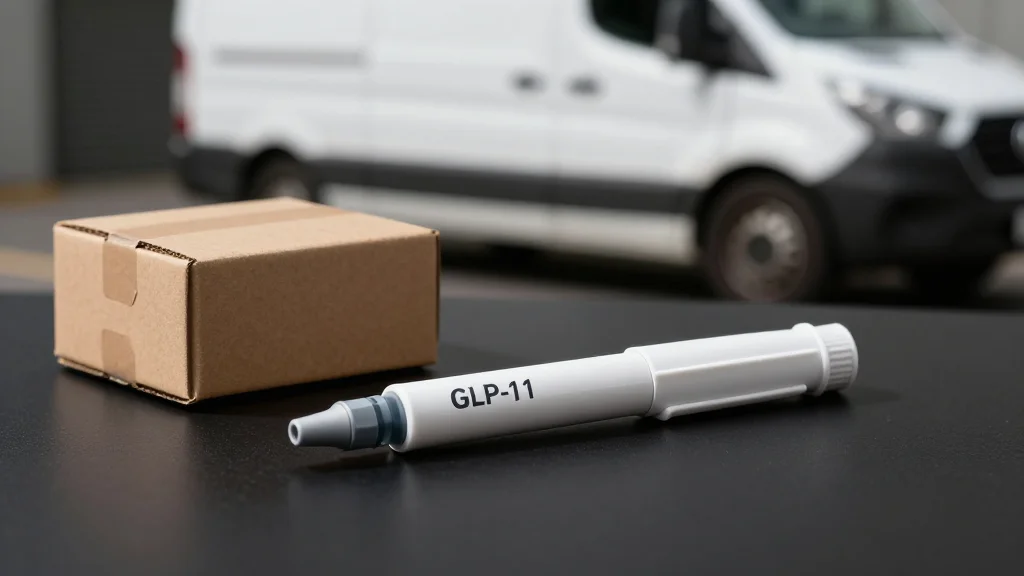
Amazon Launches GLP‑1 Weight‑Loss Program, Targeting $100 B Market

Companies Mentioned
Why It Matters
The launch signals a convergence of technology and pharma that could reshape how weight‑loss drugs are prescribed and delivered. By leveraging its logistics and digital health platforms, Amazon may lower friction for patients, potentially expanding the overall addressable market for GLP‑1 therapies. At the same time, the move challenges traditional pharmaceutical distribution models, prompting incumbents to rethink patient engagement strategies. If Amazon can demonstrate a seamless, cost‑effective pathway to GLP‑1 treatment, it could set a new standard for chronic‑condition management, encouraging other tech firms to enter therapeutic niches previously dominated by drugmakers. This could accelerate competition, drive down prices, and increase access for millions of patients struggling with obesity.
Key Takeaways
- •Amazon One Medical introduces a GLP‑1 weight‑loss program offering injectable and oral drugs like Foundayo and oral Wegovy.
- •Program promises same‑day delivery in nearly 3,000 U.S. cities and 24/7 prescription renewals.
- •GLP‑1 market projected to approach $100 billion by 2030, led by Eli Lilly and Novo Nordisk.
- •Amazon’s health ecosystem combines virtual visits, pharmacy ordering, and logistics to streamline care.
- •AWS generates $142 billion annual revenue; the GLP‑1 service is a modest, strategic diversification.
Pulse Analysis
Amazon’s foray into GLP‑1 weight‑loss therapy reflects a broader trend of tech firms leveraging data, logistics and consumer trust to capture high‑margin healthcare niches. The company’s advantage lies in its ability to bundle prescription fulfillment with a seamless digital experience, a capability that traditional pharma companies lack. While Eli Lilly and Novo Nordisk command clinical expertise and brand equity, they depend on third‑party specialty pharmacies and fragmented care pathways that can frustrate patients.
Historically, pharma has guarded distribution channels tightly, but the rise of specialty drugs with complex administration requirements has opened cracks. Amazon’s model—integrating screening, prescribing, and rapid delivery—could pressure incumbents to develop similar end‑to‑end solutions or partner with tech platforms. The competitive response may include tighter rebate contracts, expanded telehealth services, or strategic acquisitions of logistics firms.
Looking ahead, the key determinants of Amazon’s success will be its ability to navigate FDA regulations, secure favorable formulary placements, and protect patient data. If it can achieve scale without compromising compliance, the company could capture a meaningful share of the $100 billion market, setting a precedent for tech‑driven therapeutic services. Conversely, missteps in supply chain reliability or privacy could invite regulatory scrutiny and erode consumer confidence, limiting the upside. The next six months will be critical as Amazon reports enrollment figures and insurers decide whether to reimburse its GLP‑1 program.
Amazon Launches GLP‑1 Weight‑Loss Program, Targeting $100 B Market
Comments
Want to join the conversation?
Loading comments...